What Animals Eat Buffalo Grass? A Complete Guide to Prairie Grazers
Introduction to the Prairie’s Most Resilient Plant
If you have ever looked across the endless stretches of the North American plains, you have probably seen a sea of low-growing, hardy plants. In the center of this renowned scenery is an amazing plant that supports innumerable species. You might be asking yourself, what animals consume buffalo grass in the wild? This hearty, drought-tolerant plant is the backbone of the prairie food web. So let’s dig into the exciting world of grassland ecosystems and the species that occupy them.
Buffalo grass is much more than a ground cover of the plains. It is a crucial source of food and has influenced the evolution of many famous animal species. It gives life-sustaining energy to the largest grazing mammals and the smallest burrowing rodents. In this comprehensive guide we will examine which creatures rely on this grass to thrive. We will also learn why this plant is so amazingly nourishing.
What Is Buffalo Grass, Anyway?
But before we see the critters we have to look at the plant itself. Buffalo grass (Bouteloua dactyloides) is a native of the Great Plains. It is a perennial warm season grass. It is usually low-growing, seldom more than a few inches in height. Despite its small size, it has a huge deep root system which allows it to endure severe droughts. Its hardiness makes it a reliable food supply even when other plants die off.
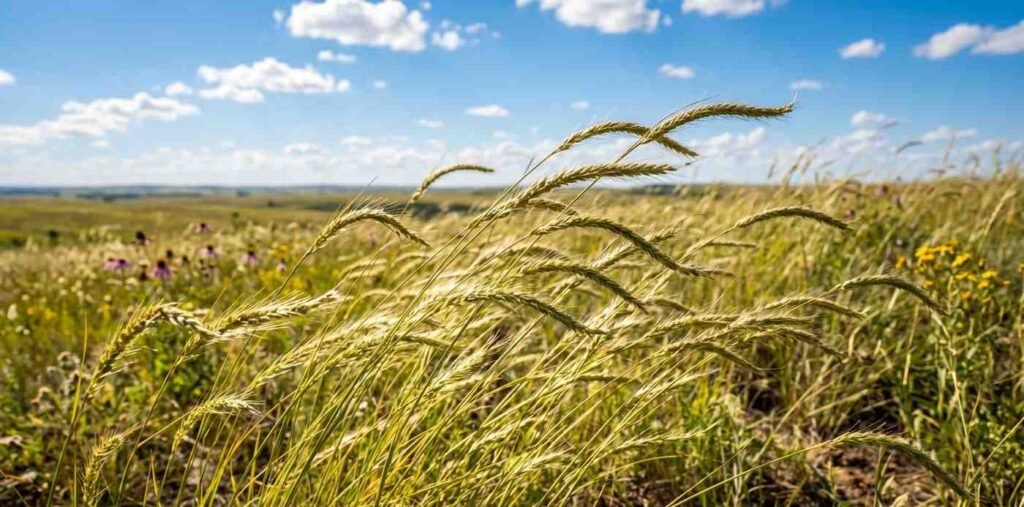
This grass spreads by surface runners and produces a dense and tough sod. In the summer it grows well and gives a lot of lush green feed in the heat. It goes dormant in winter and transforms to a lovely straw colour. Even in its dried, dormant state, it still has a huge percentage of its nutritional content, surprisingly. This is precisely why so many creatures depend on it all year round.
The Heavyweights: Large Wild Herbivores
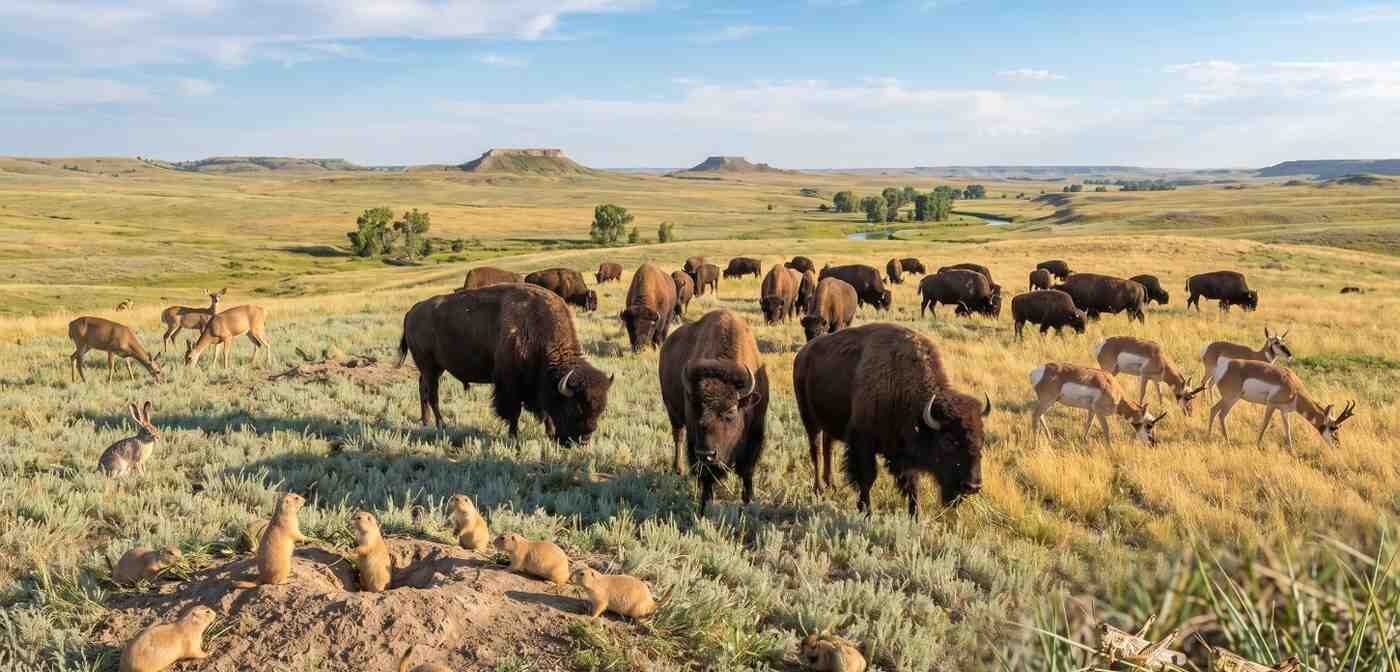
What eats buffalo grass? An apparent answer to what eats buffalo grass is in the name. The American bison (or buffalo) most typically eats the plant. Across the plains giant herds of bison fed intensely on this particular grass for thousands of years. They possess digestive systems that are specially specialized to break down tough, fibrous leaves. In fact the link between the bison and this grass is wholly symbiotic.
Bison not only eat the grass, they really help it to thrive. They graze their pointed hooves and aerate the rough prairie soil. Their excrement is a natural nutrition rich fertilizer directly to the root systems. Furthermore, their grazing habits prevent higher, invasive weeds from shadowing off the low-growing buffalo grass. The grassland environment today would be vastly different without the historical presence of the American bison.
Domestic Livestock: Cattle, Horses, and Sheep
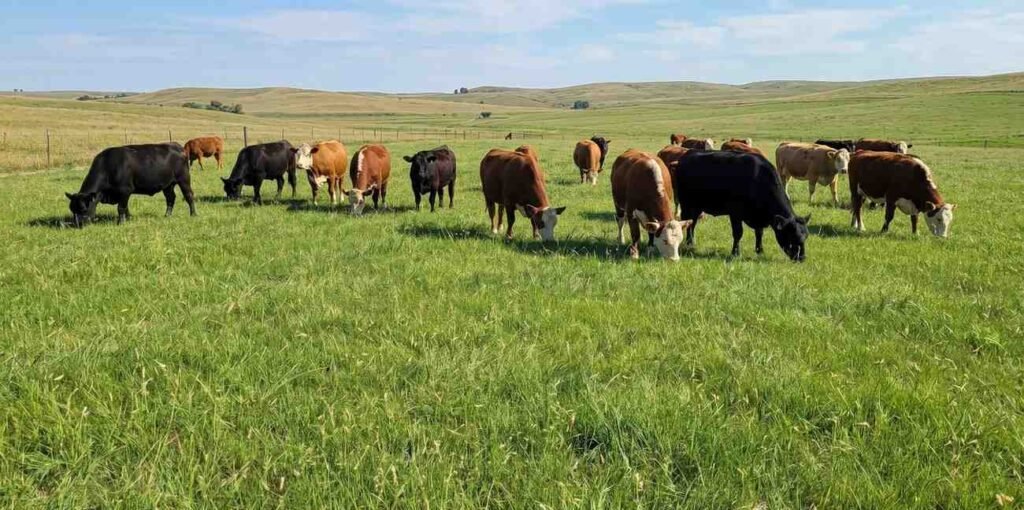
Today, the open range is populated mostly by domestic livestock rather than wild bison. Buffalo grass has great significance to the modern rancher for its exceptional grazing value. This plant is one of the most important forages for beef cattle. It is very digestible and high in protein therefore it helps cattle to gain healthy weight. It is very useful in desert areas where other forage crops do not grow.
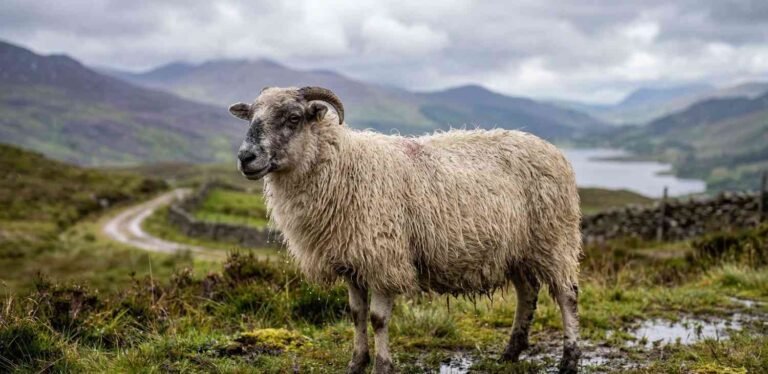
Horses are also avid consumers of this native grass species. Horses can be picky eaters, but they seem to prefer the sweet, soft blades of buffalo grass. It is a slow release energy source that is easy on their digestive tracts and is a constant source of energy. Sheep and goats will also happily graze on these pastures. The ability to sustain pastures of this native grass is a huge economic benefit for the modern farmers for sustainable agriculture.
Wild Grazers: Deer, Elk, and Antelope
Besides the big guys, there are other medium sized wild herbivores actively foraging for this grass. The pronghorn antelope, a symbol of the American West, depends on grassland vegetation for its survival. They prefer broadleaf weeds and shrubs but they will eat buffalo grass happily and prefer it in the springtime. The early growing season’s fresh green shoots are loaded with important vitamins and moisture. This allows the pronghorn to recuperate from the hard, frigid winters.
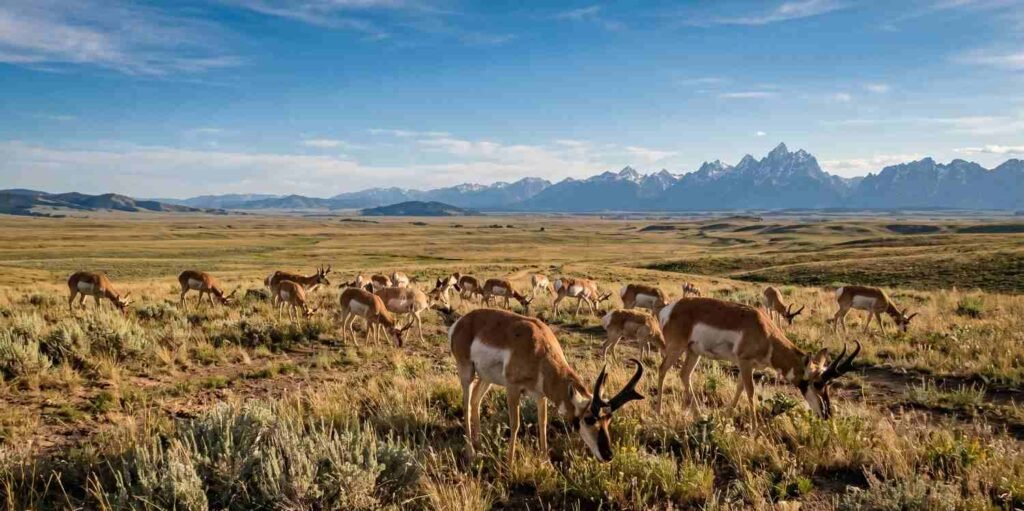
White tailed deer and mule deer are known to feed on these grasslands as well. Deer are usually browsers, meaning they prefer to consume leaves from trees and bushes. But trees are exceedingly rare in wide-open grassland settings. Thus, deer adapt to their environment by eating the local grasses available. Dormant buffalo grass is an important survival meal when winter snows drive them off the slopes.
Elk will also sometimes come down from the foothills to eat prairie grass. A hungry herd of elk won’t pass up a healthy meadow of buffalo grass, even though they prefer taller species of grass. They have giant stomachs that can accommodate huge amounts of the dry feed to keep them warm. Ultimately, this grass is a dependable ecological safety net for the deer and antelope families.
Small Mammals: The Unsung Heroes of the Prairie
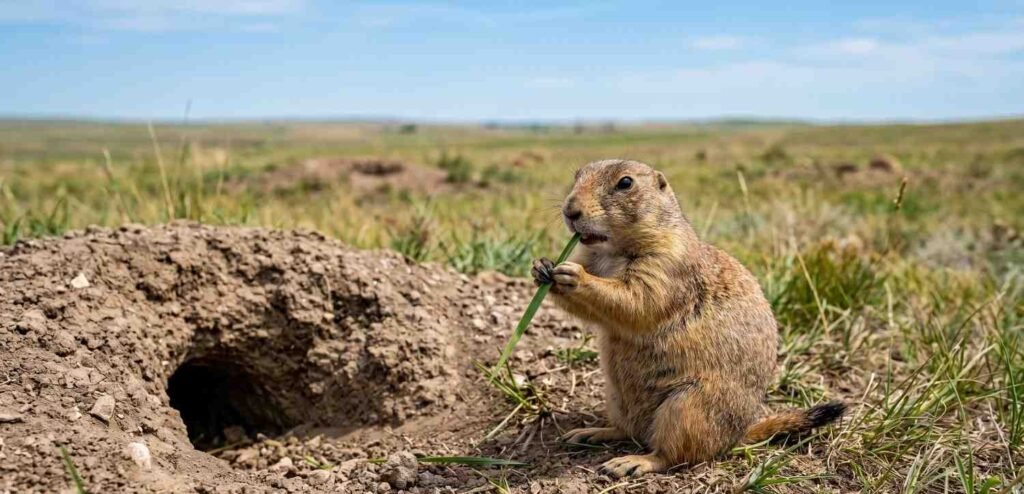
We commonly connect grazing with giant, hooved animals, yet small mammals are incredibly essential consumers. Prairie dogs are the most famous tiny dwellers of the grasslands. These extremely social rodents construct huge underground “towns” that stretch for miles. They also clean the high plants surrounding their burrows and keep a sharp eye out for predators. The low-growing buffalo grass is ideal for their habitat and forms a major part of their daily diet.
Jackrabbits and cottontail rabbits also eat this tough shrub. Rabbits need a lot of fiber in their food to keep their digestive tracts working correctly. Luckily, the rough blades of this natural grass give just the roughage they need. Also, the grass grows thick and mat-like, providing good camouflage from hawks and eagles flying overhead. It serves as a feeding room and hiding place for these vulnerable prey species.
Other small rodents, such as pocket gophers and meadow voles, aggressively devour the plant. Unlike rabbits, pocket gophers often dine on the large, nutrient-rich root systems underground. They excavate tunnels and devour roots to naturally transform the soil. it prevents the ground getting excessively compacted over time. On the smallest scale, these little mammals help to keep the grassland ecosystem healthy and thriving.
Birds and Insects: The Micro-Consumers
And you might be shocked to see that birds also benefit from this plant. Ground-nesting birds such as the prairie chicken, meadowlark, and quail live their entire lives in the grass. They prefer eating seeds and insects, but they do eat the sensitive green shoots from time to time. More crucially, the grass releases microscopic seeds in late summer. These seeds act as a high-calorie food source for birds moving south throughout the winter.
Insects are the very basis of the prairie food chain and they like buffalo grass. “Grasshoppers, for instance, consume a huge quantity of vegetation each summer. Crickets, beetles, and a variety of caterpillars also feed on the leaves and stems. While a big swarm of grasshoppers can occasionally destroy a pasture, they are normally kept in check by predators. In a balanced ecology, these insects turn the grass into protein, which is consumed by birds and small mammals.
Why Do Animals Prefer Buffalo Grass?
What makes this particular grass so popular among hundreds of other plant species on the prairie? The solution is its very special nutritional profile. In the busy summer growth season, buffalo grass can have crude protein levels up to 16%. That is very high for a wild prairie grass. It has the necessary building blocks for muscular development in young, growing animals.
Additionally, the grass is very palatable, meaning it just tastes nice to herbivores. The blades are relatively fine and lack the sharp, serrated edges of some other wild grasses. That makes it safe for animals to chew and swallow. “The grass is still about 5% to 7% protein, even when it’s totally dormant in the winter. This winter hardiness is the difference between life and death for wild herds caught in frigid conditions.
The Seasonal Grazing Cycle
The use animals make of this grass changes radically with the seasons. By spring the Great Plains had shaken off the winter doze. The grass starts to put out bright green, sensitive shoots, which are very rich in moisture. Pregnant female animals such as bison cows and deer does actively seek out this new growth. Being high in nutrient density, they produce rich milk for their soon to be born young. Many other plants perish and shrivel in the torrid heat of July and August. But buffalo grass thrives in the fierce sun and harsh heat.
When fall comes, the plant stores energy down in the roots to endure the winter. The above-ground leaves cure organically in the sun, converting into a standing hay crop. It’s a moment of great importance for wildlife. Animals must ingest as much of this cured forage as possible to build a thick layer of winter fat. The grass cures so nicely on the stem that it does not decay nor lose its worth.
The Ecological Importance of Buffalo Grass
Understanding what animals consume buffalo grass is only half the story. We must also look at how this plant stabilizes the entire environment. The Great Plains are known for intense, torrential rain storms and powerful winds. Without a good ground cover, the valuable topsoil would just blow or wash away. The grass has a very deep root system which binds the dirt securely together.
The grass also helps to reduce soil erosion , which protects the habitats of burrowing species . It also helps the soil to absorb and retain vast amounts of rainwater. The retained water keeps the whole system going in long periods of drought. In a word, this plant is the great stabilizer of the grassland of America.
The Symbiotic Relationship Between Grass and Grazer
There are countless creative pairings in nature, and grazers and grass is an excellent example. Being eaten could seem like a bad thing for a plant. But buffalo grass really needs to be grazed on a regular basis to stay healthy. If left completely alone, the dead plant material from prior years piles up into a heavy thatch. The thatch shades out sunlight and keeps the young green shoots from coming out in the spring.
Animals pass through and eat the grass. This takes away the choking dead debris. Their feeding causes a biochemical response in the plant, encouraging it to grow quicker and thicker. And they pound the seeds into the earth to plant the next generation of grass. It is a magnificent cycle of renewal that never ends. Grass needs the animals to live and the animals need the grass to eat.
Buffalo Grass in Modern Agriculture
Today humanity has realized the incredible value of this native plant. Instead of plowing up the grassland to grow thirsty, nonnative crops, many modern farmers are turning to native grasses. Buffalo grass is quickly gaining popularity for sustainable livestock operations. It is very cheap to maintain since itneeds no irrigation at all and very little fertilizer. It is a good approach to grow cattle and sheep without harming the environment.
In fact, this grass is also making its way into urban surroundings, not just as fodder for livestock. Landscape architects are employing it as an alternative lawn grass for residences and golf courses . It uses a tenth of the water of regular turf grass. People don’t eat it, but our usage of it in gardening helps restore native habitat. When we grow it in our yards, we accidentally feed the neighborhood rabbits, birds and insects.
How to Identify Buffalo Grass in the Wild
You need to know how to recognize it, if you want to view this amazing plant and the animals that feed on it. Buffalo grass is a creeping, stoloniferous shrub that rarely exceeds six inches in height. It has small, curling, grayish-green leaves. The most notable aspect is its reproductive structures. The male plants generate little, flag-like pollen heads that sit just above the foliage.
But the female plants produce hard burr-like seed clusters that lurk down near the soil. The oddity of male and female flowers being borne on separate plants is quite rare in the grass world. If you encounter an area of short curly grass on the parched plains, pull on a runner. If it is deeply rooted and produces a dense mat you have probably located it. If you see buffalo grass, look for wildlife. They are sure to be close by.
Threats to the Grassland Ecosystem
The buffalo grass ecosystem, renowned for its legendary tenacity, is currently fighting against multiple grave threats. The greatest threat is habitat loss through urban development and industrial farming. Thousands of acres of native prairie get plowed under each year to make space for strip malls and monoculture crops. The animals that depend on native grass just can’t make it when the native grass is gone.” This results in tragic population decreases in local wildlife.
Another big difficulty is invasive plant species. In early spring, plants imported from other continents, such as cheatgrass, develop quickly. They suck all the soil moisture out before the native grasses have even awakened from winter slumber. Climate change and changing weather patterns are also changing the historic rainfall cycles of the plains. The protection of these remnant native grasslands is vitally important to the future of North American animals.
Conservation Efforts and the Future
Fortunately, there is a huge effort to maintain and restore these critical grassland ecosystems. Conservationists are working hard to acquire back farms and reseed it with native flora. Ranchers are learning to use rotational grazing strategies which imitate the historical movement of wild bison. These combined efforts are slowly making a good impact.
Learning the importance of these plants helps us to be better stewards of the environment. Conservationists fund these important projects through support for sustainable agriculture and visits to national grasslands. The prairie is not vacant space, but a dynamic ecosystem full of wonder. By ensuring buffalo grass continues to thrive, we are ensuring our gorgeous wildlife will have sustenance for generations to come.
By learning about the importance of these plants, we can all become better stewards of the environment. Supporting sustainable agriculture and visiting national grasslands helps fund these crucial conservation projects. The prairie is not just empty space; it is a vibrant, living ecosystem full of wonder. Ensuring that buffalo grass continues to thrive guarantees that our majestic wildlife will have food for generations to come.
Frequently Asked Questions (FAQs)
Do horses eat buffalo grass?
Horses do consume this grass readily. It’s a great low-sugar forage that gives a continuous amount of energy. It is also quite durable under the impact of horse hooves, which is why many ranchers use it for their equestrian pastures.
Can humans eat buffalo grass?
Humans can’t digest the grass blades, yet Indigenous peoples have historically found uses for the plant. The little seeds can be collected, crushed into a fine powder and added to flour. But the seeds are so tiny that it requires a huge effort to get a usable number.
Why is it called buffalo grass?
The great herds of American bison (also called buffalo) that roamed the Great Plains in the past depended on it as their main life-sustaining meal. The grass and the animal co-evolved for thousands of years.
Does buffalo grass survive in the winter?
It does not stay green in winter but survives perfectly. It turns a straw hue and goes dormant, sucking its energy down into the root system. During this dormant period it heals into standing hay that feeds wild animals through the frigid months.
Is buffalo grass good for cattle?
Certainly. It is one of the greatest native grasses for beef cattle feed. It is filled with protein, easily digested and helps keep cattle at healthy weights even during harsh summer droughts.
Final Thoughts
What animals consume buffalo grass ? The answer to that takes us into a complicated and magnificent web of life . This plant is the ultimate provider, from the majestic, earth-shaking bison to the little, chirping prairie dog. It’s a tribute to nature’s resiliency. It withstands the intense heat, the biting blizzards and the frequent grazing, only to re-emerge stronger, every single year.
So next time you see a huge expanse of grass, realize it is not just an empty field. It’s a huge natural dinner table that supports an entire ecology. By safeguarding this amazing plant, we are helping to protect the amazing animals that make the prairie home. These strong foundations are needed for our natural environment to survive and thrive in this modern age.