Do Grasshoppers Eat Grass? Everything You Need to Know About Their Diet
If you have ever spent time in a lush green lawn or a thriving garden, you have likely encountered a grasshopper. These incredible jumping insects are famous for their powerful hind legs and their distinct chirping sounds during the summer. However, when you see them hanging around your lawn, a common question naturally comes to mind. You might start wondering, do grasshoppers eat grass, or are they just using it for camouflage?
The short answer is yes, grasshoppers absolutely love eating grass. In fact, grass makes up a massive portion of their daily diet in the wild. But to truly understand these fascinating creatures, we need to dive much deeper into their eating habits. This comprehensive guide will explore exactly what grasshoppers eat, how they digest their food, and what it means for your yard.
The Short Answer: Do Grasshoppers Eat Grass?
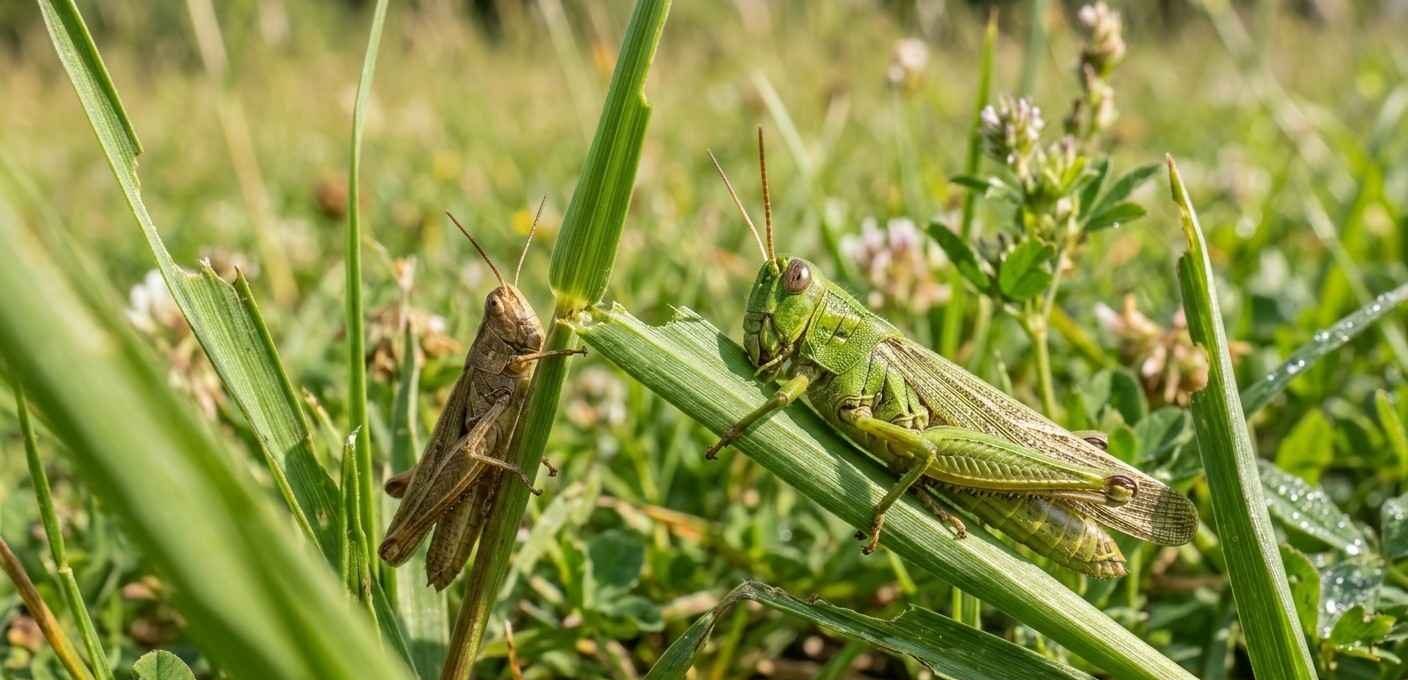
When people ask, “do grasshoppers eat grass,” the answer is a resounding yes. Grasshoppers are primarily herbivores, which means their diet consists entirely of plant matter. Among the various types of plants they consume, grasses are usually their absolute favorite meal. They are drawn to the soft, tender blades of fresh green grass found in lawns, meadows, and pastures.
Most grasshopper species are highly adapted to thriving in grassy environments. They use the tall blades of grass not only as an endless food buffet but also as a safe hiding spot from predators. Their green and brown coloring blends perfectly with the foliage around them. If you have a healthy, vibrant lawn, it is practically a magnet for these hungry insects.
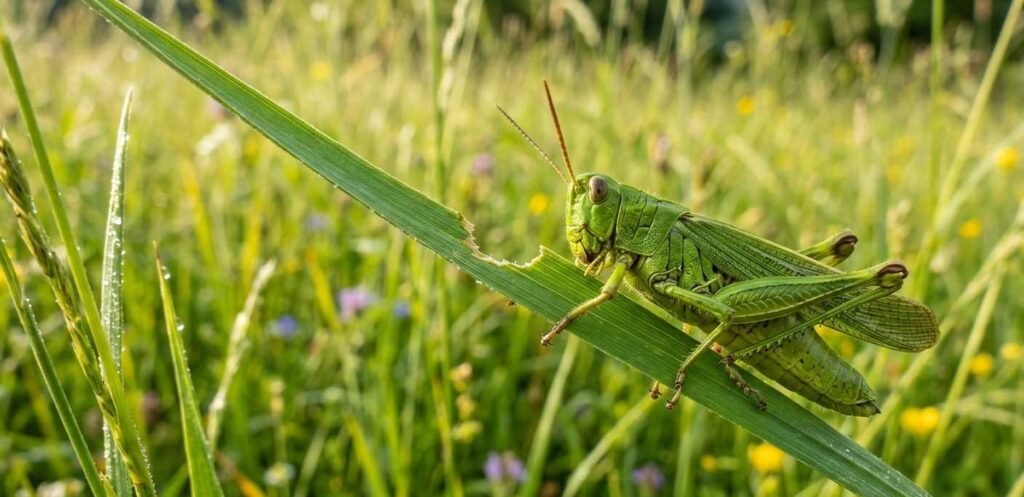
They are not particularly picky when it comes to the type of grass they consume. From Kentucky bluegrass to Bermuda grass and wild meadow weeds, they will happily chew on almost any variety. Their powerful jaws are perfectly designed to snip off pieces of grass with incredible ease. As long as the plant material is relatively tender, a grasshopper will make a meal out of it.
How Do Grasshoppers Chew and Digest Grass?
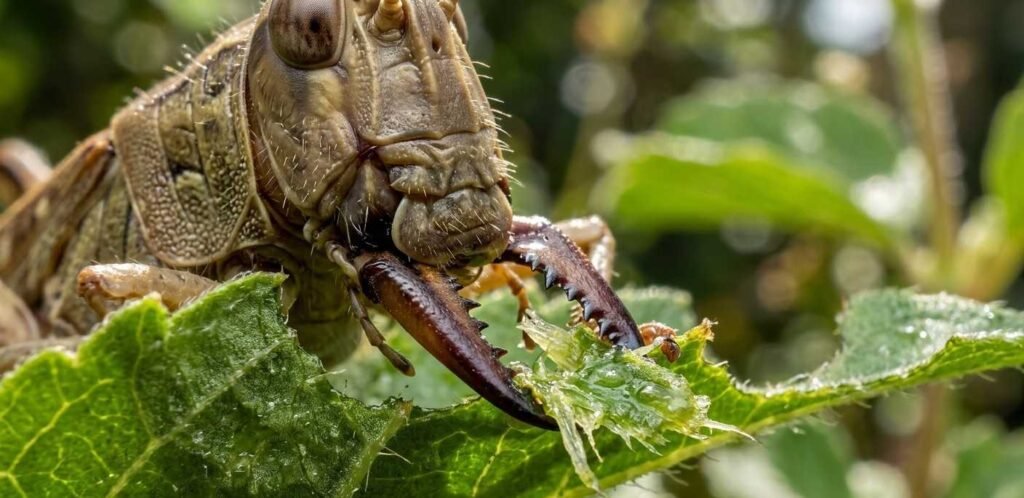
Have you ever wondered how such a small insect can chew through tough plant matter? Grasshoppers possess specialized mouthparts called mandibles that function very much like a pair of sharp scissors. These mandibles move from side to side, allowing the insect to effortlessly slice through the edges of grass blades. They take tiny, rapid bites, working their way down the length of the plant leaf.
Once the grass is chewed up, it enters their unique digestive system. Grasshoppers have a specialized stomach that produces enzymes specifically designed to break down tough plant cellulose. This is a crucial adaptation because grass is notoriously difficult for many animals to digest. Their digestive tract allows them to extract vital nutrients and water directly from the plant fibers.
Interestingly, grasshoppers do not drink water in the traditional sense like mammals do. Instead, they get almost all the hydration they need from the moisture trapped inside the plants they eat. This is why you will often see them feeding more heavily during the early morning when dew is still on the grass. Eating fresh, water-rich grass helps them stay hydrated under the hot summer sun.
Beyond the Lawn: What Else Do Grasshoppers Eat?
While we have firmly answered the question, “do grasshoppers eat grass,” their menu does not stop there. Grasshoppers are considered polyphagous, meaning they eat a wide variety of different foods. If grass becomes scarce, or if they simply want a change of pace, they will move on to other plants. Here are some of the other common items you might find a grasshopper snacking on:
- Leaves: They love the broad, tender leaves of trees, shrubs, and bushes.
- Stems: While tougher than leaves, green stems are still on the menu.
- Flowers: The soft petals of garden flowers are a sweet treat for them.
- Seeds: Unripe seeds found on wild weeds provide a great source of protein.
- Vegetables: They will happily destroy lettuce, beans, and carrots in a garden.
This diverse diet is exactly what makes them such a nuisance to farmers and home gardeners alike. A small group of grasshoppers can quickly skeletonize a beautiful flowerbed or vegetable patch. They are incredibly opportunistic feeders that will take advantage of whatever green vegetation is nearest to them.
The Devastating Impact on Agricultural Crops
For the average homeowner, a few grasshoppers in the lawn is no big deal. However, for farmers, the answer to “do grasshoppers eat grass” takes on a much more serious tone. Grasshoppers do not just eat lawn grass; they are notorious for devouring massive fields of agricultural crops. They are particularly drawn to crops that belong to the grass family.
Some of their absolute favorite crops include corn, wheat, barley, and oats. Because these plants are essentially giant, highly nutritious grasses, they attract grasshoppers by the thousands. During a severe outbreak, a swarm of grasshoppers can completely wipe out an entire field of crops in a matter of days. They eat the leaves, the stems, and even the developing grain heads.
![A massive swarm of flying locusts descending over a vast field of wheat crops.]](https://animalsgrass.com/wp-content/uploads/2026/06/jkjjj-e1780329676736-1024x501.jpeg)
The economic damage caused by these insects can reach millions of dollars annually in the agricultural sector. Farmers have to stay highly vigilant during the hot, dry months when grasshopper populations naturally explode. They rely on crop rotation, natural predators, and sometimes chemical controls to keep their fields safe.
Are Locusts Just Giant Grasshoppers?
When discussing grasshopper diets, the topic of locusts almost always comes up. Many people wonder if locusts are a completely different insect or just a type of grasshopper. The truth is, locusts actually are a specific type of short-horned grasshopper. The main difference between a regular grasshopper and a locust is their behavioral phases.
Under normal conditions, locusts act exactly like solitary grasshoppers, minding their own business and eating grass. However, when environmental conditions change—usually after a drought followed by heavy rain—their behavior alters drastically. They begin to breed rapidly and crowd together, entering what is known as the “gregarious phase.”
During this phase, they change color, grow larger muscles, and form massive, terrifying swarms. These swarms fly across continents, consuming every single piece of green vegetation in their path. So, while a solitary grasshopper might just nibble on your lawn, a swarm of locusts can cause historical famines.
What Do Baby Grasshoppers (Nymphs) Eat?
The life cycle of a grasshopper is fascinating, consisting of three main stages: egg, nymph, and adult. When grasshoppers hatch from their eggs in the spring, they emerge as tiny nymphs. Nymphs look very similar to adult grasshoppers, but they do not have fully developed wings. Because they cannot fly, their food choices are highly restricted to whatever is immediately around them.
So, do grasshopper nymphs eat grass like the adults? Yes, they absolutely do, but they require much softer food. Because their mandibles are still small and relatively weak, they cannot chew through tough, mature plant stems. Instead, they focus on the newest, softest shoots of grass and tender low-growing weeds.
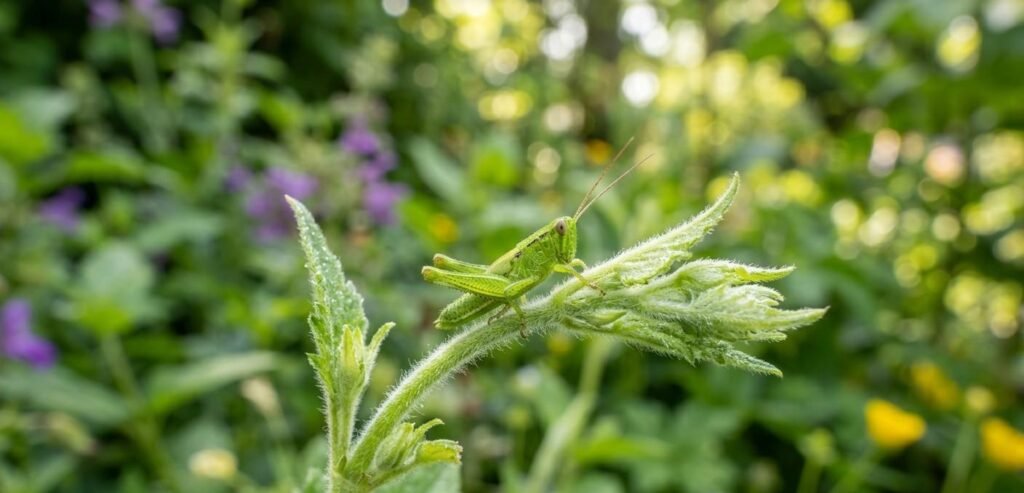
As the nymphs eat and grow, they go through several molting stages, shedding their exoskeletons. With each molt, their jaws become stronger, allowing them to tackle tougher, more mature grasses and plants. By the time they reach full adulthood and grow their wings, they are ready to eat almost any plant material they land on.
The Role of Grasshoppers in the Natural Ecosystem
It is easy to view grasshoppers simply as annoying pests that eat our grass and ruin our gardens. However, these insects play a tremendously important role in the global ecosystem. Without grasshoppers, many natural habitats would struggle to survive. They are a foundational piece of the food web in grasslands, meadows, and forests.
First and foremost, grasshoppers act as a crucial food source for a massive variety of wildlife. Birds, spiders, frogs, lizards, and small mammals rely heavily on grasshoppers to survive. During the summer months, grasshoppers provide a protein-rich meal for birds feeding their growing chicks. If grasshopper populations plummet, the animals that prey on them often face starvation.
Furthermore, grasshoppers help with nutrient cycling in the environment. As they eat massive amounts of grass and leaves, they produce equally large amounts of waste, known as frass. This frass falls to the ground and decomposes quickly, returning essential nutrients like nitrogen back into the soil. In a way, they are natural lawn fertilizers, breaking down plant matter so new plants can grow.
How to Tell if Grasshoppers Are Damaging Your Yard
If you are worried that grasshoppers are taking over your property, there are clear signs to look for. Because grasshoppers are relatively large insects, the damage they leave behind is highly visible. You won’t usually see tiny pinholes in your leaves; instead, you will see large, jagged chunks missing.
Here are the most common signs of grasshopper damage in a yard or garden:
- Ragged Leaf Edges: Leaves will look like someone took a jagged pair of scissors to the edges.
- Completely Bare Stems: In severe cases, they will eat all the leaves, leaving only bare stems behind.
- Holes in the Center of Leaves: Sometimes they will chew large, irregular holes right through the middle of broad leaves.
- Droppings: You might notice small, dark specks of frass (insect poop) on the lower leaves of your plants.
If you only see one or two grasshoppers, there is usually no need to panic. A healthy garden can easily withstand a little bit of nibbling from a few insects. However, if you walk through your grass and dozens of them jump out with every step, you may have an infestation brewing.
Natural Ways to Protect Your Garden and Lawn
If you have realized the answer to “do grasshoppers eat grass” a little too late and your yard is suffering, it is time to take action. Many homeowners prefer to avoid harsh chemical pesticides, especially if they have pets or children playing in the yard. Fortunately, there are several highly effective, natural methods to keep grasshoppers at bay.
One of the best natural defenses is to use garlic spray or neem oil on your most prized plants. Grasshoppers hate the strong smell and bitter taste of these natural repellents. By lightly coating the leaves of your garden vegetables and flowers, you can deter them from taking a bite. You will need to reapply these sprays after a heavy rain, but they work wonders.

Another fantastic strategy is to invite natural predators into your yard. If you set up bird feeders and birdbaths, you will attract species like robins, bluebirds, and sparrows. These birds will happily spend their days hunting down the grasshoppers hidden in your lawn. If you live in a rural area, raising a few backyard chickens or guinea fowl is an almost foolproof way to eradicate a grasshopper problem overnight.
Can Grasshoppers Survive Without Grass?
We know that grass is a staple of their diet, but what happens if there is no grass available? Can a grasshopper survive in environments where grass does not grow? The answer lies in their incredible adaptability. While grass is preferred, it is by no means the only thing keeping them alive.
In arid, desert-like environments where lush grass is non-existent, grasshoppers adapt by eating tough desert shrubs and drought-resistant weeds. In dense forests, they will survive perfectly fine by consuming the leaves of trees and woodland ferns. Their highly flexible digestive systems allow them to extract nutrients from almost any non-toxic plant they can find.
There are even a few rare species of grasshoppers that have been known to scavenge. If plant food is entirely depleted, some grasshoppers will resort to eating dead insects or even animal matter to survive. While they are overwhelmingly herbivorous, their primary goal is survival, and they will eat whatever is necessary to avoid starvation.
Frequently Asked Questions (FAQs)
Do grasshoppers bite humans?
While grasshoppers have strong jaws designed for chewing plants, they rarely bite humans. If you catch one and hold it tightly in your hand, it might give you a small nip in self-defense. However, these bites are harmless, not venomous, and rarely even break the skin.
Do grasshoppers eat at night?
Grasshoppers are primarily diurnal, meaning they are most active during the daylight hours. They rely on the warmth of the sun to give them energy for jumping and flying. When the sun goes down and temperatures drop, they usually find a safe spot in the tall grass to rest until morning.
Do grasshoppers eat weeds?
Yes, grasshoppers are actually quite helpful when it comes to eating certain weeds. They will happily consume dandelions, bindweed, and other common lawn weeds. Unfortunately, they don’t distinguish between a weed you hate and a flower you love, so they aren’t the best weed-control agents.
How long does a grasshopper live?
The lifespan of a grasshopper is relatively short. Most species only live for a few months, completely their entire life cycle within a single year. The adults typically die off in the late autumn when the first heavy frosts hit, leaving their eggs buried in the soil to hatch the following spring.
Final Thoughts on the Grasshopper Diet
So, do grasshoppers eat grass? Absolutely. Grass is the foundation of their diet, providing them with the necessary nutrients, energy, and hydration they need to thrive. Whether they are hiding out in a suburban lawn or swarming across an agricultural field, their appetite for green vegetation is truly remarkable.
Understanding what grasshoppers eat helps us become better gardeners and more observant nature lovers. While they can occasionally become a nuisance to our prized tomato plants and pristine lawns, they are also a vital component of the natural world. They feed the birds, fertilize the soil, and play their part in the delicate balance of the ecosystem.
Next time you are walking through the yard and a grasshopper leaps out from under your shoe, you will know exactly what it was doing down there. It was just enjoying a fresh, green salad right off your lawn. By using the natural management tips outlined in this guide, you can peacefully coexist with these incredible jumping insects while keeping your garden perfectly intact.