The Ultimate Guide to the Magpie Duck: Care, Eggs, and Breeding
If you are looking to add a touch of elegance, excellent egg production, and top-tier bug control to your backyard or farm, you might want to consider the Magpie duck. Known for their striking black and white plumage that resembles the magpie bird, these energetic waterfowl have become a favorite among homesteaders, farmers, and pet owners across the United States, the United Kingdom, and beyond.
Whether you are a seasoned poultry enthusiast or a beginner looking for your very first flock, raising ducks can be an incredibly rewarding experience. But what makes the Magpie duck stand out from the classic Pekin or the popular Khaki Campbell?
In this comprehensive guide, we are going to dive deep into everything you need to know about the Magpie duck. We will cover their fascinating history, physical traits, personality, egg production capabilities, and exactly how to care for them so they thrive in your backyard.
1. History and Origin of the Magpie Duck
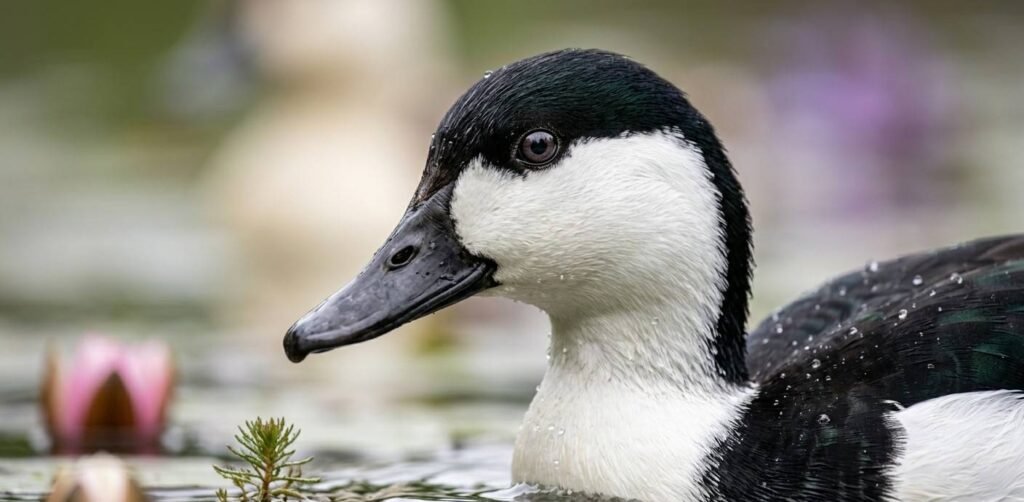
To truly appreciate the Magpie duck, it helps to understand where they came from. Unlike some ancient breeds, the Magpie is a relatively modern creation, developed in the early 20th century.
Born in the British Isles
The breed was created in Wales in the 1920s by two prominent breeders: M.C. Gower-Williams and Oliver Drake. Their goal was to engineer a light duck breed that possessed excellent foraging abilities, high egg production, and a visually striking appearance. While the exact genetic recipe is somewhat of a mystery, poultry historians believe the Magpie duck was developed by crossing the Runner duck (known for its upright stance and egg-laying prowess) with the Huttegem, an old Belgian breed recognized for its hardiness.
Global Recognition
Following its success in the UK, the breed was exported worldwide. The Magpie duck arrived in the United States in the 1940s. It wasn’t long before its utility and beauty caught the eye of American breeders. By 1977, the American Poultry Association (APA) officially recognized the Magpie duck, admitting it into the Standard of Perfection under the Light Duck class.
Today, while they remain a somewhat rare breed compared to heavy commercial meat ducks, their popularity is steadily rising among small-scale farmers and homesteaders who value self-sufficiency and heritage breeds.
2. Physical Characteristics: The Standard of Perfection
When you see a Magpie duck, you know it. They are arguably one of the most fashionable birds in the poultry world.
The Striking Color Pattern
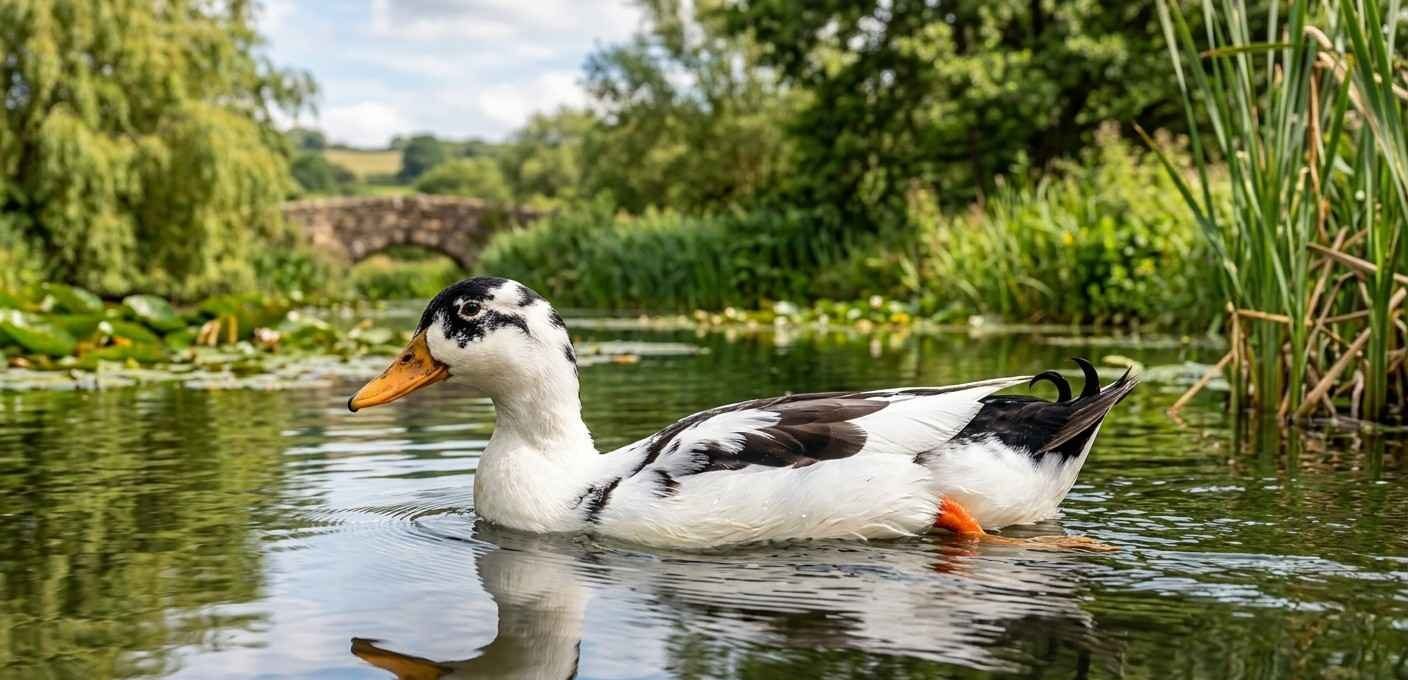
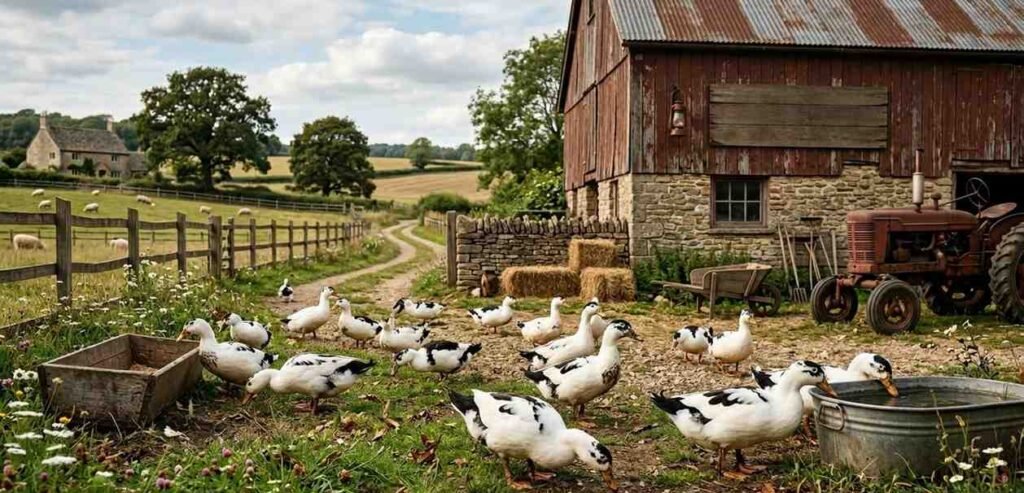
The most defining feature of this breed is its distinct markings. A perfectly marked Magpie duck will have a solid white body with sharp, contrasting patches of color on its back (often called the “mantle” or “saddle”) and on the top of its head (the “cap”).
While Black and White is the most recognized and popular color variety in the US and UK, they also come in Blue and White. The transition between the colored patches and the white feathers should be as sharp and crisp as possible, though achieving this perfect show-quality marking is notoriously difficult for breeders.
Size and Stature
The Magpie duck belongs to the light class of ducks. They have a moderately long body, a broad chest, and a slightly upright carriage—a subtle nod to their Runner duck ancestors.
- Adult Drakes (Males): Typically weigh between 4.5 to 5.5 pounds (2 to 2.5 kg).
- Adult Ducks (Females): Slightly lighter, usually weighing between 4 to 5 pounds (1.8 to 2.2 kg).
Because of their lighter weight, they are highly active, agile, and remarkably light on their feet.
Bill and Feet
The bill of a Magpie duck is long and typically yellow or orange, often developing dark spots or completely turning green-black as the duck ages. Their legs and feet are bright orange, which beautifully offsets their stark black and white plumage.

3. Temperament and Personality
If you want a flock that sits around lazily all day, the Magpie duck is not for you. These birds are bundles of energy!
Active and Alert Foragers
Magpies are always on the move. They are exceptional foragers and will spend the vast majority of their day patrolling your yard for insects, slugs, snails, and seeds. If you have a garden plagued by pests, a small flock of Magpie ducks will act as your organic pest control squad. They are particularly famous for hunting down ticks and mosquito larvae, making your property much more comfortable during the summer months.
Docile and Friendly
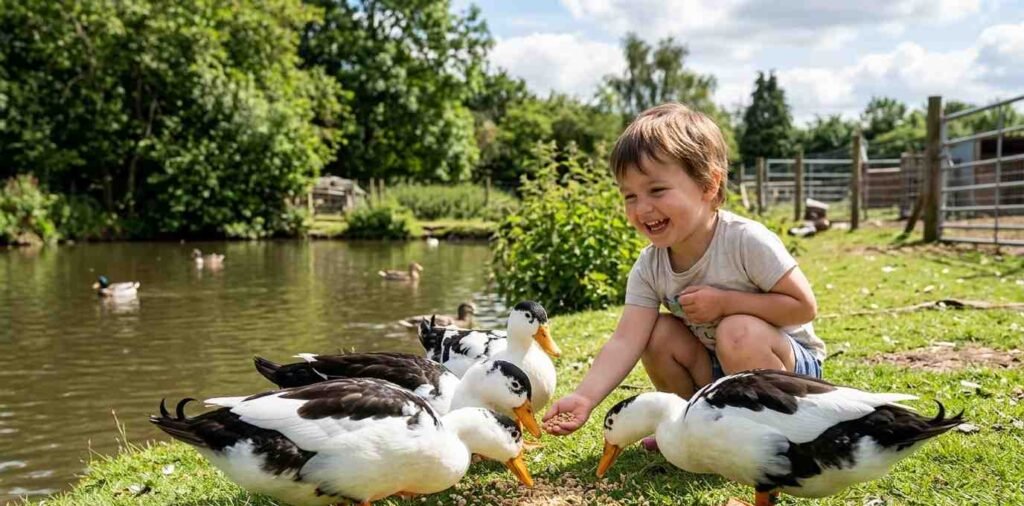
Despite their high energy levels, Magpies are generally very docile and even-tempered. They are not known to be aggressive, making them a fantastic choice for families with children. If handled frequently from the duckling stage, they can become remarkably tame and affectionate, often following their owners around the yard begging for treats.
Are They Noisy?
Like most duck breeds, the females are the noisy ones. A female Magpie duck has a loud, distinct “quack” that she will use to announce her excitement, hunger, or alarm. The drakes, on the other hand, have a raspy, quiet, whispered quack. While they aren’t the loudest ducks on the farm (Call ducks hold that title), they are certainly communicative. If you live in a tight suburban neighborhood with strict noise ordinances, this is something to keep in mind.
4. Egg Production and Lifespan
For many homesteaders, the primary reason for keeping ducks is the eggs, and the Magpie duck truly excels in this department.
Prolific Egg Layers
A healthy Magpie duck can lay between 220 and 290 eggs per year. This rivals some of the best egg-laying chicken breeds on the market. Their eggs are large, typically weighing around 65 to 80 grams.
The eggshell color is predominantly white, but it is not uncommon to find eggs with a beautiful blue or green tint. Duck eggs are highly prized by bakers and chefs because they have a higher fat content, thicker whites, and larger yolks compared to chicken eggs, resulting in richer, fluffier baked goods.
Lifespan
With proper care, a safe environment, and a good diet, a Magpie duck can live a long and happy life. Their average lifespan ranges from 9 to 15 years. Because they are a lighter breed, they tend to suffer from fewer joint and leg issues in their old age compared to heavy breeds like Pekins.

5. Meat Production
While the Magpie duck is primarily considered an egg-layer and exhibition bird, they are technically a dual-purpose breed.
Because they are lightweight, you won’t get a massive roast from a Magpie. However, the meat they do produce is considered gourmet quality. It is rich, fine-textured, and highly flavorful. For small families looking to raise their own sustainable meat alongside eggs, surplus Magpie drakes make a respectable table bird, usually ready for processing around 10 to 12 weeks of age.
6. Comprehensive Care and Feeding Guide
Raising ducks is fundamentally different from raising chickens. They have unique requirements, especially when it comes to water and vitamins. Here is how to keep your Magpie ducks thriving.
The Right Diet for Magpie Ducks
Nutrition is the cornerstone of poultry health. Because Magpies are excellent foragers, they will supplement a large portion of their diet with wild greens and insects. However, you must provide a high-quality base feed.
- Ducklings (0-3 Weeks): Start them on a high-protein waterfowl starter crumb (around 18-20% protein). Crucial note: Avoid medicated chicken starter, as ducklings eat more than chicks and can easily overdose on the medication.
- Growers (4-14 Weeks): Switch to a grower pellet with a slightly lower protein content (around 15-16%) to prevent growth abnormalities like angel wing.
- Layers (15+ Weeks): Once they approach laying age, transition them to a waterfowl layer pellet (16% protein) that contains added calcium for strong eggshells.
The Niacin Requirement: Ducks require significantly more niacin (Vitamin B3) than chickens. A niacin deficiency can lead to severe neurological issues and bowed legs. Ensure your feed is formulated for waterfowl. If using a chicken feed, supplement it with brewer’s yeast to meet their niacin needs.
Water Requirements
Ducks need water—lots of it. However, they don’t necessarily need a sprawling lake.
- Drinking Water: Ducks must have access to fresh drinking water deep enough to submerge their entire heads. This allows them to clear their nostrils and keep their eyes clean.
- Swimming Water: While a Magpie duck can survive without a pond, having access to swimming water keeps their feathers in top condition by encouraging them to preen and distribute natural waterproofing oils. A hard plastic kiddie pool emptied and refilled a few times a week is perfect for a backyard flock.

7. Housing and Predator Protection
Magpie ducks are hardy birds that tolerate both heat and cold very well, provided they have adequate shelter.
The Duck House
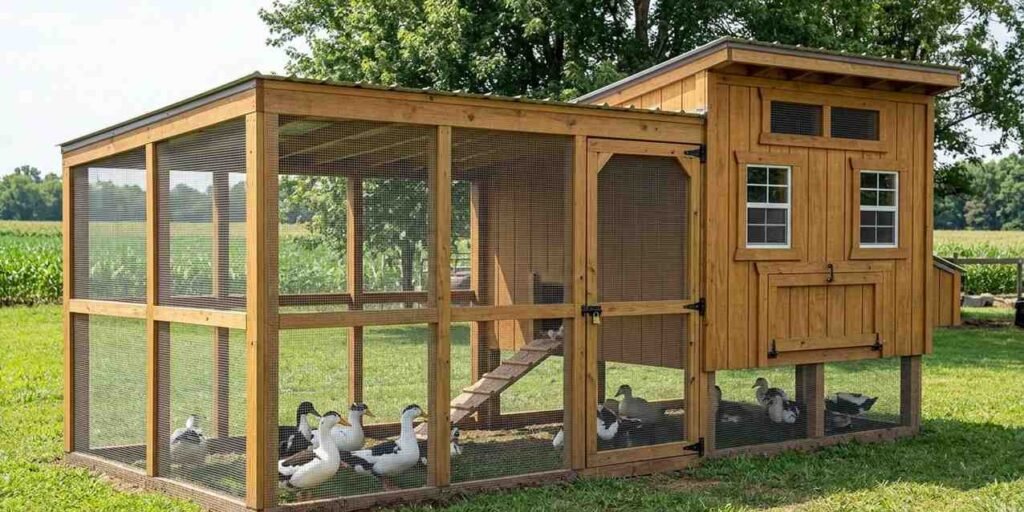
Your duck coop doesn’t need to be complex. Unlike chickens, ducks prefer to sleep on the floor, so you do not need roosting bars.
- Space: Provide at least 4 square feet of floor space per duck inside the coop.
- Ventilation: Moisture is the enemy of a duck house. Ducks breathe out a lot of moisture, and their droppings are wet. Ensure your coop is highly ventilated at the roofline to prevent respiratory issues and frostbite in the winter.
- Bedding: Pine shavings, straw, or hemp bedding work wonderfully. Use the “deep litter method” during winter to create natural heat.
Predator Proofing
Because Magpies are a light breed, they are highly vulnerable to predators like raccoons, foxes, coyotes, hawks, and neighborhood dogs.
Your coop must be heavily fortified. Use 1/2-inch hardware cloth instead of chicken wire (which raccoons can easily tear through). Ensure the coop has a solid floor or a predator apron dug into the ground to prevent digging animals from getting inside.
8. Breeding the Magpie Duck
If you plan to breed Magpie ducks, be prepared for a fun, yet frustrating, genetic puzzle.
The Challenge of Markings
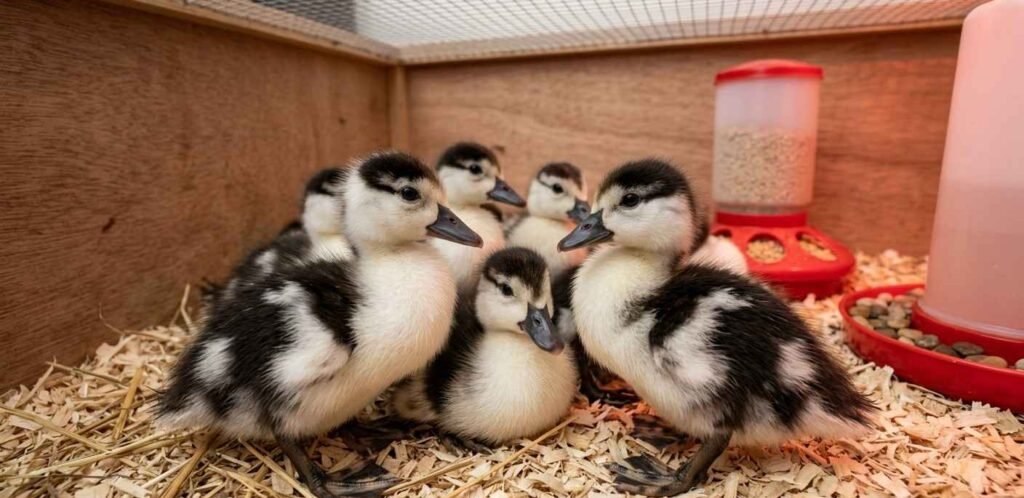
As mentioned earlier, getting the perfect “Standard of Perfection” markings is very difficult. Even if you breed two perfectly marked Magpie ducks, only a small percentage of their offspring will possess show-quality markings. Many ducklings will hatch nearly all white, mostly black, or with patchy, irregular spots.
If you are breeding for backyard joy, eggs, and bug control, the markings don’t matter at all! Every uniquely spotted duckling is beautiful in its own right. However, if you intend to show them at poultry exhibitions, you will need to hatch a large number of ducklings to find the few with perfect caps and mantles.
Incubation
Magpie ducks occasionally go broody (decide to sit on and hatch their eggs), but they aren’t as reliable as some other breeds. If you want a guaranteed hatch, an artificial incubator is your best bet.
- Incubation Period: 28 days.
- Temperature: 99.5°F (37.5°C).
- Humidity: 55% for the first 25 days, bumped up to 65-70% for the final “lockdown” hatching phase.
9. Common Health Issues to Watch For
Magpie ducks are remarkably robust and rarely get sick, but as an owner, you should be vigilant for a few common waterfowl ailments:
- Bumblefoot: A staph infection of the footpad, usually caused by stepping on something sharp or walking on rough, hard surfaces. It presents as a hard, black scab on the bottom of the foot. Keep their living areas soft and free of sharp debris.
- Angel Wing: A condition where the last joint of the wing points outward rather than laying flat against the body. This is typically caused by feeding too much protein or excess carbohydrates (like bread) during their rapid growth phase.
- Egg Binding: Occasionally, a female may struggle to pass an egg. Providing a diet rich in calcium and ensuring they have low-stress environments helps prevent this.
Always establish a relationship with a local avian or agricultural veterinarian who has experience with waterfowl before an emergency strikes.
10. Why Choose Magpie Ducks? (Pros and Cons)
Still on the fence about whether the Magpie duck is right for your property? Here is a quick summary.
The Pros:
- Outstanding egg layers (up to 290 large eggs a year).
- Incredible foragers that naturally reduce insect populations.
- Lightweight and agile, meaning less damage to your lawn compared to heavy breeds.
- Friendly, active, and highly entertaining to watch.
- Strikingly beautiful appearance.
The Cons:
- Show-quality markings are incredibly hard to breed consistently.
- Being a light breed, they are highly susceptible to predators.
- Can be flighty if not handled gently from a young age.
- Females can be quite vocal.
Conclusion
The Magpie duck is an absolute treasure of the poultry world. They bridge the gap perfectly between a highly productive farm animal and an engaging, beautiful backyard pet. For homesteaders in the US, UK, and beyond looking for a steady supply of rich, delicious eggs and top-notch organic pest control, it is hard to find a better candidate than this sprightly black and white waterfowl.