Do Squirrels Eat Grass? A Complete Guide to Their Lawn Habits
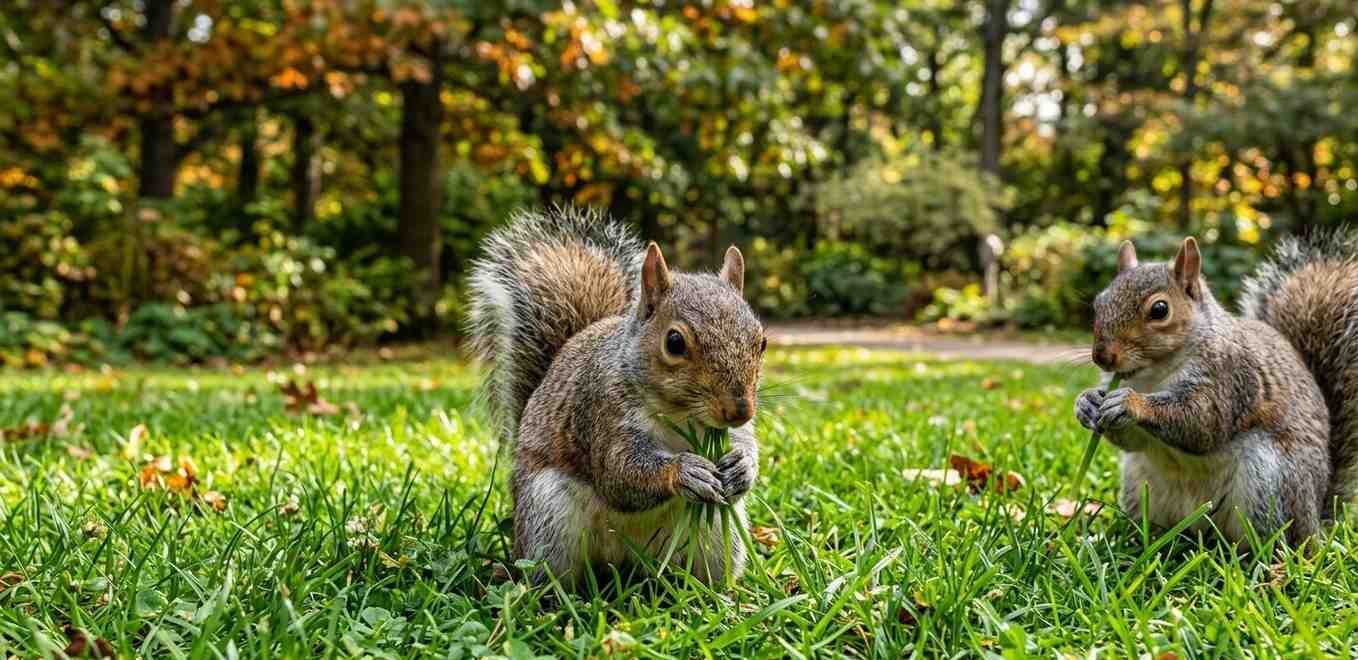
If you have ever spent a quiet morning looking out your window, you have probably watched a squirrel darting across your lawn. These energetic little acrobats are famous for hoarding acorns and raiding bird feeders with unmatched determination. However, you might have noticed them pausing to nibble on your green turf and wondered about their true diet. This common backyard observation leads many homeowners to ask: do squirrels eat grass? The answer is surprisingly complex, blending their dietary needs with their survival instincts.
To put it simply, yes, squirrels do eat grass, but it is not their favorite meal. Grass is not a staple in the standard squirrel diet, which usually consists of nuts, seeds, and fruits. When you see them chewing on your lawn, they are usually hunting for something specific. They might be after the tender, moisture-rich shoots that sprout in early spring. Understanding their behavior can help you figure out exactly what they are doing in your yard.
In this comprehensive guide, we will explore everything you need to know about squirrels and your lawn. We will break down exactly what parts of the grass they eat and why they do it. Furthermore, we will look at the difference between eating grass for food and using it for their nests. By the end of this article, you will know exactly how to protect your beautiful yard from their tiny, digging claws.
The Short Answer: Do Squirrels Eat Grass?
When people ask, “do squirrels eat grass,” they usually picture a squirrel grazing like a tiny cow. In reality, squirrels are omnivores with a heavy preference for foraging high-calorie foods. They do not have the complex digestive systems required to survive on a diet made entirely of grass blades. Therefore, while they will eat grass, they only do so in specific situations or out of sheer necessity.
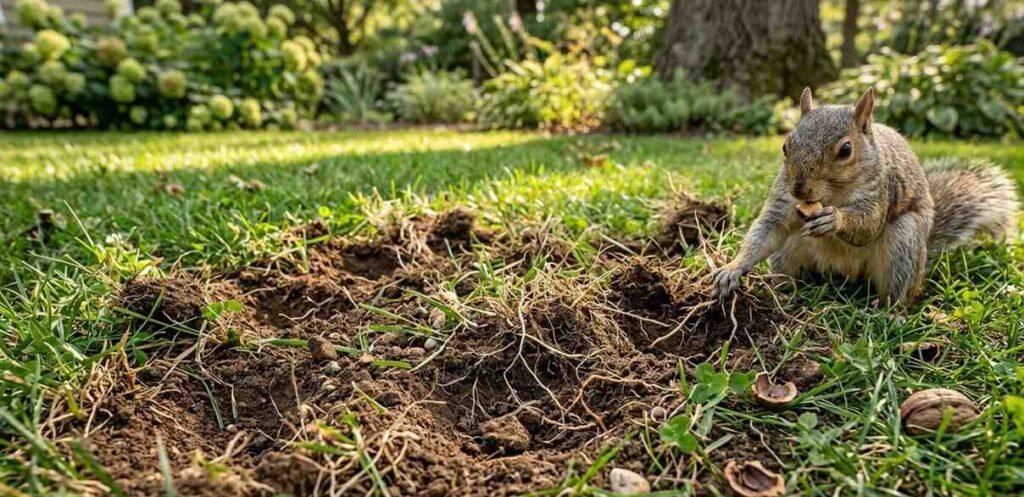
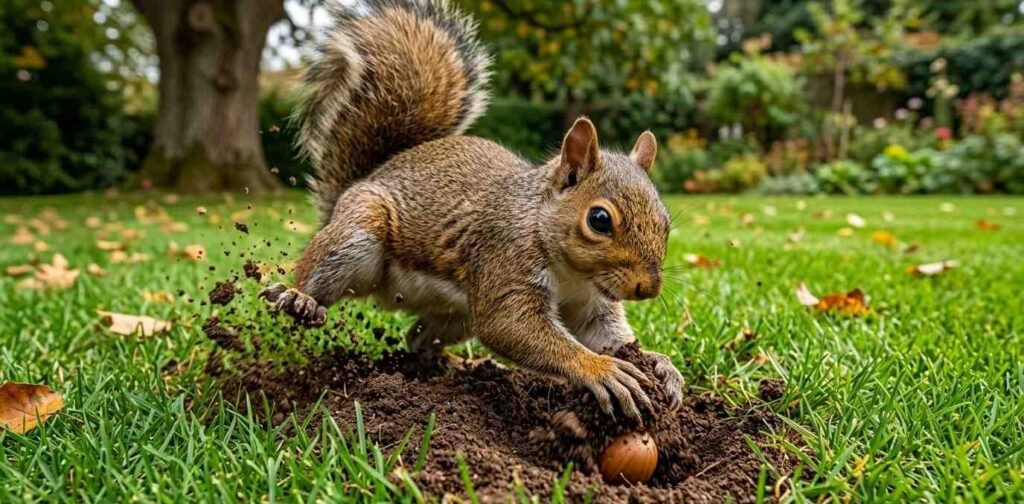
Most of the time, what looks like a squirrel eating grass is actually a squirrel digging. They are often hunting for buried treasures from the previous fall, like hidden acorns or walnuts. Alternatively, they might be searching for juicy grubs and insects living just beneath the surface of the soil. When they do actively consume the grass itself, they are usually targeting the sweet, starchy roots. The green blades above ground are simply in their way.
What Makes Your Lawn a Five-Star Restaurant for Squirrels?
There are a few key reasons why a squirrel might suddenly take an interest in eating your grass. The first major factor is hydration, especially during dry spells or late summer heatwaves. Grass blades hold morning dew, and the plant itself contains a significant amount of water. If a local water source has dried up, squirrels will chew on fresh grass blades to quench their thirst. It is a clever survival tactic that keeps them hydrated when puddles are scarce.
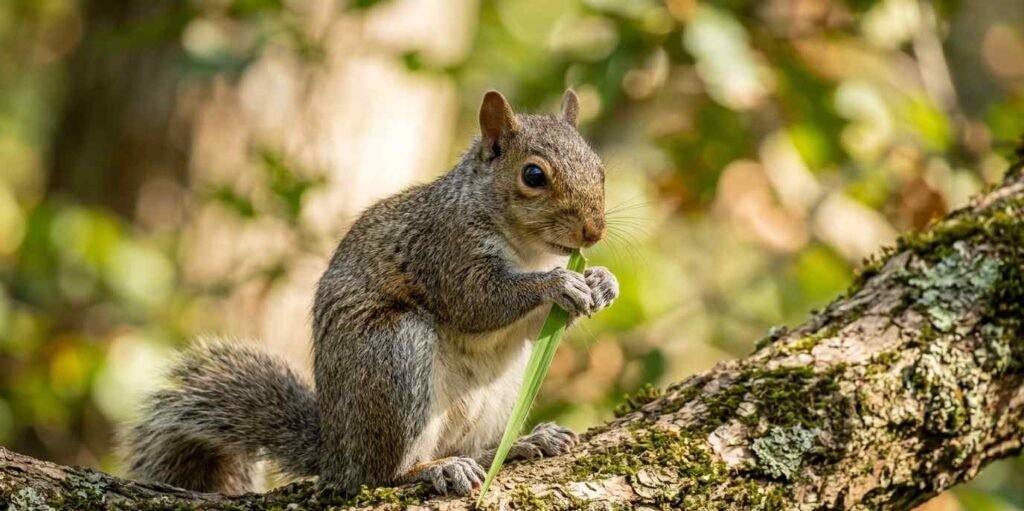
Furthermore, seasonal shortages can force their hand. By early spring, the previous autumn’s stash of nuts and seeds has either vanished or spoiled. Conveniently, this scarcity coincides with the arrival of tender green sprouts pushing through the warming soil. Brimming with easily digestible nutrients, these young blades of grass are a jackpot for a hungry rodent. To bridge the gap until better food arrives, squirrels gladly feast on this fresh backyard salad.
Finally, digestion plays a role in their occasional grass-eating habits. Just like dogs and cats, squirrels will sometimes eat grass to soothe an upset stomach. The fibrous nature of the grass blades can help push indigestible materials through their digestive tract. While it is not an everyday occurrence, this medicinal use of grass is perfectly natural. It is just another way these intelligent creatures adapt to their environment.
What Parts of the Grass Do They Actually Like?
If a squirrel is genuinely eating your lawn, it is highly selective about which parts it consumes. They rarely eat the tough, fibrous tips of the grass blades that we cut with our lawnmowers. Instead, they are looking for the hidden gems located at the very base of the plant. Their tiny, dexterous paws are perfect for peeling back the tough exterior to get to the good stuff.
Here are the specific parts of the grass plant that squirrels find appealing:
- The Roots (Rhizomes): Grass roots are surprisingly rich in starches and natural sugars. Squirrels will dig small, shallow holes to pull up the roots, chewing them for a quick energy boost.
- Fresh Spring Shoots: The newest growth on a grass plant is tender and full of moisture. These delicate shoots are easy to chew and digest compared to mature grass.
- Grass Seeds: If you have let your lawn go to seed, or if you recently reseeded, squirrels will feast. They treat grass seeds just like birdseed, scooping them up enthusiastically.
- The Crown: The fleshy base where the grass meets the root system holds a lot of moisture. Squirrels will sometimes bite the grass off just to eat this hydrating section.
The Real Core Diet: What Do Squirrels Prefer to Eat?
To truly understand why grass is just a backup option, we need to look at what squirrels actually prefer. Squirrels are opportunistic foragers, meaning they will eat almost anything if they are hungry enough. However, their bodies are designed to process highly nutritious, fat-rich foods that provide long-lasting energy. Grass simply does not pack the caloric punch they need to survive the harsh winter months.
Their absolute favorite foods include a wide variety of tree nuts and seeds. Acorns, walnuts, pecans, and hickory nuts are the gold standard for a hungry squirrel. They also love sunflower seeds, which is why your bird feeders are constantly under attack. Beyond nuts, they consume a massive amount of wild fruits, berries, and even the occasional wild mushroom. Fungi provide essential minerals that are hard to find elsewhere in the forest.
Surprisingly, squirrels also have a carnivorous side that many people are unaware of. When nuts are scarce, they will happily eat caterpillars, grasshoppers, beetles, and juicy grubs found in your lawn. In desperate times, they have even been known to eat bird eggs or small frogs. When you compare this rich, varied diet to a plain blade of grass, it is easy to see the truth. Grass is merely a snack or a tool, not a main course.
The Nuisance Factor: Are They Eating Grass or Hiding Food?
One of the biggest frustrations for homeowners is walking outside to find their pristine lawn full of holes. When you see a squirrel tearing up the grass, your first thought might be that they are eating it. However, the vast majority of lawn damage caused by squirrels is due to their caching behavior. Caching is the act of hiding food to retrieve it later when resources are scarce.
Squirrels are scatter hoarders, meaning they bury their food in thousands of different shallow locations. They will aggressively dig through the grass to create a hole just deep enough for a single acorn. Once the nut is deposited, they quickly pat the dirt and grass back into place to hide their treasure. They rely on their incredible sense of smell to find these hidden meals months later. Unfortunately, this means they will dig up your lawn twice: once to bury the food, and once to retrieve it.
Tree Squirrels vs. Ground Squirrels: A Difference in Diet
It is important to note that the term “squirrel” covers a wide variety of distinct species. The exact answer to “do squirrels eat grass” can change depending on which type of squirrel lives in your yard. The classic tree squirrels, like the Eastern Gray or Fox Squirrel, spend most of their time in the canopy. These are the ones that only occasionally nibble on grass shoots for moisture or digestion.
Ground squirrels, on the other hand, have an entirely different relationship with your lawn. Species like the California ground squirrel live in complex burrows dug directly into the earth. Because they live among the grasses and low-lying vegetation, their diet is naturally more herbivorous. Ground squirrels are much more likely to consume grass leaves, clovers, and broadleaf weeds as a regular part of their diet. If you have ground squirrels, they might actually be grazing on your lawn.
Nesting Materials: Another Reason They Pull Your Grass
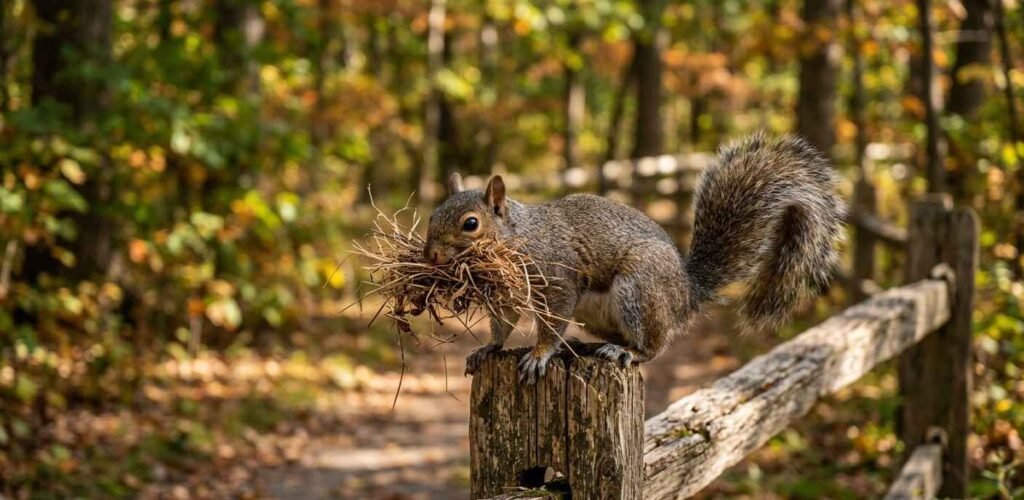
Sometimes, a squirrel pulling up your grass has absolutely no intention of eating it. Tree squirrels build elaborate, spherical nests high up in the branches called “dreys.” These dreys are essential for surviving freezing winter nights and providing a safe place to raise their young babies. To make these nests comfortable and waterproof, squirrels require a massive amount of soft, insulating material.
This is where your lawn comes into play. Squirrels will actively pull up long strands of grass to weave into the outer shell of their nests. They particularly love dead, dry grass or the clippings left behind by your lawnmower. The dry grass acts as incredible insulation, trapping their body heat inside the drey. So, if you see a squirrel running across your fence with a mouthful of grass, they are likely building a home, not eating a meal.
The Dangers of Chemically Treated Lawns for Wildlife
If squirrels are occasionally eating your grass, it brings up an important issue regarding lawn care and wildlife safety. Many homeowners use a variety of chemical treatments to keep their lawns looking perfect and weed-free. Herbicides, pesticides, and synthetic fertilizers are sprayed heavily on residential turf throughout the growing season. While these chemicals make the grass look great, they can be highly toxic to the animals that consume them.
When a squirrel eats grass covered in weed killer, or grubs coated in pesticides, they ingest those toxins directly. Over time, these chemicals can build up in their tiny bodies, causing severe neurological issues or even death. Furthermore, if a poisoned squirrel is caught by a hawk, fox, or neighborhood cat, the poison moves up the food chain. This secondary poisoning is a massive problem in suburban environments.
If you enjoy having wildlife in your yard, consider transitioning to natural or organic lawn care methods. There are many pet-safe and wildlife-friendly fertilizers available on the market today. Additionally, using natural pest control methods, like introducing beneficial nematodes to kill grubs, is much safer. A healthy, organically maintained lawn is better for the squirrels, your pets, and the local ecosystem.
How to Identify Squirrel Damage in Your Yard
Before you can stop squirrels from ruining your grass, you need to be sure they are the actual culprits. Many different yard pests dig holes, and treating the wrong pest will waste your time and money. Skunks, raccoons, voles, and moles all cause lawn damage that can easily be confused with squirrel activity. Learning the specific signs of squirrel damage is the first step toward a solution.
Here is how you can positively identify squirrel activity in your lawn:
- Size of the Holes: Squirrel holes are typically small, shallow, and about the size of a golf ball. They do not create large, deep craters.
- No Dirt Mounds: Unlike moles or gophers, squirrels do not leave large, volcano-shaped mounds of dirt on the grass.
- Scattered Shells: Look for the remnants of their meals. Broken acorn shells or cracked pinecones near the digging sites are a dead giveaway.
- Daytime Activity: Squirrels are diurnal, meaning they are active during the day. If the damage happens overnight, you are likely dealing with raccoons or skunks.
Effective and Humane Ways to Protect Your Grass
If you have confirmed that squirrels are the ones eating and digging up your grass, you can take action. The goal is never to harm the animals, but simply to encourage them to find food somewhere else. Because squirrels are so persistent and intelligent, you often have to use a combination of different deterrents. Relying on just one method rarely works for long, as they will quickly figure out a way around it.
1. Use Natural Scent Repellents
Squirrels have incredibly sensitive noses, and they rely heavily on their sense of smell to find buried food. You can use this to your advantage by applying scents that they absolutely despise. Cayenne pepper or standard chili powder sprinkled lightly over the affected areas of the lawn is highly effective. When they sniff the ground to dig, the spice irritates their nose, and they will quickly move on. You can also use commercial sprays made with peppermint oil or predator urine.
2. Install Motion-Activated Sprinklers
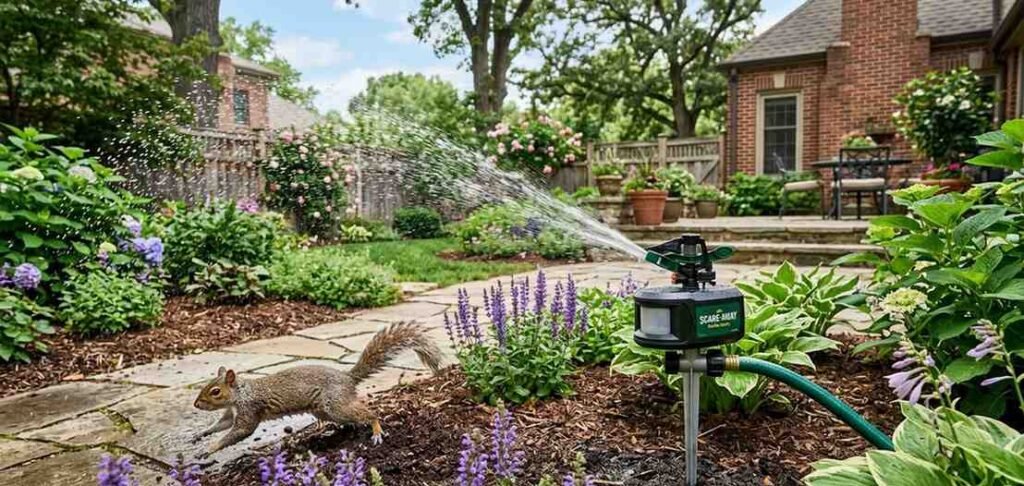
One of the best investments for protecting your lawn from any wildlife is a motion-activated sprinkler. These devices hook up to your standard garden hose and use an infrared sensor to detect movement. When a squirrel runs across the grass, the sprinkler shoots a harmless but sudden burst of water at them. The noise and the water startle the squirrel, teaching them that your lawn is not a safe place to forage. It works beautifully without causing any physical harm.
3. Provide an Alternative Food Source
Sometimes, the easiest way to stop a squirrel from digging up your grass is to simply give them what they want. If they are hungry, they will forage. By setting up a dedicated squirrel feeding station far away from your prized lawn, you can redirect their attention. Fill a feeder with dried corn cobs, unsalted peanuts, and black oil sunflower seeds. Once they realize there is an easy, plentiful food source available, they will stop wasting energy digging through your grass.
4. Let Your Grass Grow a Little Longer
Squirrels prefer to dig in areas where the soil is easily accessible and not overly tangled with thick roots. If you cut your grass extremely short, you are exposing the soil and making their job easier. By raising your lawnmower blade and letting the grass grow an inch or two taller, you create a natural barrier. Thicker, taller grass makes it harder for them to dig holes and makes them feel vulnerable to predators. It is a simple, free adjustment that can significantly reduce lawn damage.
When Should You Call a Professional?
In most cases, a few squirrels passing through your yard and nibbling on grass is nothing to worry about. They are a natural part of the suburban ecosystem and generally keep to themselves. However, there are times when a squirrel population can explode, leading to overwhelming property damage. If your lawn looks like a minefield and deterrents are not working, it might be time to seek help.
You should contact a humane wildlife removal specialist if the squirrels start causing structural damage to your home. If they are chewing through your irrigation lines to get water, or trying to dig under your foundation, it is a serious issue. Professionals can safely trap and relocate the animals to a more suitable forest environment. Always ensure that the company you hire follows local wildlife laws and uses humane, no-kill methods.
Living in Harmony with Backyard Squirrels
So, do squirrels eat grass? As we have discovered, the answer is a qualified yes. While they are not grazing the lawn like livestock, they will occasionally eat grass shoots for moisture, dig up roots for energy, or soothe an upset stomach. More often than not, the damage you see in your yard is a result of their relentless urge to bury and retrieve their winter food supply. Understanding these natural behaviors takes the mystery out of their actions.
By knowing exactly what they are looking for, you can take smart, humane steps to protect your property. Using natural repellents, adjusting your mowing height, or setting up a decoy feeder can save your lawn from their tiny claws. Ultimately, squirrels are fascinating, highly adaptable creatures that bring life and energy to our neighborhoods. With a little patience and the right strategies, you can maintain a beautiful, green lawn while still enjoying the wildlife right outside your window.