What Animals Eat Bermuda Grass? A Complete Grazing & Wildlife Guide
If you own land, you probably have a love-hate relationship with Bermuda grass. For suburban homeowners, it can be an invasive weed that relentlessly creeps into flower beds and gardens. However, for farmers and homesteaders, this hardy, drought-tolerant plant is an absolute goldmine. It is one of the most reliable and nutrient-dense warm-season grasses available. This naturally leads to a very common question: what animals eat Bermuda grass?
Understanding the dietary habits of animals can help you better manage your pastures, protect your lawns, or feed your livestock more efficiently. The truth is, a surprisingly wide variety of creatures rely on this fast-growing grass for survival. From massive grazing cattle to tiny backyard insects, this grass serves as a foundational food source in many ecosystems. In this comprehensive guide, we will break down exactly which animals consume it.
We will explore the livestock that thrive on it, the wildlife it attracts, and even the pests that can destroy it. Furthermore, we will dive into the nutritional value of this grass and why it makes such excellent hay. Whether you are managing a hundred-acre cattle ranch or just trying to keep rabbits out of your front yard, you are in the right place. Let’s dive into the fascinating world of grazing and discover what animals eat Bermuda grass.
What Makes Bermuda Grass So Popular for Grazing?
Before we list the animals, it is important to understand why this specific grass is so widely consumed. Bermuda grass (Cynodon dactylon) is a warm-season perennial grass known for its incredible resilience. It thrives in hot, sunny climates and can survive prolonged periods of drought. This makes it a staple in the southern United States, parts of Africa, Australia, and South America.
For animals, this grass is highly palatable when it is young and tender. As it grows, it forms a dense mat that can withstand heavy hoof traffic from large herds. It also recovers quickly from intense grazing, meaning animals can return to the same pasture multiple times in a single season. Depending on the soil quality and fertilization, it can provide a very high yield of forage.
There are also many different varieties of this grass bred specifically for animal consumption. Varieties like Coastal, Tifton 85, and Russell yield massive amounts of hay and offer superior nutrition. Because it is so abundant and easy to grow, it naturally attracts a wide array of herbivores. Let’s look at the primary livestock species that rely on it.
Top Livestock That Eat Bermuda Grass
When asking what animals eat Bermuda grass, livestock is usually the first category that comes to mind. Farmers have used this plant for generations to sustain massive herds. It provides bulk, fiber, and essential calories during the hot summer months when cool-season grasses die off.
Cattle and Cows: The Ultimate Grazers
Cattle are the primary consumers of this tough grass across the globe. Beef cattle, in particular, can thrive almost entirely on a well-managed Bermuda pasture. Their complex, four-chambered stomachs are perfectly designed to break down the fibrous material found in mature grass. During the peak summer growing season, a healthy pasture can support a high stocking rate of cows.
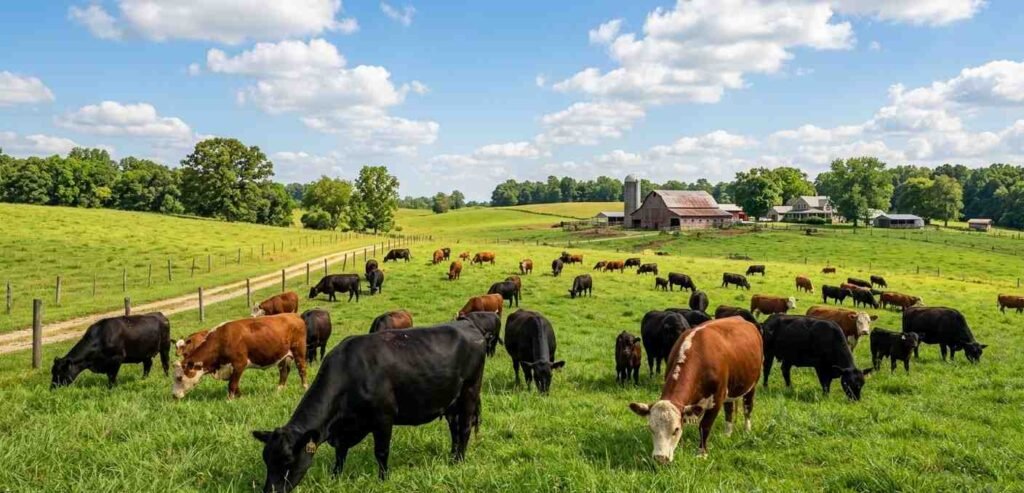
Dairy cows also eat it, though they often require supplemental nutrition. Because dairy cows produce massive amounts of milk, they need incredibly high protein and energy levels. While excellent quality Bermuda hay can support dairy cows, it is usually mixed with alfalfa or grain. However, for growing heifers and dry cows, this grass is an absolute staple.
Horses and Equine Diets
Horses absolutely love this grass, both fresh in the pasture and dried as hay. Coastal Bermuda hay is one of the most popular and affordable feeds for horses in the southern United States. It provides moderate protein and energy, making it perfect for adult horses in light to moderate work. Because it is fine-stemmed, horses find it very easy to chew and digest.
However, horse owners must manage how they feed this specific grass. Because the stems are so fine, poor-quality or overly mature hay can sometimes cause impaction colic in horses. This happens when the dense material blocks the horse’s digestive tract. To prevent this, owners should ensure their horses have access to plenty of fresh, clean water. Rotating pastures and feeding high-quality, early-cut hay also mitigates this risk.
Sheep and Goats: The Picky Eaters
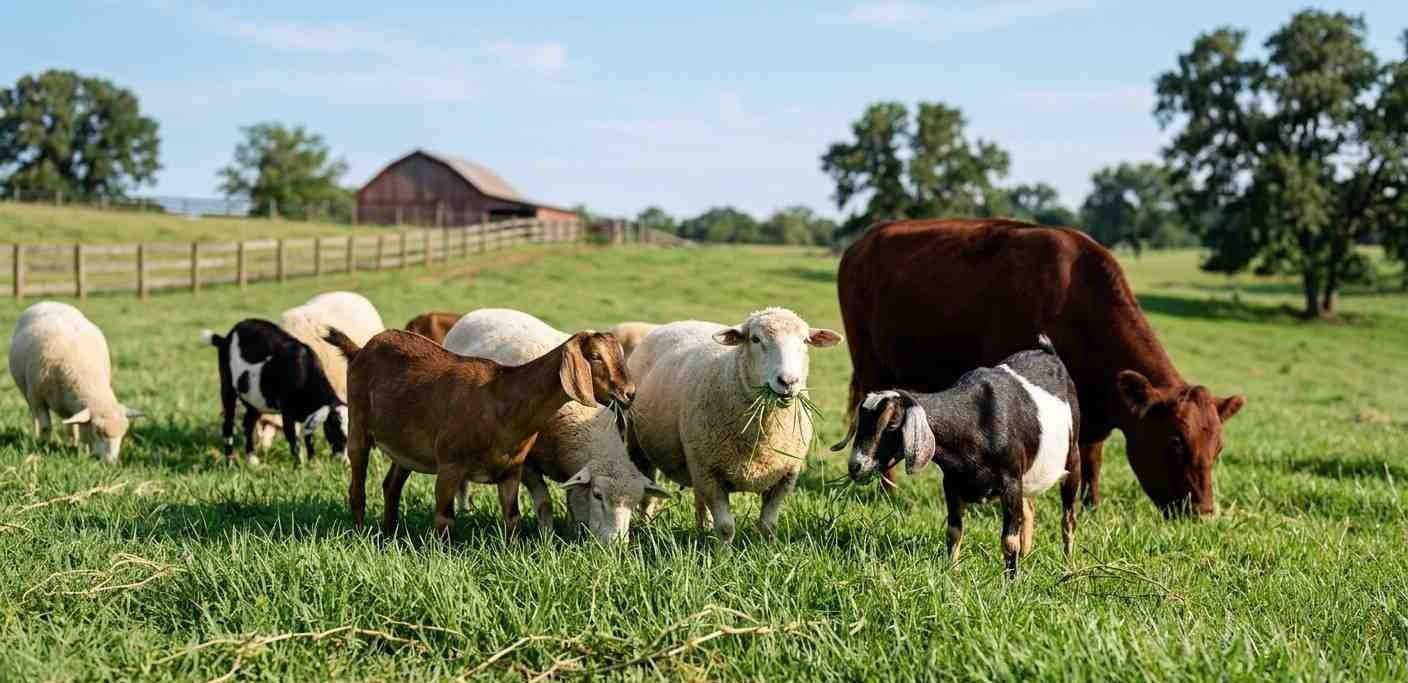
Sheep and goats are natural foragers, and they will gladly consume this grass when it is available. Sheep are primarily grazers, meaning they prefer to eat close to the ground. They do exceptionally well on these pastures, especially in the spring and early summer when the shoots are tender. The dense root system of the grass holds up well to the close-cropping bite of a flock of sheep.
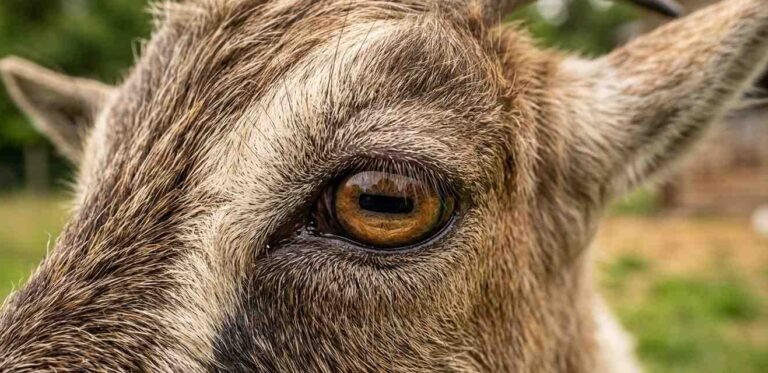
Goats, on the other hand, are technically “browsers” rather than grazers. They prefer to eat broadleaf weeds, brush, tree leaves, and vines over standard pasture grass. However, if brush is unavailable, goats will absolutely eat Bermuda grass. It provides them with adequate fiber and keeps their rumens functioning properly. Many farmers use sheep and goats alongside cattle in a rotational system to keep pastures perfectly manicured.
Alpacas and Llamas
Though less common than traditional livestock, alpacas and llamas are gaining popularity on small homesteads. These camelids are highly efficient grazers and do very well on warm-season pastures. They have a split upper lip that allows them to selectively graze the most nutritious parts of the plant. Bermuda grass provides an excellent, low-sugar forage base that keeps these animals healthy without making them obese.
Do Poultry and Birds Eat Bermuda Grass?
While we usually associate grazing with four-legged mammals, birds are also enthusiastic consumers. If you allow poultry to free-range on your property, you have likely seen them interacting with the lawn. While they lack teeth to chew tough fibers, they have their own unique ways of utilizing the plant.
Backyard Chickens and Turkeys
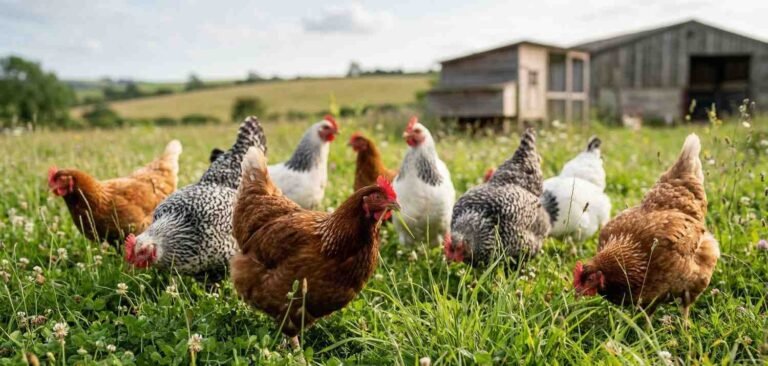
Chickens will actively eat the tender, young tips of the grass blades. They swallow the pieces whole, using the grit in their gizzards to grind up the plant material. Consuming this green forage is incredibly beneficial for laying hens. The beta-carotene in the fresh green grass translates directly to rich, dark orange egg yolks.
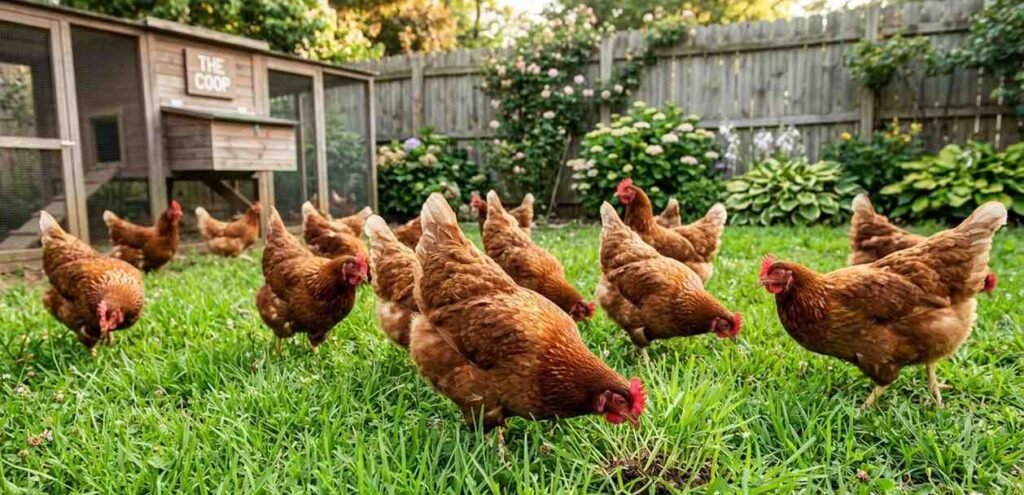
Turkeys are even more aggressive foragers than chickens and will consume a larger volume of pasture grass. They love to strip the seed heads off the mature grass during the late summer. Furthermore, the dense grass provides a habitat for bugs, ticks, and grasshoppers. Often, when chickens and turkeys are scratching through the grass, they are actually hunting the insects hiding within it.
Geese and Ducks
Geese are arguably the most efficient grazing birds on the planet. Unlike chickens, geese have serrated edges on their bills that act like teeth. This allows them to rip and shear grass blades effortlessly. A small flock of geese can actually keep a Bermuda grass lawn trimmed down like a lawnmower!
Ducks will also eat the grass, though not in the same massive quantities as geese. Ducks prefer to forage in wet, muddy areas, but they will waddle into the pasture to nibble on tender shoots. For all poultry, having access to fresh grass reduces their reliance on commercial feed. It lowers your feed bill and produces healthier, happier birds.
Wild Animals Attracted to Bermuda Grass
If you live in a rural or semi-rural area, your lawn or pasture is an open buffet for local wildlife. While farmers plant this grass intentionally, wild animals view it as a naturally occurring food source. If you are wondering what wild animals eat Bermuda grass, the list is quite extensive.
Deer and Their Foraging Habits
White-tailed deer and mule deer are frequent visitors to open pastures. Deer are technically browsers, meaning they prefer the leaves of trees, shrubs, and flowering weeds (forbs). However, during the early spring when the grass first greens up, deer will eagerly graze on it. The new shoots are packed with protein and easily digestible sugars.
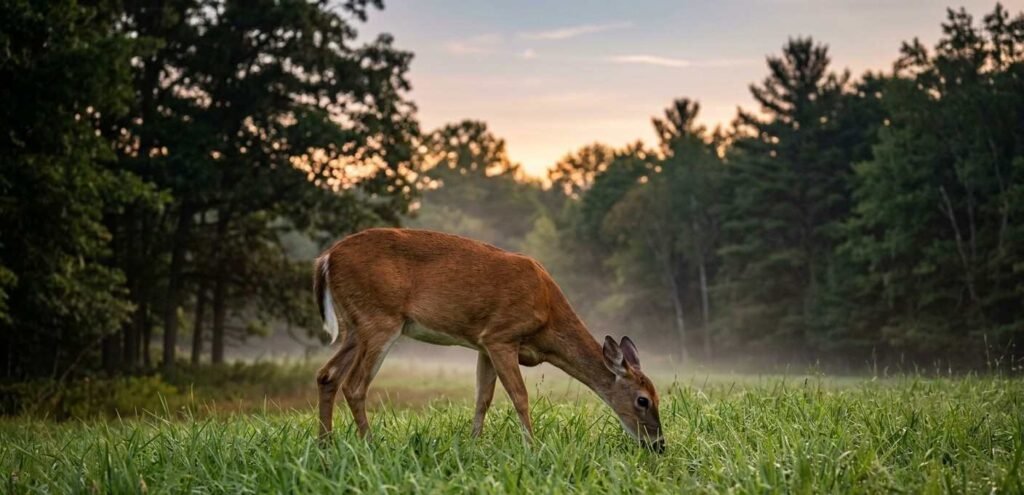
As the summer progresses and the grass becomes tougher and more fibrous, deer usually move on to other food sources. They generally avoid mature, brown, or dormant grass because their stomachs cannot process tough fiber as efficiently as a cow’s can. But if you have a heavily fertilized, freshly mowed pasture, expect to see deer at dawn and dusk.
Wild Rabbits and Hares
Wild rabbits are notorious for ruining manicured lawns, and they absolutely love this type of grass. Because they are low to the ground, they prefer the sweet, tender shoots found right at the soil level. Rabbits have constantly growing teeth, and grazing on fibrous grasses helps them grind their teeth down naturally.
If you have a heavy rabbit population, you might notice small patches of your lawn chewed completely down to the dirt. They are particularly active in the early morning and late evening. While a few rabbits won’t harm a massive pasture, they can be a serious nuisance for suburban homeowners trying to maintain a perfect yard.
Wild Hogs and Feral Swine
Feral hogs are a massive problem in many parts of the southern United States. While they don’t graze grass like a cow does, they are heavily attracted to Bermuda pastures. Hogs are omnivores and love to root through the soil using their strong snouts. They are usually digging for the thick, fleshy rhizomes (root runners) of the grass, as well as grubs hiding beneath the surface.
When wild hogs move through a pasture, they don’t just eat the plant; they destroy it. They leave deep, dangerous ruts in the ground that can injure livestock and damage farm equipment. Even though the grass is resilient and will eventually grow back, hog damage requires immediate management to keep pastures safe.
Do Household Pets Eat It?
It might surprise you to learn that your indoor companions also casually partake in grazing. While they are carnivores by nature, dogs and cats will occasionally chew on lawn grass.
Dogs and Cats
Many dog owners have witnessed their pets aggressively chewing on grass and then subsequently vomiting. While the exact reason isn’t entirely agreed upon by veterinarians, there are a few theories. Some dogs eat grass to soothe an upset stomach, purposely inducing vomiting to clear out something they shouldn’t have eaten. Others may do it simply because they are bored or lacking certain fibers in their diet.
Cats will also nibble on grass blades. In the wild, eating grass helps cats purge hairballs from their digestive tracts. Because this grass is so common in yards, it is frequently the grass your pets will target. Fortunately, the grass itself is entirely non-toxic to dogs and cats. The only danger arises if the grass has been recently treated with chemical fertilizers or toxic weed killers.
Insects and Pests That Devour Bermuda Grass
When asking what animals eat Bermuda grass, we cannot ignore the invertebrate kingdom. In fact, insects can consume more pasture volume in a shorter time than a herd of cattle! Managing these pests is a full-time job for turf managers and farmers alike.
Fall Armyworms
The fall armyworm is the absolute worst enemy of this type of grass. These caterpillars travel in massive “armies,” sweeping across fields and devouring everything in their path. They prefer the tender, green leafy parts of the plant and will leave the tough stems behind. A heavy infestation can turn a lush, green fifty-acre pasture into a brown wasteland in less than 48 hours.
Farmers must scout their fields regularly during the late summer and early fall. If armyworms are spotted, swift application of targeted insecticides is necessary to save the hay crop. Because they feed so quickly, waiting even one extra day can result in total crop loss.
Mole Crickets and White Grubs
Mole crickets do their damage mostly underground. They tunnel through the soil, severing the grass roots and eating the tender underground shoots. This causes the grass above ground to turn yellow, dry out, and die. You will often notice their presence by the spongy feel of the soil and small mounds of dirt pushed up to the surface.
White grubs, which are the larval stage of various beetles (like the June bug), also live in the soil. They feed heavily on the root system of the grass. When grub damage is severe, the root system is completely destroyed, and the grass can be rolled back like a piece of living room carpet. Skunks, raccoons, and armadillos will often dig up your lawn trying to hunt and eat these exact grubs.
The Nutritional Value of Bermuda Grass for Animals
Crude Protein (CP) Levels
Protein is the most expensive component of an animal’s diet, making high-protein forage incredibly valuable. The crude protein content of this grass varies wildly depending on its age and how it is fertilized. Young, tender shoots heavily fertilized with nitrogen can boast protein levels between 14% and 18%. This is more than enough to support growing calves and lactating animals.
Digestibility and Fiber
Livestock rely on Total Digestible Nutrients (TDN) to measure the energy value of a feed. High-quality Bermuda grass has a TDN of around 55% to 60%. It contains a high amount of neutral detergent fiber (NDF) and acid detergent fiber (ADF).
- NDF gives the animal a feeling of “fullness.”
- ADF determines how easily the animal can digest the plant.
As the summer temperatures soar, the plant creates more lignin (woodiness) to stand tall and retain water. This lignin lowers digestibility. Therefore, rotational grazing is critical; it forces animals to eat the grass while it is young, leafy, and highly digestible, rather than waiting until it becomes woody and tough.
Bermuda Grass Hay vs. Fresh Pasture
Animals eat this grass in two primary forms: standing in the field (pasture) or dried and baled (hay). Both methods have their pros and cons for animal health and farm management.
The Benefits of Fresh Grazing
Allowing animals to harvest their own food is the cheapest way to feed them. Fresh pasture has a high water content, which helps keep animals hydrated during the blazing summer heat. Fresh grass also contains high levels of vitamins, specifically Vitamin A and Vitamin E, which begin to degrade once grass is cut and dried.
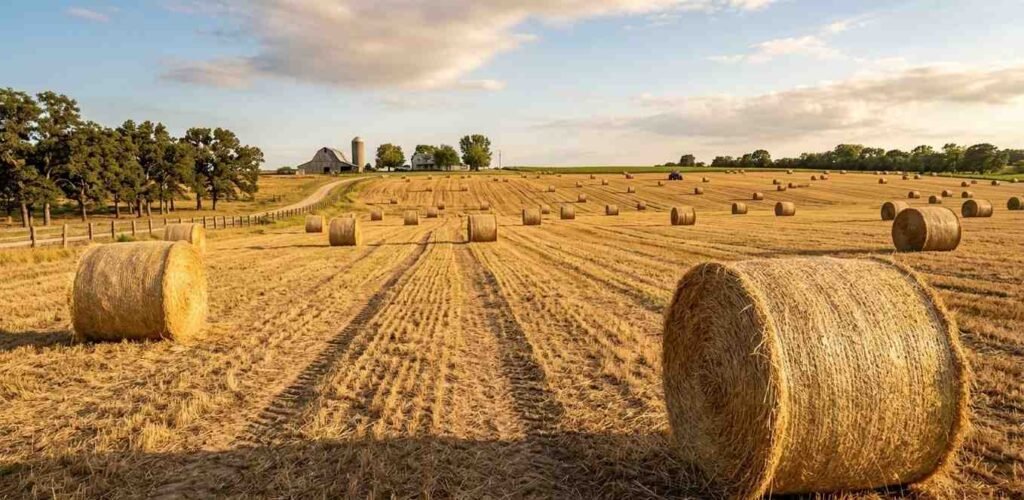
The downside of fresh grazing is that it is seasonal. Once the first hard frost of the winter hits, the grass goes dormant, turning brown and losing most of its nutritional value. During the winter, animals can still eat the dormant grass as “standing hay,” but they will strictly need protein supplements to survive.
The Importance of Baled Hay
Cutting and baling the grass allows farmers to capture the nutrition of summer and store it for the winter. Varieties like Tifton 85 produce incredibly tall, thick stands that are perfect for making square or round bales. Good hay should be pale green, smell sweet, and be free of dust and mold.
Potential Health Risks for Grazing Animals
While this grass is generally safe and highly nutritious, there are a few risks that livestock owners must be aware of. Proper management usually mitigates these issues entirely.
Prussic Acid and Nitrate Toxicity
Some forage grasses, like Johnsongrass or Sorghum, carry a heavy risk of Prussic Acid poisoning after a frost. Fortunately, Bermuda grass does not produce Prussic Acid, making it incredibly safe to graze immediately after a freeze.
However, it can occasionally pose a risk of Nitrate Toxicity. If a farmer applies a massive amount of nitrogen fertilizer, and the region is immediately hit by a severe drought, the plant will pull the nitrogen into its lower stems but stop growing. If hungry cattle are turned out onto this drought-stressed grass, the sudden influx of nitrates can be toxic. Testing the forage during severe droughts is always a recommended best practice.
How to Manage Bermuda Grass for Maximum Yield
If you are growing this grass specifically to feed animals, you must treat it like a cultivated crop, not just a wild weed. Proper management guarantees a healthy root system and abundant, nutrient-dense leaves.
Soil Testing and Fertilization
This grass is a heavy feeder. It absolutely craves nitrogen, potassium, and phosphorus. To maximize the forage you produce for your animals, you should conduct a soil test every single spring. The soil pH should ideally be kept between 6.0 and 6.5. If the soil becomes too acidic, the grass cannot absorb the fertilizer you apply, stunting its growth. Applying lime during the winter months is the standard method for correcting soil acidity.
Implementing Rotational Grazing
Allowing animals to continuously graze one massive pasture is inefficient. They will eat the most tender shoots repeatedly, eventually killing the plant, while ignoring the mature, tougher patches. To prevent this, successful farmers use rotational grazing.
- Divide the large pasture into several smaller paddocks using electric fencing.
- Place a high density of animals in one paddock for 3 to 7 days.
- Move the animals to the next paddock.
- Allow the grazed paddock to rest for 21 to 28 days before the animals return.
This system forces the animals to eat evenly and gives the grass ample time to rebuild its energy reserves and push out new, highly nutritious leaves.
Weed Control
While livestock will eat some weeds, many weeds are toxic or simply take up valuable space. Broadleaf weeds compete with your grass for water, sunlight, and nutrients. Using selective herbicides (which kill broadleaf weeds but do not harm the grass) in the early spring can ensure a pure stand of forage. Always read the herbicide label to ensure you follow the correct grazing withdrawal periods so your animals stay safe.
Frequently Asked Questions (FAQs)
Q: Do rabbits eat Bermuda grass?
Yes. Wild rabbits will readily eat the young, tender shoots of the grass. They can chew it down to the dirt, which is frustrating for lawn owners but perfectly natural behavior for the rabbit.
Q: Can sheep survive on Bermuda grass alone?
During the peak growing season of spring and summer, yes. A high-quality, fertilized pasture provides enough protein and energy for mature sheep. However, during winter or drought, they will need supplemental hay and grain.
Q: Why do farmers prefer Coastal Bermuda over Common Bermuda?
Common Bermuda is a low-growing variety that spreads vigorously by seed and runners. It is great for lawns. Coastal is a hybrid that grows much taller, producing up to twice the volume of hay per acre. It does not produce viable seeds and must be planted via vegetative sprigs.
Q: Will deer eat brown, dormant Bermuda grass?
Generally, no. Deer lack the massive rumens of cattle and cannot digest tough, woody, dormant grass efficiently. They will abandon dormant pastures in search of evergreen brush, acorns, and winter forbs.
Conclusion
So, what animals eat Bermuda grass? The answer encompasses almost the entire spectrum of herbivores. From giant beef cattle and galloping horses to scratching chickens and tiny wild rabbits, this plant serves as a cornerstone of nutrition. Its ability to thrive in sweltering heat and survive severe droughts makes it an invaluable resource for agriculture and wildlife alike.
If you are a livestock owner, treating your pasture with respect—through rotational grazing, proper fertilization, and weed control—will yield thousands of pounds of high-quality feed for your animals. If you are a homeowner, understanding that this grass is a natural food source might help you be a bit more forgiving of the wildlife visiting your yard. Ultimately, Bermuda grass is far more than just a turf for golf courses and front lawns; it is the vital, green engine that fuels the animal kingdom in warm climates all over the world.