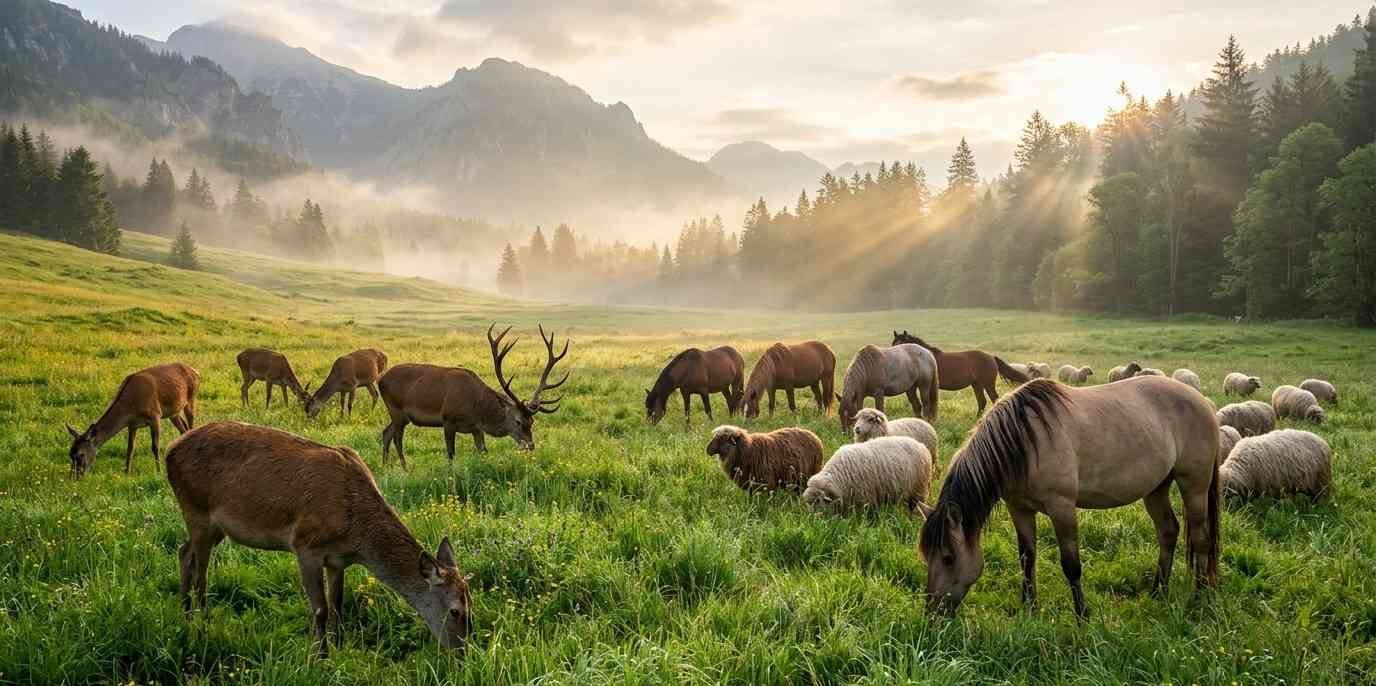
What Animals Only Eat Grass? A Complete Guide to Nature’s Grazers
Have you ever looked out across a green meadow and wondered how certain animals can thrive on nothing but plain grass? It’s hard to believe that such a simple common plant can keep such gigantic creatures that weigh thousands of pounds alive. When people inquire what animals just eat grass , they are frequently shocked to discover how intricate this diet is . Grass is incredibly hard, very harsh and very hard to digest, being full of silica. But a select few species have evolved to be masters of this green smorgasbord.
These amazing animals are called “graminivores” in scientific speak, which is just a fancy way of saying grass eaters. They are specialist herbivores that feed almost solely on grasses for fuel. Grass does not have much fat and protein thus these animals have to spend most of their waking hours merely feeding to survive. So what creatures consume solely grass? Let’s go deep into the animal realm to find out. We’ll learn about their unusual biology, what they do every day and the creative ways their bodies deal with this fibrous diet.
What is the Graminivore Diet?
But before we look at the animals, we need to understand what makes eating grass so difficult. Grass leaves include a structural ingredient called cellulose that most animal stomachs just can’t digest. For example , humans can not derive any nutritional value from consuming grass at all . This diet requires animals to have very specialized teeth and intricate digestive systems to survive. They also need very strong jaws to chew tough plant fibers all day long.
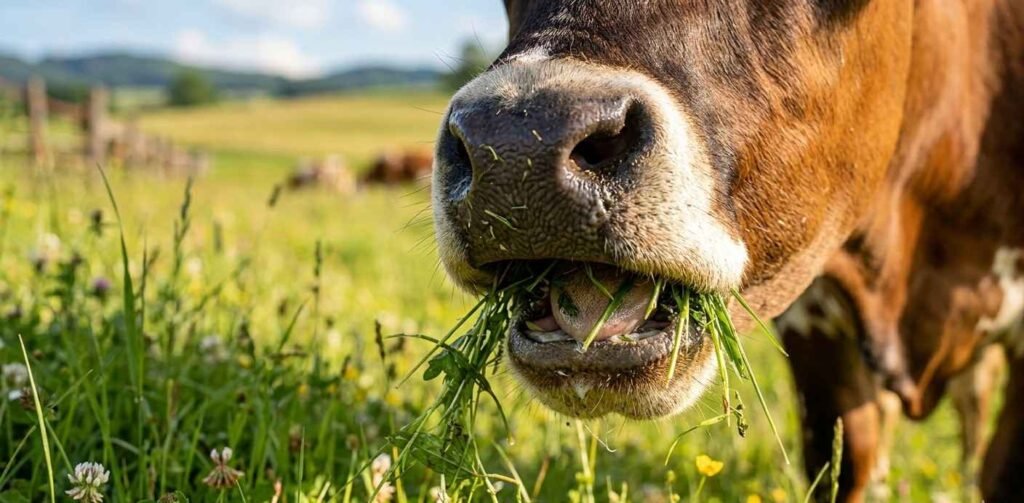
These animals have developed broad, flat teeth that are ideal for crushing and grinding rather than shredding flesh. Many also have no upper front teeth at all, and rely instead on a hard dental pad to rip grass from the ground. Their digestive tracts are essentially giant fermentation vats where billions of microorganisms break down the cellulose. And without this special partnership with intestinal flora, these animals would die of starvation. It’s a fantastic evolutionary adaption, allowing them to feast on a food source readily available around the globe.
Top Animals That Eat Only Grass
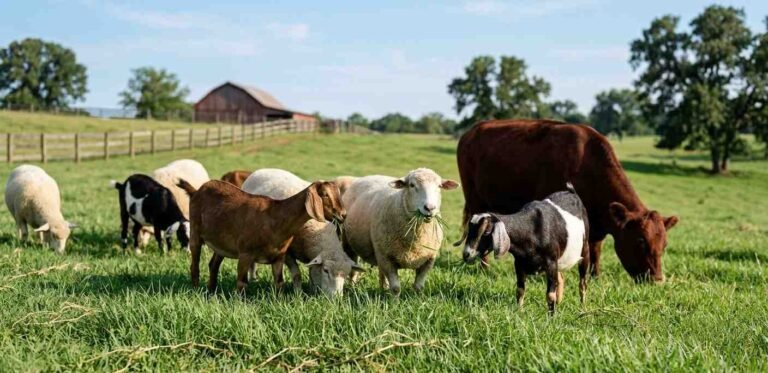
We see a combination of wild monsters and domestic farm animals when we look at what animals just eat grass. All these animals have evolved to their particular environment, whether it is a lush farm or an arid savanna. Take a closer look at our planet’s most famous grass-eaters.
1. Cows and cattle
But when you picture grass-eaters, cows are perhaps the first animals that come to mind. They are the ideal grass mowers. They can spend up to eight hours a day just eating grass. A cow can eat about 40 pounds of fresh plants in a day. To deal with all this food, cows have a particular four-chambered stomach. This intricate system enables them to extract all the nourishment they can from their green meals.
Cows don’t chew grass all the way up . They swallow it whole and hold it in their rumen . Later they relax and regurgitate the partially digested grass, called cud, and chew it again. This mechanism breaks down the tough plant fibers so the bacteria in their stomach can digest them properly. Cows eat only pasture grasses, like Bermuda, fescue and ryegrass. They degrade rapidly in health when they don’t have access to good quality grass or hay.
2. Horses
Horses are committed grass eaters yet unlike cows they don’t have four stomachs. This means the bacterial digestion of the grass takes place in the latter part of their digestive tract, in the cecum. Cows digest their food slower than a horse . Horses have to eat virtually all the time . To accommodate their enormous energy needs, they graze for up to fifteen hours a day.
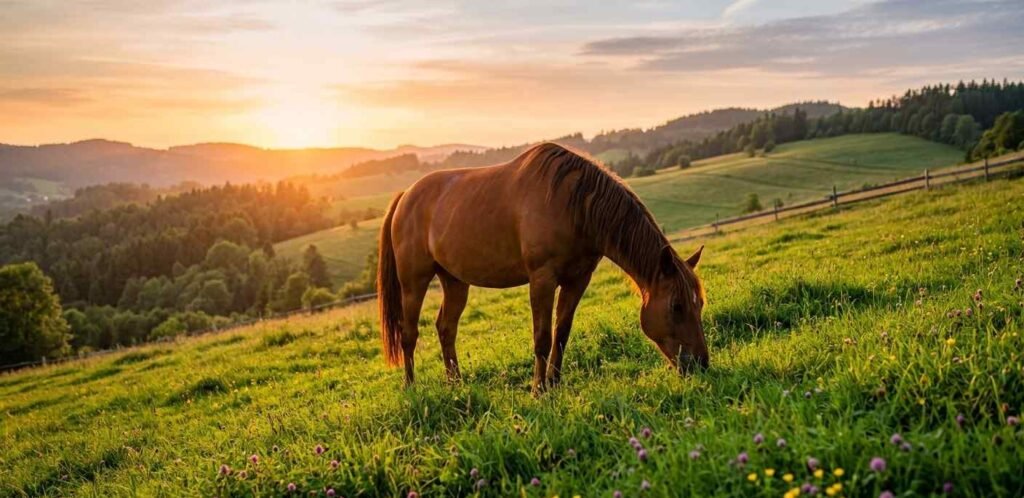
Horses pick for the tastiest blades of grass with their sensitive, very flexible lips. Then they bite the grass cleanly off at the root with their keen front teeth. Horses have only one stomach. Drastic action with a horse’s diet, such as suddenly feeding too much lush spring grass, can be highly harmful. So for their life, the very ideal diet is a slow constant consumption of grass and hay.
3. Zebra
The zebra is a typical example of a wild herbivore that has moved to the untamed African savanna. Zebras are pioneer grazers, meaning that they are generally the first animals to visit an area of tall, mature grass. With their sharp teeth they chew off the stiff, nutrient-poor tops of the grass stalks. This offers potential for other species who prefer the shorter, more sensitive shoots. This ensures a magnificent equilibrium between the different herbivore species on the plains.
Zebras are hindgut fermenters like domestic horses, which helps them to quickly consume vast amounts of low-quality food. This adaptability is important in the dry season when good quality grass is limited. They have to consume vast amounts of dry grass to maintain their weight. The main reason zebras undertake vast annual migrations is their relentless search for fresh grass. They are always on the go, chasing the season’s rains that bring new green shoots.
4. White Rhinoceros
If you want to know which animals eat tons of grass, you will need to know about rhinoceros. White rhinos can appear intimidatingly big yet are friendly grazers with a strong exterior. They are specialized feeders on short grasses, which comprise about 100% of their diet. You can tell a grass munching rhino by the curve of its mouth. White rhinos have wide, square lips that work like a gigantic lawn mower.
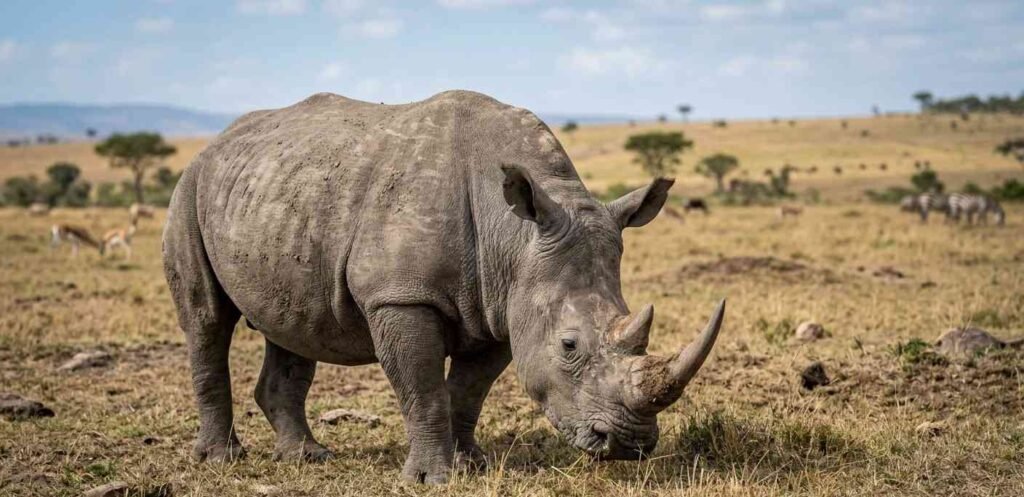
These huge animals may weigh up at over 5,000 pounds so they have to eat hundreds of pounds of grass every day. As they walk, with their heads naturally bent down, they move their broad mouths back and forth. They enjoy the short, sweet grasses that grow in the wake of bushfires, or where other animals have recently grazed. They have huge digestive systems , which ferment the grass long enough that they can extract sufficient energy to sustain their massive bodies . Unfortunately, habitat degradation is decreasing the grassy plains on which they depend for their rigorous diet.
5. Hippopot. Hippopotami
You may think of a hippo as a river-dweller, but they are strictly terrestrial grazers, eating only grasses on land. Hippos are nocturnal grazers and leave the protection of the water at dusk to forage for food. Every night they would go several miles inland looking for their favorite feeding areas. Despite their bulk, they are quite discriminating feeders and prefer short, fine grasses. Their lips are big and muscular and they use them to grip the grass and pull it from the dirt.
Interestingly, hippos don’t eat with their giant, scary teeth. The great tusks are only used for fighting and defending their area. A hippo will eat about 80-100 lbs of grass in one night and then go back to the water. Their grazing habits create unique, flat trails along the riverbanks known as “hippo lawns.” Their lifestyle is so energy-efficient during the day that they actually eat shockingly less than other animals their size.
6. Sheep
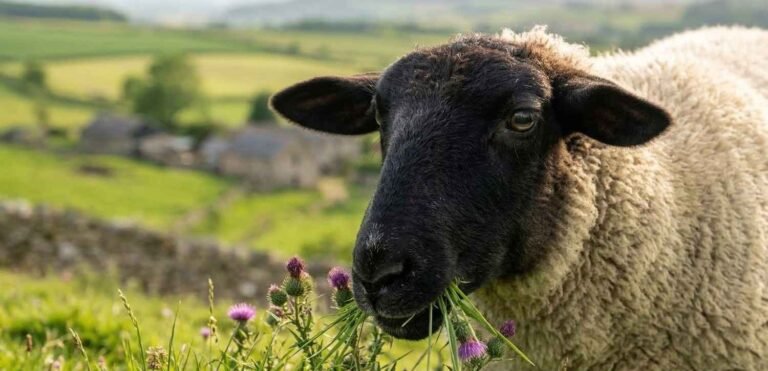
Sheep are very effective grazers and thrive on grass, clover and other tiny pasture plants. They have a cleft upper lip, which permits them to graze far closer to the ground than cattle can. Sheep may thrive on pastures where horses and cows would starve, since they eat the grass down to the roots. Sheep, like cattle, are ruminants, chewing their cud to digest stiff plant walls. This enables them to take advantage of quite poor brush and grass.
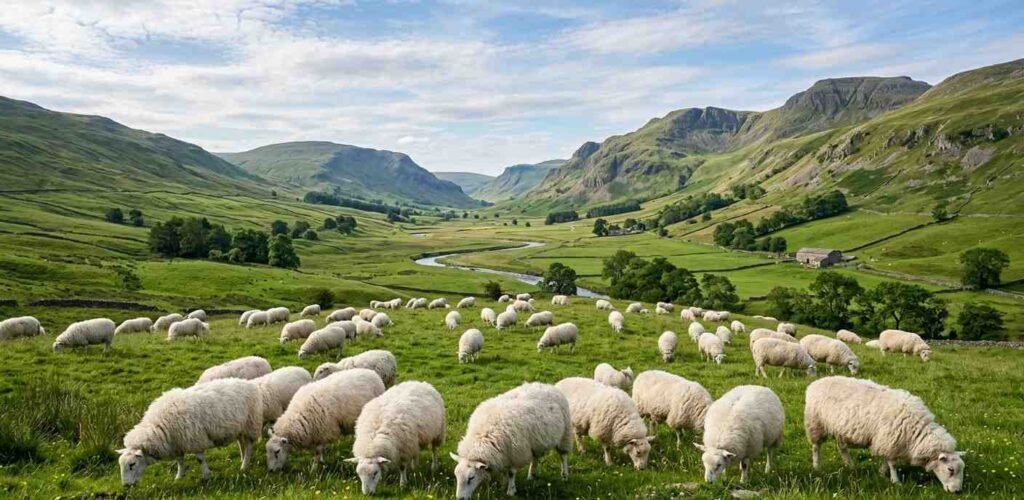
Farmers have to keep an eye on sheep so they don’t wreck a pasture, since they graze so close. If sheep stay in one place too long they will pull out the roots and the grass will not come back. They are very resilient animals and can live in rough mountainous places where only stiff wiry grasses are found. Their amazing digestive system turns this simple plant food into energy, milk and their famed wool.
7. Roo’s
In Australia, we have a pretty special grass-eater – the kangaroo. They might not look anything like cows or horses but their food is quite very similar. The larger species of kangaroos, such as the Eastern Grey and Red Kangaroo, are all strict grazers. They feed on native Australian grasses in the early mornings and late evenings. In the heat of the midday sun they relax in the shade, conserving energy and digesting their food.
The kangaroo has a very sophisticated chambered stomach, similar to the cow’s ruminant system. But kangaroos make a different kind of waste gas instead of making vast quantities of methane gas like cattle do. This makes them very efficient and environmentally beneficial grazers. Their teeth are uniquely adapted to glide forward and replace themselves as the rough grass wears them down. So they always have keen teeth to cut the thick dry plants of the Australian outback.
8. Capybara
The capybara is the world’s largest rodent, and it’s happiest when munching on some nice grass. These semi-aquatic creatures are native to South America and spend their days among rivers, ponds and marshes. Their food is made up almost exclusively of grasses and water plants. In the wet season they consume short, dry grasses, but when the water level falls they go to taller reeds. Like other rodents, their front teeth never stop growing thus continual grazing helps grind them down to a tolerable size.
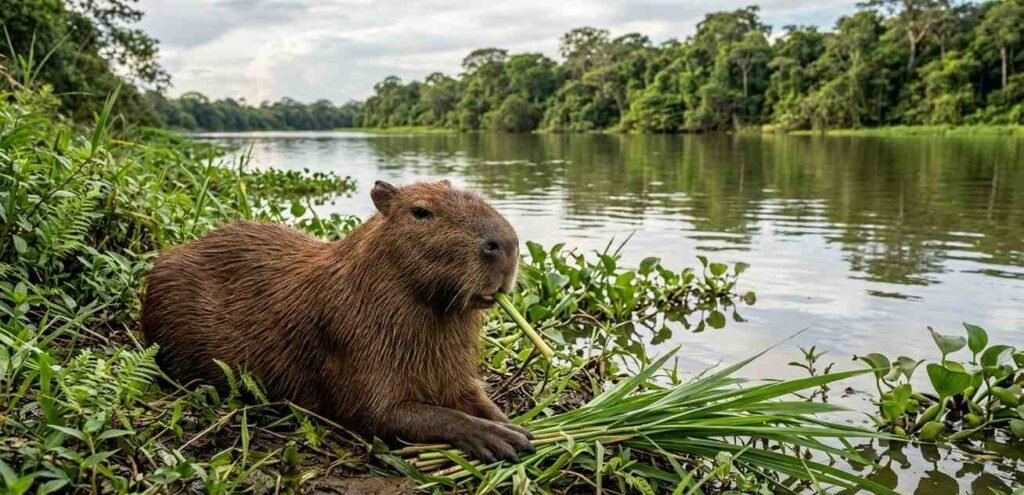
Capybaras have a really unusual (and sometimes nasty) manner of making the most of their grass digestion. They are coprophagic, eating their own morning droppings. Inside these soft droppings are helpful microorganisms and partially digested grass. The capybara eats them so it may digest the food a second time and obtain every nutrient and protein from it. It is a very effective way to subsist on a diet that is naturally deficient in rich nutrients.
How Do Grass-Eating Animals Get Their Food Digested?
Knowing which animals consume solely grass is knowing how their bodies really handle the food. Eating grass is one thing. Turning it into energy is a biological wonder of another order. Mammals lack the enzymes required to break down cellulose, the primary constituent of plant cell walls. So nature came up with two major digestion solutions: the ruminant system and the hind gut fermentation system.
Ruminants (The Cud Chewers)
Examples of ruminants are cows, sheep, goats, and deer. They have a stomach with four different compartments: rumen, reticulum, omasum and abomasum. They eat grass, and it goes straight to the rumen, a vast chamber full of fluids and billions of bacteria. These microorganisms digest the grass, converting the stiff fibers into useable fatty acids.
Hindgut Fermenters
Horses, zebras, rhinos and elephants are all hindgut fermenters. Instead of a multi-chambered stomach, these animals have a basic, single-chambered stomach much like we do. But their secret weapon is farther down the digestive track, in a huge organ called the cecum. Once they have passed through the stomach, the plant fibers enter the cecum, a big fermentation vat, where the bacteria assault. This mechanism is a little slower than ruminant digestion but allows these animals to process food considerably faster.
The Grazing Animal as an Ecological Agent
Animals that consume just grass serve a huge role in keeping our planet healthy. Without grazing animals, untamed grasslands and savannas would soon become overgrown and unhealthy. When grasses grow too tall and mature, they prevent sunlight from reaching new shoots, suffocating the ecology. Herbivores keep the place green and lively by cutting the grass regularly and encouraging new growth to occur.
And on top of that, they are the ultimate recyclers of nature. They travel and graze and leave behind them manure, which is in effect a well processed natural fertiliser. It is rich in nitrogen and decomposes rapidly, enriching the soil. This cycle of nutrients means the grass will grow back larger and more nutritious for the next generation of animals. Their grazing habits also help to prevent big, devastating wildfires by keeping the dry brush levels low.
Why Don’t These Animals Eat Meat or Other Plants?
It’s often asked why these animals seldom eat meat, or a greater variety of vegetation. The answer is just millions of years of evolutionary adaption. Their teeth, jaws and digestive systems are so adapted for grinding and digesting grass, that consuming meat would make them sick beyond belief. They just don’t have the stomach acid and biological enzymes needed to safely breakdown animal protein.
Overdoing it on rich fruits, grains or soft leafy greens can cause serious stomach problems. For example, overfeeding a horse acclimated to grazing might produce serious life-threatening imbalances of stomach acids. Their bodies crave high fiber, low sugar and frequent chewing. Rich, calorie-dense foods disrupt the fragile equilibrium of intestinal flora that they need to exist. A rigorous grass diet is not a choice for a graminivorous animal, but a biological requirement.
The Perils of Grass-Eating Animals
Grass is found all across the world, yet many wild grass-eating creatures are in real danger of extinction. Rapid conversion of wild grasslands and savannas to commercial farms has been caused by human agricultural expansion. This loss of habitat reduces the quantity of natural grazing land accessible to animals such as wild rhinos, zebras and some kinds of kangaroo. When their native grazing range is destroyed, these animals are pushed into smaller regions where overgrazing and hunger are common.
Climate change is also changing the patterns of seasonal rain on which these creatures depend. Long droughts dry off the savanna and limit the growth of the fresh grass these animals require to survive. Animals that migrate hundreds of miles in search of fresh pastures are finding dry, barren areas where grass formerly grew. If we are to save these amazing grazing species for future generations, it is vital that natural grasslands are protected.
Summary
What animals just eat grass? It is diverse and fascinating, ranging from the domestic cows and sheep of our farmyards to the majestic rhinos and zebras of the wild savannas. These graminivores have perfected the technique of getting life-sustaining energy from one of the most resilient, lowest-calorie plants on earth. They live in places where other animals would starve, thanks to extraordinary evolutionary adaptations including intricate stomachs, continually developing teeth and specific digesting microbes.
Learning about these creatures allows us to appreciate more the delicate balance of our planet’s ecosystems. Every mouthful of grass a zebra eats or a cow chews is part of a great environmental cycle of growth and fertilization. So the next time you see a horse happily grazing or a documentary with a hippo coming out of the water to eat, you’ll know exactly what’s occurring within their bodies. Nature’s lawnmowers are some of the most extraordinary and specialized survival on the planet.
FAQs (Frequently Asked Questions)
What is the scientific term for an animal that eats exclusively grass?
Animals that consume only grass as their primary diet are called “graminivores.” They are a specialized subset of herbivores. They have highly developed teeth and digestive systems that are specifically suited to break down the stiff cellulose contained in grass fibers.
Can a grass munching animal consume fruits and vegetables?
Domestic grazers like horses and cows may get the occasional treat like an apple or carrot but their main diet still needs to be grass and hay. They have digestive systems that are designed for high-fiber, low-sugar diets. Eating too many starchy veggies or sweet fruits can lead to serious digestive diseases, indigestion and death.
How do animals live on grass if it has no nutrients?
Grass does have nutrients, but they’re locked up behind thick plant cell walls. Grazing animals can make a living by relying on billions of specialized bacteria that live in their stomachs or intestines. The bacteria ferment the grass, breaking down the stiff fibers and turning them into proteins and fatty acids the animal can consume.
Ruminants that consume grass have four stomachs.
Animals like cows and sheep are called “ruminants” because they have a stomach with four compartments. This modification helps them store large quantities of tough grass and ferment it for a long time. They re-chew the food to make sure they get the maximum amount of nutrients out of the tough plant material, spitting the food back up as “cud.”
Do elephants exclusively eat grass?
Are elephants strict graminivores? No. Even though grass constitutes a substantial percentage of an elephant’s diet, they are categorized as mixed eaters. In the right season, and with the right stuff, they’ll cheerfully pull the bark off trees, eat leaves, rip out roots and eat fruit.