
Why Do Dogs Eat Grass? The Ultimate Guide to Your Dog’s Grazing Habit
The Great Canine Mystery: Why Do Dogs Eat Grass?
It is a beautiful, sunny afternoon, and you are enjoying a peaceful walk with your furry best friend. Suddenly, your dog stops, sniffs the ground, and starts chomping on the lawn like a miniature cow. If you are a dedicated pet parent, you have undoubtedly asked yourself, why do dogs eat grass? This quirky behavior is incredibly common, yet it leaves many dog owners feeling completely confused or worried. Rest assured, you are definitely not alone in wondering about this fascinating canine mystery.
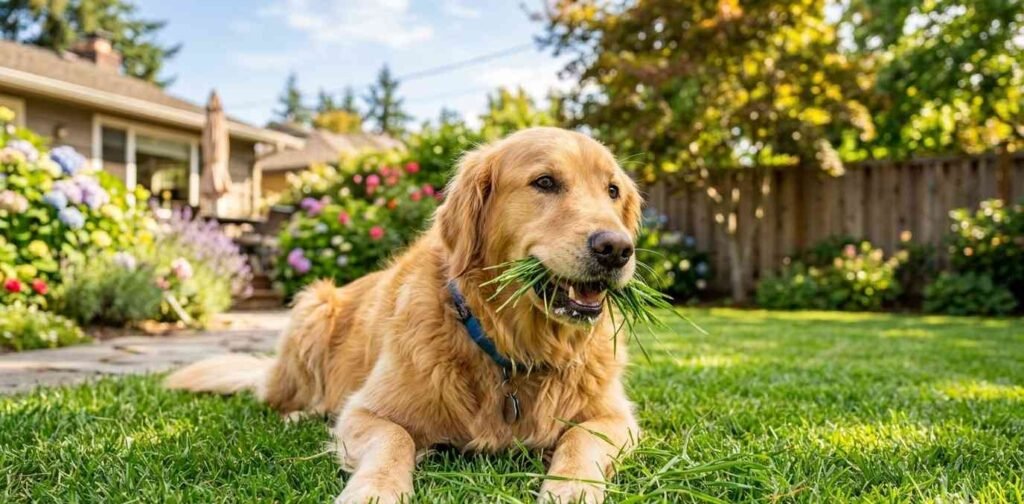
For decades, both veterinarians and dog owners have debated the exact reasons behind this green snacking habit. Some people panic, assuming their beloved pet is deathly ill or suffering from severe nutritional starvation. Others simply laugh it off as just another weird thing that dogs do on a Tuesday. The truth actually lies somewhere in the middle of these two extremes. To understand your dog’s actions, we have to look closely at their biology, their ancestry, and their daily psychology.
If you are looking to get your website approved by AdSense or rank highly on Google, providing complete, factual answers is crucial. We are going to explore every single facet of this grassy phenomenon in detail. By the end of this guide, you will know exactly why your dog acts like a lawnmower.
The Evolutionary Roots of Canine Grazing
To truly understand why your dog eats grass, we must first look back at their wild ancestors. Modern dogs descended from wolves, which are highly adaptable and resourceful hunters. While we primarily think of wolves as strict carnivores, they are actually opportunistic scavengers. When wild canines catch prey, they consume almost the entire animal, including the stomach and intestines.
Because their typical prey consists of herbivores like deer or rabbits, those stomachs are often full of partially digested plant matter. Therefore, wild canines naturally consumed a fair amount of grasses, berries, and plants as part of their survival diet. Over thousands of years of evolution, this natural acceptance of plant material remained deeply ingrained in canine DNA. Your modern dog may sleep on a memory foam bed, but their internal instincts are still tied to the wild.
Furthermore, wild canids have been observed actively seeking out roughage when game is scarce. Eating grass provided essential roughage that helped keep their digestive tracts moving efficiently. So, when you see your dog munching on a patch of grass, they are answering an ancient biological calling. It is an evolutionary leftover, much like a dog circling their bed three times before finally lying down.
Top 5 Reasons Why Your Dog is Grazing
While evolution explains the background, it does not always explain the immediate trigger for your dog’s behavior today. Let’s break down the top five most common explanations for this behavior.
1. They Need More Roughage and Dietary Fiber
Just like humans, dogs need a certain amount of dietary fiber to keep their digestive systems running smoothly. Grass is an abundant, easily accessible source of natural fiber. If your dog’s standard commercial diet is lacking in adequate roughage, they might seek it out on their own. This is a clever, self-regulating biological response to a minor nutritional gap.
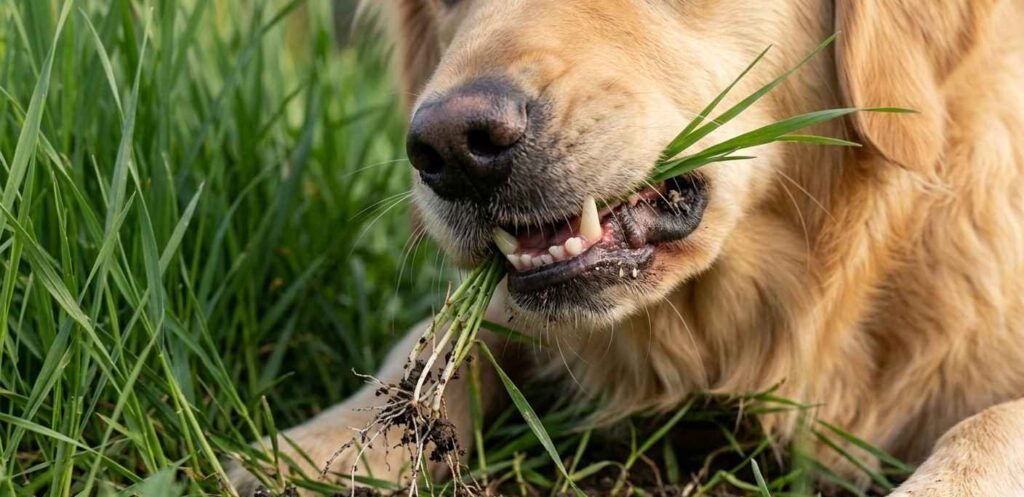
When a dog lacks fiber, they can experience mild constipation or sluggish digestion. Eating grass adds bulk to their stool, which helps stimulate the digestive tract and pass waste more easily. In fact, many pet owners notice that once they switch their dog to a high-fiber dog food, the grass-eating stops completely. If your dog is a chronic grazer, taking a closer look at the nutritional label on their kibble is a smart first step.
2. The Upset Stomach Theory: Myth or Reality?
One of the oldest and most widespread beliefs is that dogs eat grass specifically to make themselves vomit. The theory suggests that if a dog has an upset stomach, the tickling sensation of the grass blades induces vomiting to provide relief. However, modern veterinary studies have heavily challenged the accuracy of this popular assumption. Research shows that fewer than 25% of dogs actually vomit after eating grass.
Furthermore, only about 10% of dogs show any signs of illness before they start eating the grass. This means the vast majority of dogs who eat grass feel perfectly fine both before and after the act. That being said, some dogs do occasionally use grass as a natural emetic when they have ingested something bad.
3. Boredom, Anxiety, and Behavioral Compulsions
Dogs are highly intelligent, energetic creatures that require a significant amount of daily mental and physical stimulation. When they are left alone in a backyard for hours with nothing to do, they get incredibly bored.
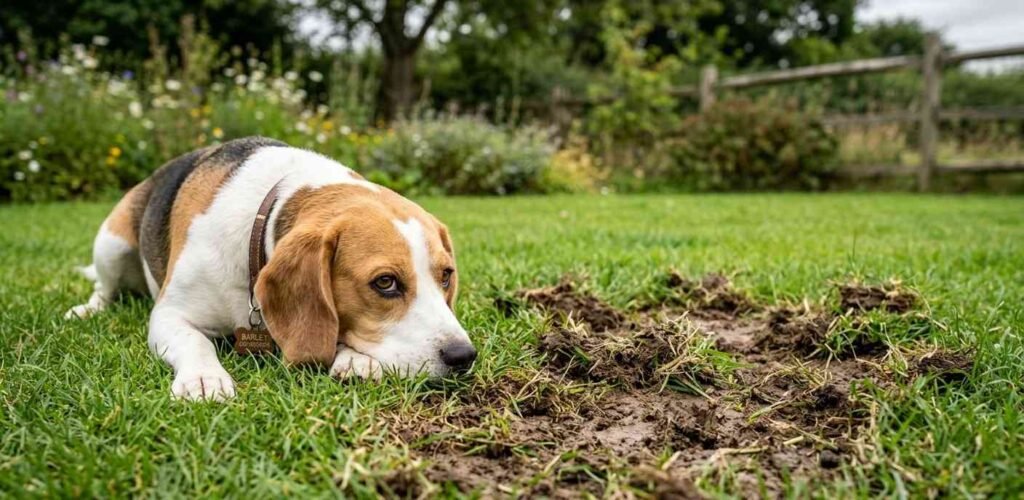
Anxiety can also manifest in strange oral fixations, including the frantic chewing of grass or dirt. Dogs suffering from separation anxiety may turn to the lawn as a self-soothing coping mechanism. If the grass-eating happens primarily when you leave for work or when the dog is isolated, behavior is the likely culprit. Increasing their daily exercise, introducing puzzle toys, and spending more interactive time together can easily cure this type of grazing.
4. Pica and Unmet Nutritional Deficiencies
In some rare cases, dogs eat strange non-food items because of a medical condition known as Pica. Pica is characterized by the obsessive consumption of things like dirt, rocks, paper, and, of course, large amounts of grass. This condition can sometimes point to a deeper, underlying nutritional deficiency that is not being met by their daily food. They are instinctively trying to extract missing minerals, vitamins, or enzymes from the earth and plants around them.
While most commercial dog foods are strictly balanced to meet all nutritional needs, poor-quality diets might fall short. Additionally, certain internal medical issues can prevent a dog from properly absorbing the nutrients they are swallowing. If your dog is obsessively eating grass alongside dirt or rocks, a veterinary blood panel is highly recommended. Your vet can quickly determine if there is an iron deficiency or a gastrointestinal absorption issue causing the Pica.
5. They Simply Like the Taste and Texture!
Sometimes, we humans tend to overcomplicate things when the simplest answer is the correct one. Many dogs eat grass simply because they genuinely enjoy the taste, texture, and smell of it. This is especially true in the early spring months when new grass is growing rapidly. Spring grass is young, tender, and contains a high moisture content that makes it sweet and refreshing.
You might notice that your dog is very selective about exactly which blades of grass they choose to eat. They will carefully sniff around a large lawn, bypassing dozens of patches to find the perfect, sweetest tuft. They use their front teeth to delicately pluck the grass and then happily chew it up. In these instances, the grass is basically a fresh, natural salad that provides a crunchy, satisfying sensory experience.
Is Eating Grass Actually Bad for Dogs?
Now that we know the reasons behind the behavior, the next logical question is whether or not it is safe. Generally speaking, the act of a dog eating grass is entirely harmless and completely natural. The grass itself is not toxic to dogs, and their digestive systems can handle small to moderate amounts of it. However, the real danger does not come from the grass itself, but rather from what is on the grass.
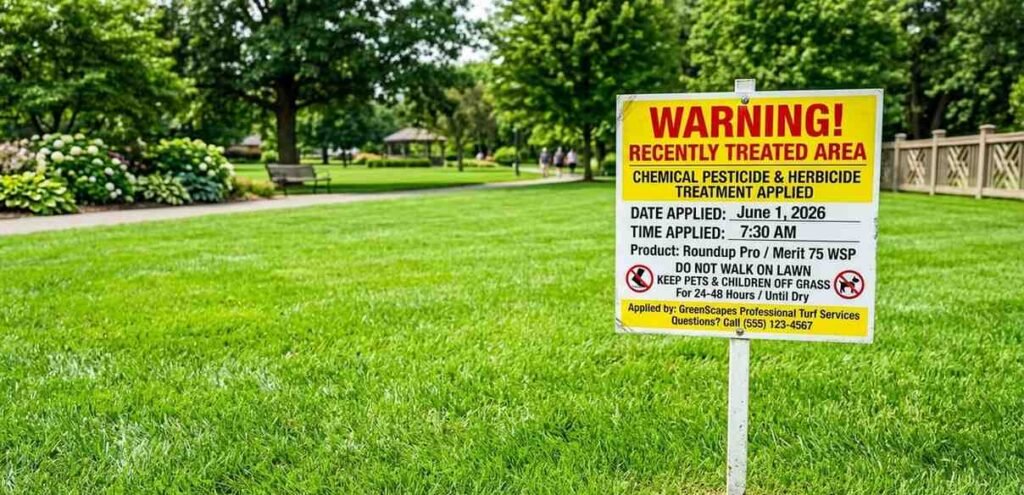
The most significant risk to your grazing dog is the presence of toxic chemicals used in modern lawn care. Herbicides, pesticides, and synthetic chemical fertilizers are highly poisonous if ingested by your pet. Even if you do not treat your own lawn, your dog might eat treated grass at a local park or a neighbor’s yard. Always pay close attention to little warning flags on lawns when walking your dog through the neighborhood.
Another hidden danger lurking in the grass is the presence of intestinal parasites. When infected dogs or wild animals defecate on the grass, they leave behind microscopic parasite eggs. Hookworms, roundworms, and whipworms can easily be transmitted to your dog if they eat grass contaminated with these unseen eggs. Keeping your dog strictly on a monthly preventative deworming medication is vital if they are a frequent grass eater.
When Should You Be Worried? (Red Flags)
While occasional grazing is normal, there are specific warning signs that should prompt an immediate call to your veterinarian. The most obvious red flag is if your dog is vomiting repeatedly after eating grass. A single episode of throwing up is usually fine, but multiple episodes indicate a severe stomach blockage or illness. You should also watch closely for sudden changes in their overall energy levels and demeanor.
If your dog is eating grass frantically and seems physically distressed, whining, or pacing, this is a medical emergency. This frantic behavior can sometimes be a precursor to Gastric Dilatation-Volvolvus (Bloat), which is rapidly fatal if ignored. Additionally, pay attention to their bathroom habits after a heavy grazing session. Severe diarrhea, bloody stools, or constipation are clear indicators that the grass or an underlying issue is harming their GI tract.

Lastly, if your dog suddenly starts eating grass obsessively out of nowhere, you should schedule a checkup. Any sudden, drastic change in a dog’s daily behavior warrants a professional medical evaluation. Your vet will likely check their stool for parasites and perform basic blood work to rule out systemic illness. It is always better to be safe and proactive when it comes to your furry companion’s health.
Actionable Tips: How to Stop Your Dog from Eating Grass
If your dog is eating grass out of boredom, or if you are simply worried about lawn chemicals, you can stop the habit. The first step is to gently but firmly redirect their attention whenever they start trying to graze. Bring high-value treats on your walks and practice obedience commands to keep their brain fully engaged with you.
Upgrading their daily physical exercise can drastically reduce boredom-induced grazing. A tired dog is a good dog; try extending their walk by twenty minutes or playing a vigorous game of fetch. When their brain and body are thoroughly exhausted, they will have zero interest in eating your landscaping.
If you suspect a dietary issue, consult yourvet about safely adding more fiber to their diet. Adding a spoonful of plain, unsweetened canned pumpkin to their kibble is an excellent, dog-safe fiber boost. You can also try offering raw, dog-safe vegetables like carrots or green beans as crunchy alternatives to grass. Finally, always supervise your dog closely in the yard so you can intervene quickly before they turn into a lawnmower.
Frequently Asked Questions (FAQs)
Why does my dog only eat grass in the morning time when i wake up?
Dogs often have empty stomachs in the morning, which can lead to a buildup of stomach acid or bile. This acid buildup can cause mild nausea, prompting them to eat grass to soothe their stomach. Splitting their daily food into two or three smaller meals can prevent this morning sickness.
Can puppies eat grass safely?
Puppies explore the world entirely with their mouths, so chewing on grass is a normal part of their development. However, puppies have weaker immune systems and are highly susceptible to deadly diseases like Parvovirus, which can survive in contaminated soil. You should actively discourage young puppies from eating grass until they are fully vaccinated and older.
What type of grass is safest for dogs to eat?
If you want to allow your dog to graze safely, consider growing a specific tray of dog grass indoors. Wheatgrass, oat grass, and barley grass are incredibly safe, highly nutritious, and easy to grow on a sunny windowsill. This gives them a safe outlet for their natural instincts without the risk of pesticides or parasites.
Why does my dog eat grass and then cough?
Grass blades have microscopic, jagged edges that can easily tickle or irritate the back of a dog’s throat. When a blade of grass gets temporarily stuck or tickles their esophagus, it triggers a natural coughing reflex to clear the airway. If the coughing persists for hours, however, you should see a vet to ensure nothing is permanently lodged.
Final Thoughts on Your Grazing Dog
At the end of the day, catching your dog eating grass should not be an immediate cause for panic. It is a deeply ingrained, natural behavior that spans across various breeds, ages, and temperaments. Whether they are seeking a little extra fiber, soothing a mildly upset tummy, or just enjoying a sweet springtime snack, grazing is fundamentally normal. The most important thing you can do as a pet parent is simply to observe the context of the behavior.
Ensure that the environment they are grazing in is completely free of toxic chemicals and dangerous pesticides. Keep up with their monthly veterinary preventatives to protect them from hidden soil-borne parasites. And, of course, shower them with plenty of love, interactive toys, and exercise so they never have to eat grass just out of sheer boredom. By focus to given details, you can keep your dog perfectly happy, healthy, and safe for future to come.