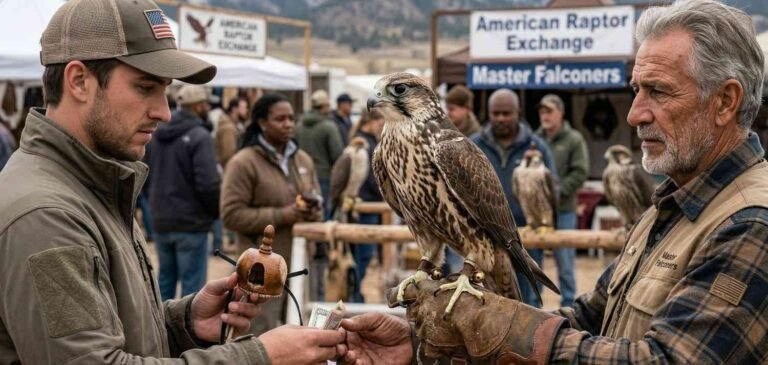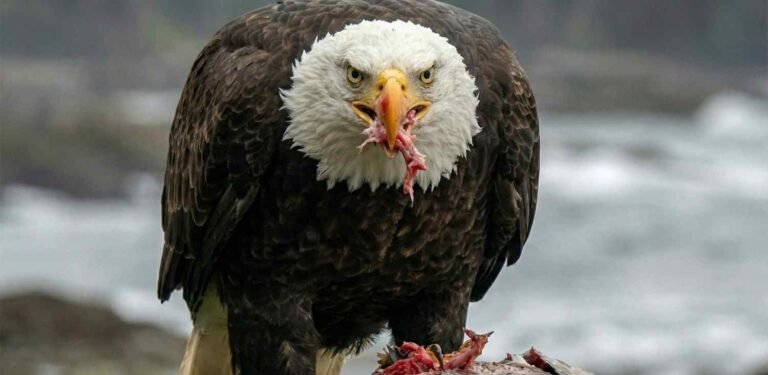

What is the easiest bird to falconry?
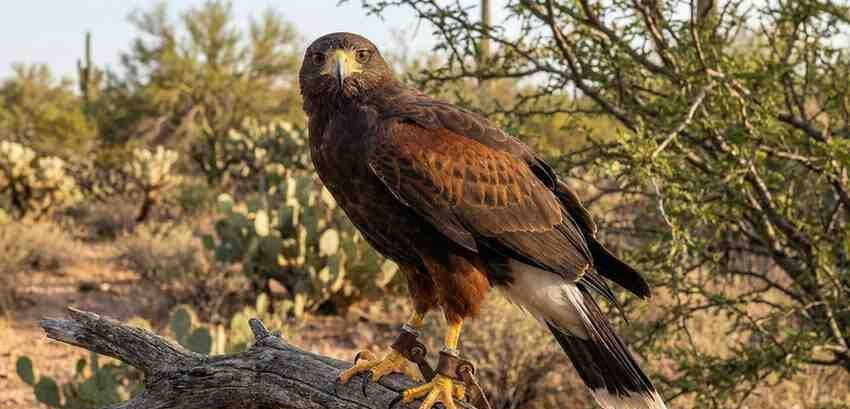
The Harris’s Hawk is widely considered the single easiest bird for a beginner in falconry. Unlike most raptors, which are solitary hunters, Harris’s Hawks are social birds that hunt in packs in the wild. This evolutionary trait makes them exceptionally forgiving and willing to bond with a human partner, often behaving more like a loyal dog than a typical, aloof bird of prey. They are highly intelligent, generally calm, and far less prone to the high stress or aggression seen in other species like Goshawks, making them much easier to train and handle while a novice learns the delicate art of weight management.
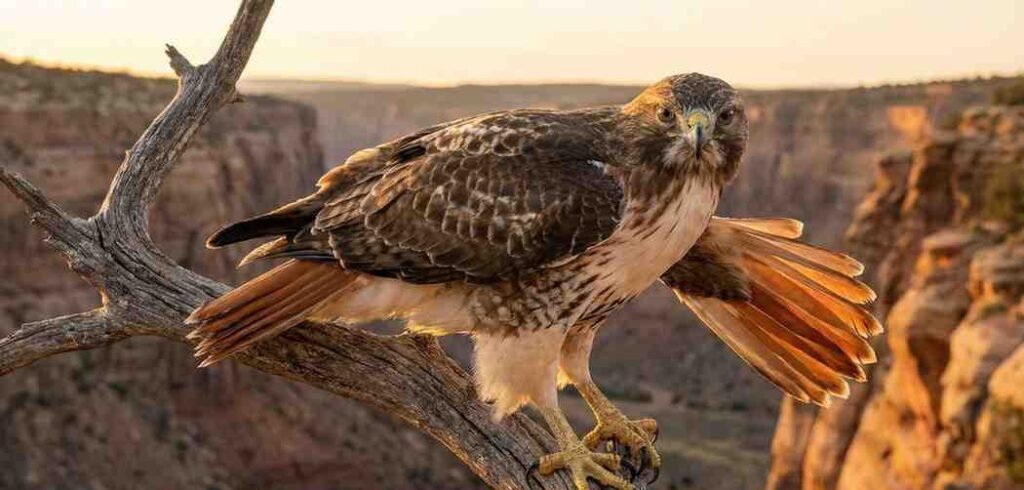
Another top contender, particularly for apprentices in North America where regulations often mandate it, is the Red-tailed Hawk. These birds are incredibly robust and hardy, meaning they can physically withstand the minor mistakes in diet or health management that a beginner might make, which could be fatal to more delicate species like falcons. While they may not be as naturally social as the Harris’s Hawk, they are reliable, steady hunters. However, it is crucial to remember that even the “easiest” falconry bird requires a massive commitment of daily time, specialized equipment, and strict legal permits, as no raptor is a low-maintenance pet.
What are the best falconry birds for beginners?
| Bird Name | Why It’s Good (Pros) | The Downside (Cons) |
| Harris’s Hawk | The Friendliest. They are social birds that like people. They are easy to train and hunt like a team. | Noisy. If they expect food from you constantly, they can develop a habit of screaming. |
| Red-tailed Hawk | The Toughest. They are very strong and healthy. If you make a small mistake with their food, they usually stay healthy. | Heavy. They are large birds. Holding them on your arm for a long time can be tiring. |
| American Kestrel | The Smallest. They are tiny and don’t need much space or a big car to transport them. | Delicate. Because they are so small, losing even a tiny bit of weight can kill them quickly. |
What birds can a general falconer have?
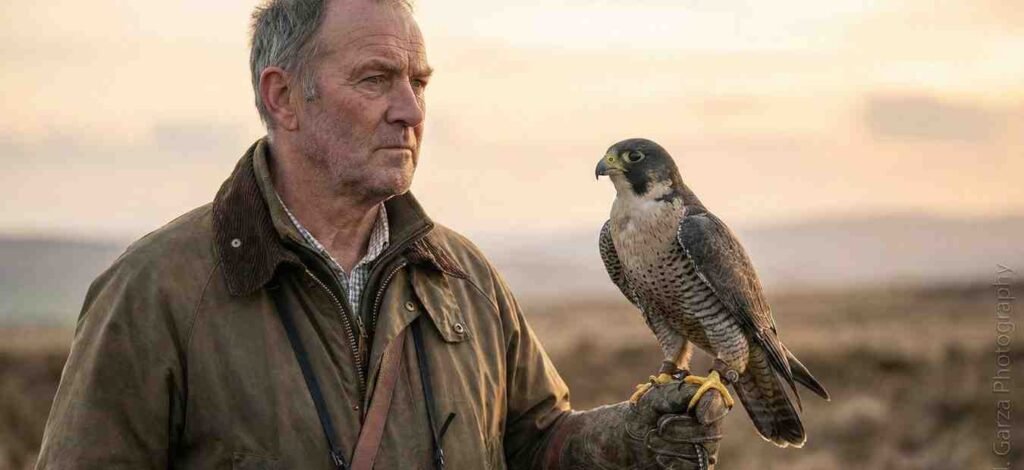
A General Class falconer is permitted to possess nearly any non-endangered species of raptor from the orders Falconiformes (hawks, falcons) and Strigiformes (owls), whether wild-caught or captive-bred.1 This is a significant upgrade from the Apprentice level, unlocking access to “high-performance” birds that require more experience to handle safely. Popular choices for this level include the Peregrine Falcon and Prairie Falcon for long-range aerial hunting, as well as the Northern Goshawk and Cooper’s Hawk, which are highly efficient but notoriously high-strung hunters. General falconers are also free to acquire captive-bred exotic species that are not native to their region, such as the Lanner Falcon or the Eurasian Eagle Owl.
However, strict prohibitions remain regarding the largest and most dangerous raptors. General falconers are not allowed to possess eagles (such as the Golden Eagle or Bald Eagle), as these are reserved exclusively for Master falconers who have obtained additional eagle permits.2 Furthermore, General falconers are typically limited to possessing a maximum of three raptors at any one time.3 This limit allows them to keep multiple birds for different types of game—for example, keeping a Red-tailed Hawk for rabbits and a Peregrine Falcon for ducks—without becoming overwhelmed by the husbandry requirements of a large aviary.
What is the easiest bird for a beginner?
The Red-tailed Hawk is widely considered the best alternative for a beginner, and in many regions, it is the only bird an apprentice is legally allowed to possess. Unlike the social Harris’s Hawk, the Red-tailed Hawk is a solitary hunter, but it makes up for this with incredible physical hardiness and a calm, steady temperament. This robustness is a crucial safety net for a novice falconer, as the bird can tolerate slight fluctuations in body weight or diet that might prove fatal to more delicate species like kestrels or sparrowhawks. Their predictability and strength make them excellent teachers for learning the fundamentals of manning, weight control, and hunting ground game like rabbits and squirrels.
Another major advantage of the Red-tailed Hawk for beginners is the unique learning experience of trapping a wild bird. In many places, apprentices are required to trap a juvenile “passage” hawk rather than buying one from a breeder. This is actually a benefit, as a wild-caught hawk already knows how to fly and hunt effectively, removing the pressure on the novice to teach these fundamental survival skills. Furthermore, because passage hawks are naturally independent, they are far less likely to develop “imprinting” issues—such as constant screaming or aggression towards humans—that are common pitfalls when a beginner tries to raise a captive-bred bird from a young age.
What is the most low maintenance bird?
For a falconer seeking the absolute “lowest maintenance” bird in terms of physical health and daily resilience, the Red-tailed Hawk is the clear winner. They are the “tanks” of the raptor world, possessing an incredibly robust constitution that makes them resistant to disease and forgiving of the dietary mistakes that would kill more delicate species. Unlike falcons or accipiters, which have high metabolisms and can succumb to rapid weight loss or stress within hours, a Red-tailed Hawk can easily withstand the minor fluctuations in feeding schedules or weight management that are common as a novice learns the ropes.
However, if “low maintenance” refers to housing and space requirements, the American Kestrel is a deceptively attractive option that requires far less room and food. A Kestrel can be housed in a small closet-sized mew and transported in a compact car, whereas a Red-tailed Hawk requires a large outdoor aviary and a substantial vehicle for transport. The trade-off is that while the Kestrel saves space, it is biologically “high maintenance”—its tiny body holds very little energy reserve, meaning a missed meal or a sudden drop in temperature can be fatal, requiring the falconer to be hyper-vigilant about the bird’s condition every single day.