
Springtime Grass Care: The Ultimate Guide to a Lush, Green Lawn
As the winter frost retreats and the first hints of warmth touch the soil, every homeowner shares a common vision: a thick, carpet-like emerald lawn. However, a great lawn isn’t born in the summer; it is forged in the spring.
Springtime Grass Care is about more than just a quick mow and some fertilizer. It is a strategic window of opportunity where you set the biological foundation for the entire year. In this guide, we will walk you through every scientific principle and practical step to ensure your turf outshines the neighborhood.
The Spring Wake-Up Call – Initial Assessment
Before you grab a rake or a bag of seed, you must understand what your lawn endured over the winter. Snow, ice, and fluctuating temperatures can leave your grass in various states of distress.
Identifying Winter Damage
- Snow Mold: Look for circular patches of matted, crusty grass. This is often pink or gray and occurs when snow sits on unfrozen ground for too long.
- Vole Damage: Look for “runways” or narrow paths chewed into the grass.
- Salt Burn: If your lawn borders a sidewalk or driveway where salt was used, the grass may appear brown or brittle.
The Gentle Clean-up
Your first physical task is a light raking. Caution: Do not rake when the soil is soggy. Walking on saturated soil causes compaction, which is the enemy of root growth. Once the ground is firm, use a leaf rake to remove “clutter”—twigs, dead leaves, and matted grass—to allow sunlight and oxygen to reach the crowns of the grass plants.

The Foundation – Soil Health and Testing
You cannot have healthy grass in “dead” soil. Most homeowners skip this step, but Springtime Grass Care officially begins in a lab.
Why Soil Testing is Mandatory
Soil pH dictates whether your grass can actually “eat” the nutrients you provide. If your pH is too acidic (below 6.0) or too alkaline (above 7.5), the fertilizer you buy will simply sit in the soil, unavailable to the plant.
How to Conduct a Soil Test
- Sample Multiple Areas: Use a trowel to take 5–10 small samples from different parts of your yard.
- Go Deep: Aim for 4 to 6 inches deep, where the roots live.
- Mix and Send: Mix the samples in a clean plastic bucket and send them to your local university extension office or a private lab.
- The 2025 Edge: In 2025, digital soil meters have become highly accurate. Consider a Bluetooth-enabled soil sensor for real-time moisture and nutrient tracking.
Adjusting the pH
- To Raise pH (Too Acidic): Apply Lime.
- To Lower pH (Too Alkaline): Apply Elemental Sulfur.
Mechanical Magic – Dethatching and Aeration
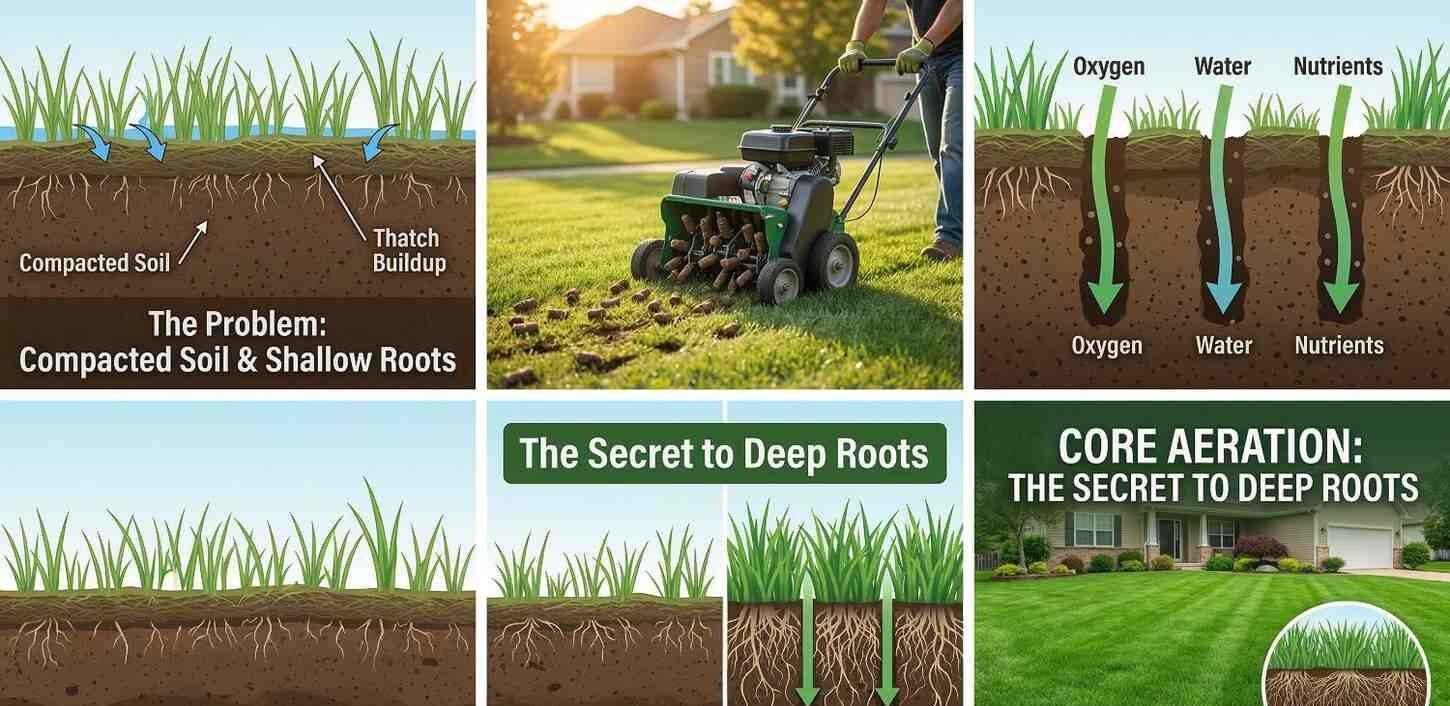
If your soil is the foundation, then its “breathability” is its lifeblood. Over time, soil becomes packed down, and a layer of organic debris called thatch builds up.
Dethatching: When is it Too Much?
Thatch is a layer of living and dead organic matter between the green blades and the soil surface. A half-inch is healthy—it acts as mulch. Over an inch, it blocks water and harbors disease.
- The Test: Poke your finger into the grass. If you can’t feel the dirt easily, you have a thatch problem.
- The Tool: For small yards, a dethatching rake works. For larger areas, rent a power rake or verticutter.
Core Aeration: The Secret to Deep Roots
If you only do one “heavy” task this spring, let it be Core Aeration. This involves a machine pulling “plugs” of soil out of the ground.
- Relieves Compaction: Essential for high-traffic areas or clay-heavy soils.
- Oxygen Exchange: Allows the roots to “breathe” and encourages deep growth.
- Timing: For cool-season grasses (Fescue, Bluegrass), aerate in early spring. For warm-season grasses (Bermuda, Zoysia), wait until late spring when the grass is actively growing.
Seeding and Repair – Bridging the Gaps
Spring is a race against time. You want your new grass to germinate and establish roots before the scorching heat of July arrives.
Choosing the Right Seed
Success in Springtime Grass Care depends on matching the seed to your climate.
| Grass Category | Common Varieties | Best For |
| Cool-Season | Kentucky Bluegrass, Tall Fescue, Ryegrass | Northern climates, handles cold well. |
| Warm-Season | Bermuda, Zoysia, St. Augustine | Southern climates, loves heat and sun. |
Export to Sheets
The Overseeding Process
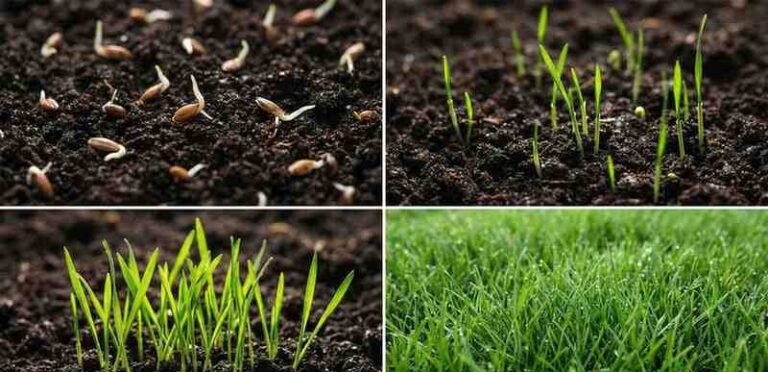
- Mow Low: Cut your existing grass to about 2 inches to allow seed-to-soil contact.
- Spread Seed: You should throw seeds spread by each others.
- Top-Dress: Lightly cover the seed with a 1/4 inch of compost or peat moss. This keeps the seeds moist and protects them from birds.
- Watering: This is the only time you should water daily. Keep the top inch of soil moist until the seeds are 2 inches tall.
The Chemistry of Growth – Fertilization Decoded
Fertilizer is not “food”—grass makes its own food through photosynthesis. Fertilizer is the multivitamin that provides the raw materials.
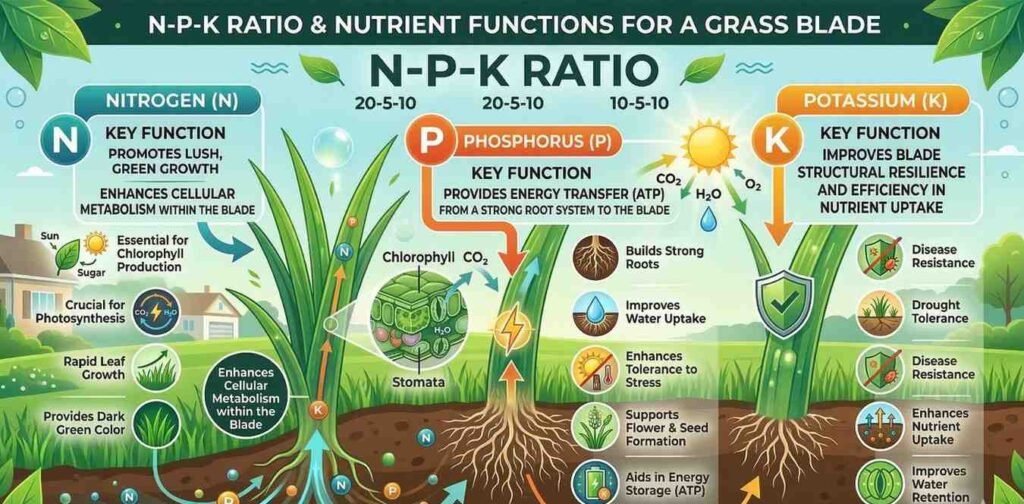
Understanding N-P-K
Every bag of fertilizer has three numbers (e.g., 20-5-10):
- Nitrogen (N): For greening and leaf growth.
- Phosphorus (P): For root development (crucial for new lawns).
- Potassium (K): For overall stress resistance and disease “immunity.”
Timing Your First Feed
Don’t fertilize too early! If you feed grass while it’s still dormant, you are only feeding the weeds. Wait until the grass is actively growing and you have mowed it at least twice.
- Early Spring: A light, slow-release nitrogen application.
- Late Spring: A second application to prepare for summer stress.
The War on Weeds – Pre-emptive Strikes
The best way to control weeds is to have such a thick lawn that they can’t find a place to grow. But until then, we use science.
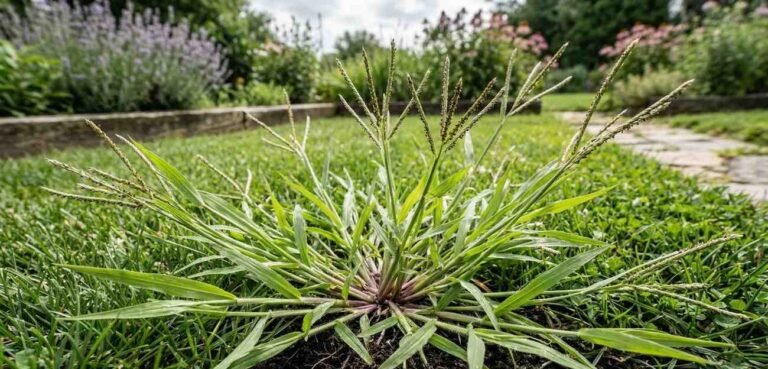
Pre-Emergent Herbicides (The Crabgrass Shield)
Timing is everything. Crabgrass seeds germinate when the soil temperature hits 55°F for three consecutive days.
- The Indicator: When you see Forsythia bushes (the bright yellow ones) blooming, it’s time to apply your pre-emergent.
- Important Note: Do not use pre-emergent if you are also overseeding. The chemical cannot distinguish between a “bad” weed seed and your “good” grass seed.
Post-Emergent Control
For broadleaf weeds like dandelions or clover that have already appeared, use a selective post-emergent herbicide. Spot-treating is always better for the environment than “blanket” spraying.
Watering and Mowing – The Dynamic Duo
These are the two tasks you will perform most often, and yet, they are the two most often done incorrectly.
The “Deep and Infrequent” Watering Rule
Stop the “daily 5-minute sprinkle.” This encourages shallow roots that will die in the summer heat.
- The Goal: 1 to 1.5 inches of water per week, delivered in one or two deep sessions.
- Best Time: Between 5:00 AM and 9:00 AM. This allows the grass to dry during the day, preventing fungal diseases.
The 1/3 Mowing Rule
- Why? Cutting too much at once “shocks” the plant and causes it to stop root growth to focus on repairing the leaves.
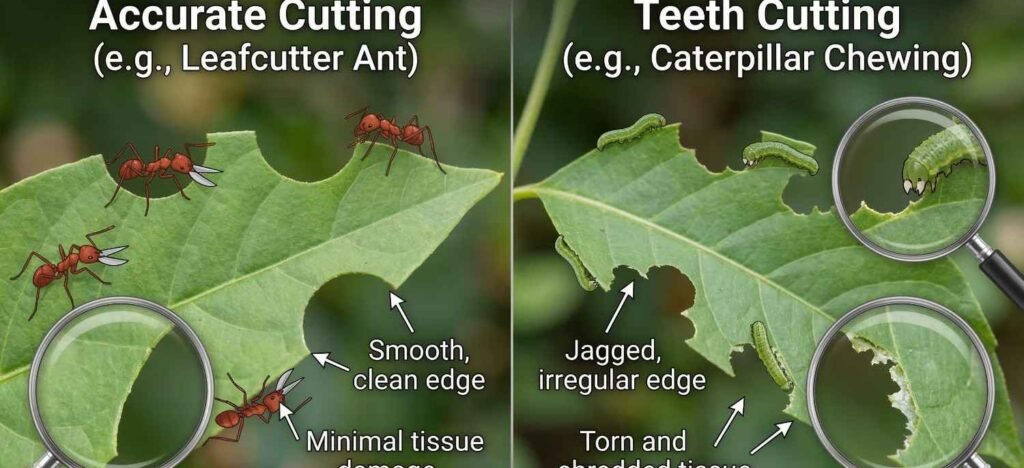
- Blade Maintenance: Sharpen your mower blades every spring! A dull blade tears the grass, leaving a jagged edge that turns brown and invites disease.
Pest and Disease Management
Spring moisture combined with rising temperatures can create a “petri dish” for lawn problems.
Common Spring Pests
- Grubs: These are beetle larvae that eat the roots. Treat with milky spore or a dedicated grub control product in late spring.
- Chinch Bugs: They suck the juice out of grass blades. Look for yellowing patches that don’t respond to water.
Organic Solutions
Many homeowners are turning to Beneficial Nematodes. These are microscopic worms that hunt down and kill lawn pests without harming pets, children, or bees.
The Sustainable Lawn – 2026 Trends
The definition of a “perfect lawn” is shifting. Sustainability is no longer a niche; it’s a priority.
The Rise of the “Clover Lawn”
Many are mixing Micro-clover into their grass seed. Clover is a “nitrogen fixer,” meaning it takes nitrogen from the air and puts it into the soil for the grass to use. It stays green in droughts and requires less fertilizer.
No Mow May
A growing movement to leave the mower in the garage during May to allow pollinators (bees and butterflies) to thrive on early-season wildflowers. Even if you don’t skip the whole month, consider raising your mower height to 4 inches to protect biodiversity.
Smart Irrigation
Upgrade your sprinkler system with a Smart Controller. These devices check the local weather forecast and skip watering if rain is expected, saving you money and preserving water.
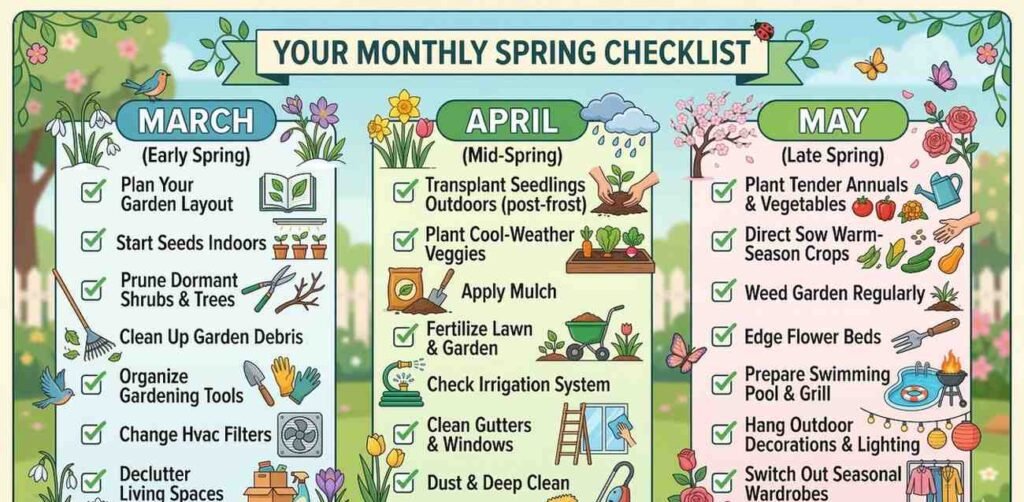
Your Monthly Spring Checklist
March: The Preparation
- Tune up the mower (change oil, sharpen blades).
- Perform a light clean-up of debris.
- Conduct a soil test.
- Apply lime or sulfur if indicated by the test.
April: The Active Phase
- Apply pre-emergent herbicide (when Forsythia blooms).
- Aerate and dethatch (if needed for cool-season grass).
- Overseed bare spots.
- Begin regular mowing (keeping it high).
May: The Strengthening Phase
- Apply first round of fertilizer (after two mows).
- Spot-treat broadleaf weeds.
- Monitor for pests like grubs.
- Establish a deep-watering routine.
The Long Game
Springtime Grass Care is a marathon, not a sprint. By following these steps—testing your soil, relieving compaction, and watering correctly—you aren’t just making your lawn look good today. You are building a resilient ecosystem that will withstand the heat of summer and the drouts of autumn.
A healthy lawn is more than just an aesthetic choice; it cools your home, provides oxygen, and creates a space for memories. Start your spring journey today, and by June, you’ll be the envy of the block.