
Soft Food Diet for Braces: A Complete Survival Guide
Getting braces is a rite of passage for many, a journey toward a confident, radiant smile. However, the first few days after getting your braces on—or immediately following an adjustment appointment—can be physically uncomfortable. Your teeth may feel sore, your gums might be tender, and the very idea of chewing can seem daunting. This is where the soft food diet for braces becomes your best friend.
Transitioning to a soft food diet isn’t just about avoiding pain; it is a strategic move to protect your new orthodontic hardware and ensure your body continues to get the nutrition it needs during treatment. This comprehensive guide will walk you through everything you need to know about navigating the culinary world with braces. From understanding why this diet is crucial to exploring a vast array of delicious recipes, we have you covered.
Why a Soft Food Diet for Braces is Essential
When your orthodontist tightens your wires, pressure is applied to the periodontal ligament connecting your teeth to your jawbone. This pressure causes the bone to remodel, allowing teeth to move.1 This process triggers inflammation, which translates to soreness for you.
1. Pain Management
The primary reason for adopting a soft food diet for braces is comfort. Biting into hard or chewy foods requires significant jaw force, which transmits pressure directly to your already sensitive teeth.2 Soft foods require minimal chewing, reducing the strain on your teeth and jaws, allowing the inflammation to subside more quickly.
2. Protecting Your Hardware
Brackets and wires are durable, but they aren’t invincible. Hard, crunchy, and sticky foods are the arch-enemies of orthodontics.3
- Breakage: Crunching on an apple or a hard candy can easily pop a bracket off a tooth or snap a wire.4
- Bent Wires: Even if a wire doesn’t break, hard food can bend it, potentially moving your teeth in the wrong direction and prolonging your treatment time.5
3. Easier Oral Hygiene
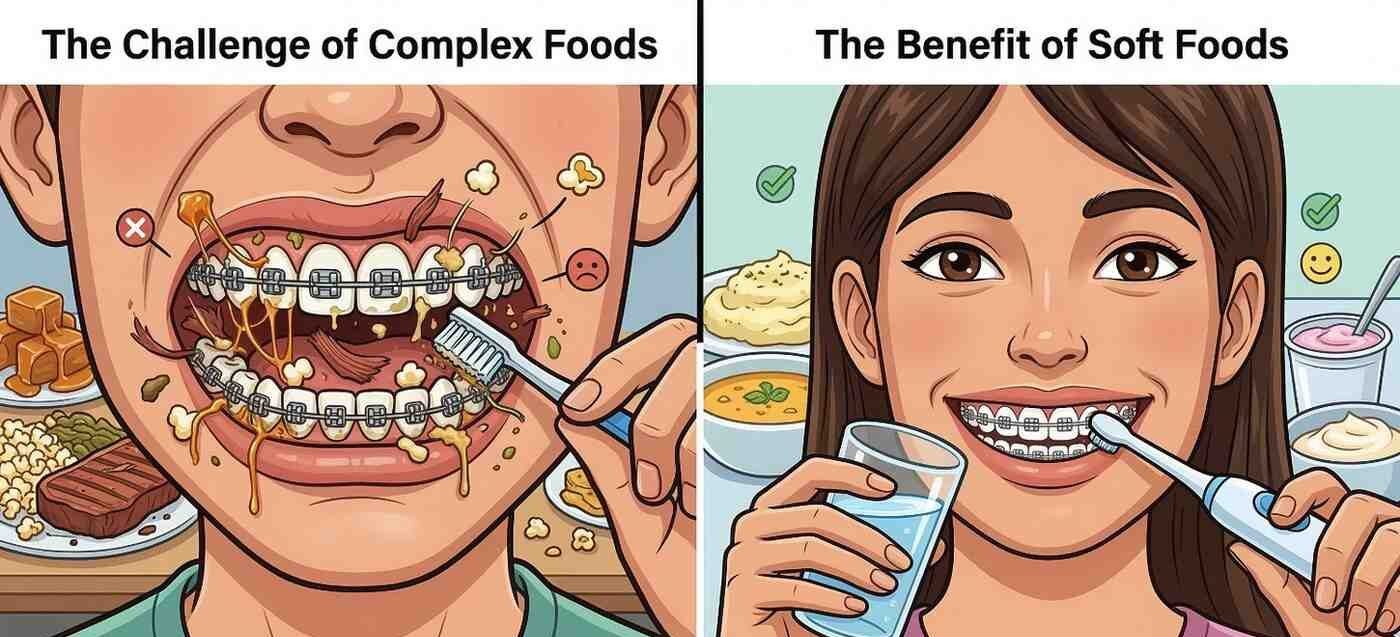
Braces create thousands of tiny hiding spots for food particles and plaque.6 Sticky foods (like caramel) or fibrous hard foods (like steak) can get trapped behind wires and around brackets, making them notoriously difficult to clean.7 Soft foods generally break down easier and are simpler to swish away with water or brush off, reducing the risk of cavities and decalcification marks during your treatment.
The “Red Light” List: Foods to Avoid Strictly
Before we dive into what you can eat, it is vital to establish ground rules on what to avoid. While on a soft food diet for braces, avoiding these textures is non-negotiable to prevent emergency trips to the orthodontist.
Hard Foods
- Nuts and Seeds: Almonds, peanuts, and sunflower seeds are bracket breakers.
- Ice: Chewing on ice is one of the most common causes of broken appliances.
- Hard Candies: Lollipops, jawbreakers, and mints should not be bitten.
- Chips and Pretzels: Doritos, hard tacos, and thick pretzels can lodge between wires and gums painfully.8
- Crusty Bread: Baguettes, pizza crusts (unless very soft), and hard rolls require a tearing motion that pulls on brackets.
Sticky and Chewy Foods
- Gum: Even sugar-free gum can pull wires out of place.9
- Caramel and Toffee: These act like cement, gluing wires to brackets and making cleaning impossible.
- Gummy Bears and Licorice: These require excessive chewing force.
- Dried Fruit: Raisins and dried apricots are sticky and high in sugar, a bad combo for braces.
Foods You Bite Into
- Whole Apples and Pears: You must cut these into thin wedges; never bite into them whole.
- Corn on the Cob: The leverage required to strip the corn creates dangerous pressure on front brackets.10 Cut the corn off the cob instead.
- Meat on the Bone: Ribs and chicken wings pose a risk of popping a bracket if you accidentally bite the bone.
The Ultimate Soft Food List: What to Eat
Now for the good news: a soft food diet for braces does not mean you are resigned to eating baby food for two years. There is a world of culinary possibilities that are gentle on your teeth but heavy on flavor.
1. Breakfast of Champions (Soft Edition)
Breakfast sets the tone for the day. Since your teeth might feel most stiff in the morning, starting with warm or very soft options is ideal.
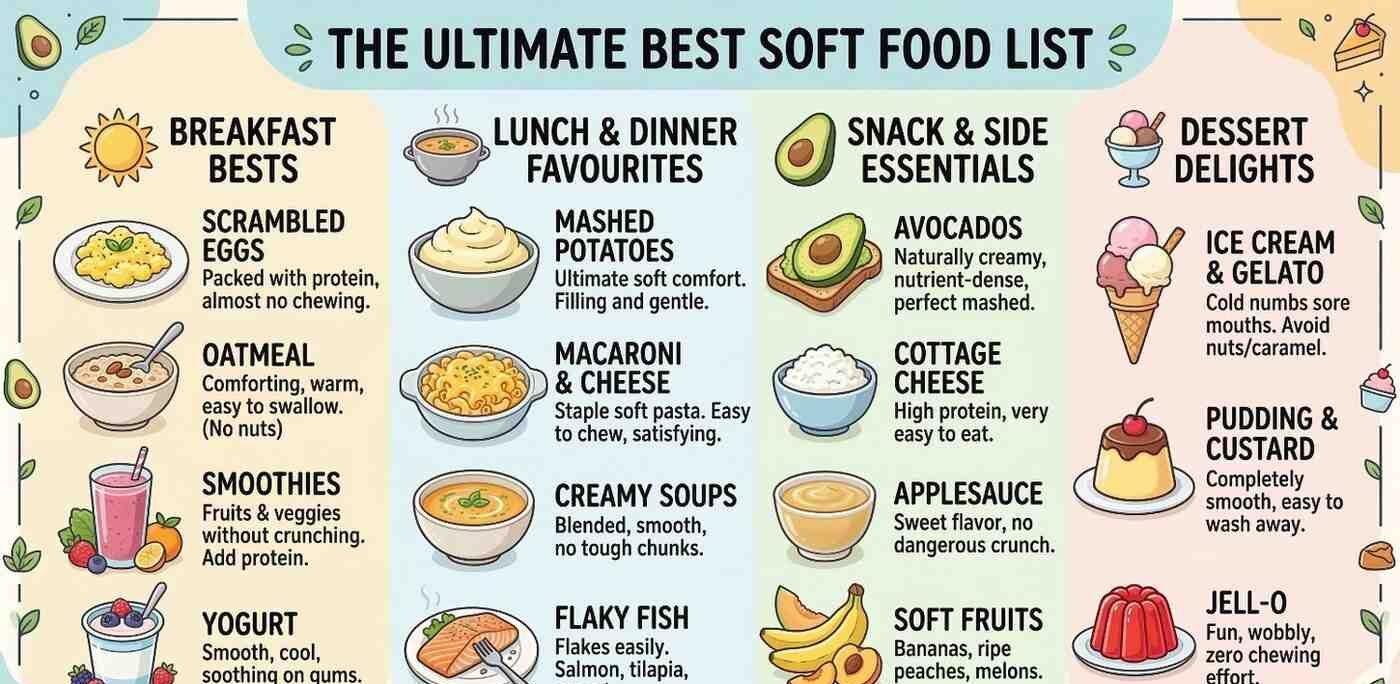
- Scrambled Eggs: Fluffy, protein-packed, and requiring almost no chewing.11 You can add cheese for extra calcium.
- Oatmeal and Porridge: Warm oats are soothing. Ensure you cook them thoroughly so they are creamy, not chewy. Add cinnamon, honey, or mashed bananas for flavor.
- Smoothies: The ultimate braces hack. Blend spinach, berries, bananas, yogurt, and protein powder. It’s a meal in a glass that requires zero chewing.
- Pancakes and Waffles: Soft, fluffy pancakes are safe. Avoid crispy edges if your teeth are very sensitive, and drown them in syrup or applesauce to soften them further.
- Yogurt: Greek yogurt is excellent for satiety.12 Avoid yogurts with large chunks of granola or hard fruit pieces.
2. Lunch Ideas for Work or School
Packing a lunch that is braces-friendly can be tricky, but these options travel well and are easy to eat.
- Pasta Salad: Use small pasta shapes like macaroni or shells. Cook the pasta slightly past al dente so it is very soft. Mix with mayonnaise, tuna, or soft-cooked peas.
- Egg Salad or Tuna Salad: Mash the ingredients thoroughly. These can be eaten alone or on soft sandwich bread (remove the crusts if necessary).
- Soup: A thermos of soup is a lifesaver. Tomato soup, butternut squash soup, or potato leek soup are filling and comforting.
- Cottage Cheese and Fruit: A simple, high-protein side dish.13 Pair it with canned peaches or pears for a sweet treat.
- Sandwiches: Avoid toasted breads which can be scratchy.
3. Dinner: Comfort Food Classics
Dinner is where you can get creative with your soft food diet for braces. The key is cooking methods—steaming, boiling, and slow-cooking are your best techniques.
- Mashed Potatoes: The holy grail of orthodontic diets. Load them up with butter, gravy, or cheese.
- Macaroni and Cheese: The ultimate comfort food. The soft pasta and creamy cheese sauce coat the stomach and require little effort to eat.
- Meatloaf: Unlike steak, ground meat is pre-broken down. A tender meatloaf is easy to chew and provides necessary iron.
- Fish: Flaky white fish (tilapia, cod) or salmon falls apart with a fork and requires very little chewing pressure.14
- Slow-Cooked Stews: Beef or chicken stew that has been in a slow cooker for 8 hours will be tender enough to melt in your mouth.15 Ensure vegetables like carrots are cooked until mushy.
- Risotto: Rice dishes are great, but risotto is creamier and softer than standard steamed rice, making it easier to swallow.
4. Snacks and Desserts
Denying yourself treats makes the braces journey harder. Here are safe indulgences.
- Applesauce and Puddings: Classic, smooth, and sweet.
- Ice Cream and Milkshakes: The cold temperature can actually help numb sore gums.16 Just avoid flavors with nuts, chocolate chips, or caramel ribbons.
- Jell-O: Easy to eat and light on the stomach.
- Soft Cake/Muffins: Sponge cake, brownies (without nuts), and muffins are fine.17 Break them into small pieces and chew with your back teeth.
- Ripe Fruits: Bananas, watermelons, and cantaloupe are soft enough to eat safely.18
Nutritional Considerations on a Soft Food Diet
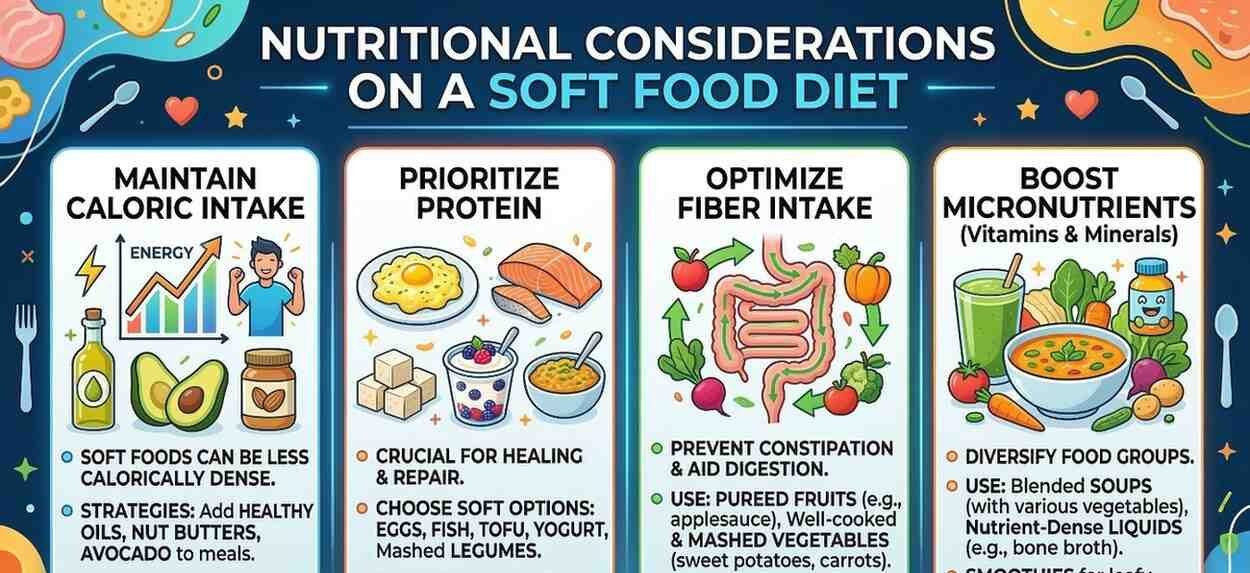
When relying on a soft food diet for braces, it is easy to fall into a “carb trap”—eating only mashed potatoes, ice cream, and pudding. While these are comforting, your body needs nutrients to repair tissues and keep your immune system strong.
Prioritizing Protein
Since tough meats are off the table, you must find alternative protein sources.
- Tofu: Silken or firm tofu is incredibly soft and absorbs the flavor of whatever sauce you cook it in.19
- Beans and Lentils: thoroughly cooked beans (like refried beans) are excellent.20 Lentil soup provides fiber and protein without the crunch.21
- Protein Shakes: If you are struggling to eat enough, a liquid protein supplement can bridge the gap.
Getting Your Fiber
Soft diets are often low in fiber, which can lead to digestion issues.
- Green Smoothies: Blend spinach or kale into your fruit smoothies.22 The blender breaks down the fibers for you.
- Well-Cooked Veggies: Steamed broccoli florets (avoid the tough stems), cooked carrots, and pureed squash are vital.
- Whole Grains: Opt for soft-cooked quinoa or well-boiled brown rice instead of white rice occasionally.
Calcium for Strong Teeth
Your teeth are under stress; support them with calcium.
- Milk, Cheese, and Yogurt: Incorporate dairy into at least two meals a day.
- Fortified Plant Milks: Almond or oat milk (calcium-fortified) are great alternatives.23
3 Delicious “Braces-Friendly” Recipes
Here are three specific recipes designed to be high in flavor, high in nutrition, and low in chewing effort.
1. The “Sore Teeth” Super Smoothie
This smoothie is cold (to numb pain), filling, and packed with vitamins.
- Ingredients:
- 1 ripe banana (frozen works best for texture)
- 1 cup spinach (fresh)
- 1/2 cup Greek yogurt (vanilla or plain)
- 1 tablespoon creamy peanut butter
- 1 cup almond milk
- 1 scoop protein powder (optional)
- Instructions: Blend all ingredients on high until completely smooth. There should be no leafy chunks left. Drink immediately with a reusable straw (aim the straw toward the back of the throat to keep sugar off the braces).
2. Creamy Potato and Leek Soup
A savory, warm option that feels like a hug in a bowl.
- Ingredients:
- 4 large potatoes, peeled and cubed
- 2 leeks, white parts only, sliced
- 4 cups vegetable or chicken broth
- 1/2 cup heavy cream
- Salt and pepper to taste
- Instructions: Sauté leeks in butter until soft. Add potatoes and broth. Simmer for 20 minutes until potatoes fall apart when poked. Use an immersion blender to puree the soup until silky smooth. Stir in the cream and serve warm.
3. Deconstructed Shepherd’s Pie Bowl
All the taste of a meat pie without the crust.
- Ingredients:
- 1 lb ground beef or turkey
- 1 cup beef broth
- 1 cup frozen peas and carrots (steamed until very soft)
- 2 cups mashed potatoes
- Tomato paste and Worcestershire sauce
- Instructions: Brown the meat, breaking it into very small crumbles. Add broth, tomato paste, and sauce; simmer until the liquid reduces to a thick gravy. Stir in the soft veggies. Serve in a bowl topped with a generous scoop of mashed potatoes.
How Long Should You Stay on a Soft Food Diet?
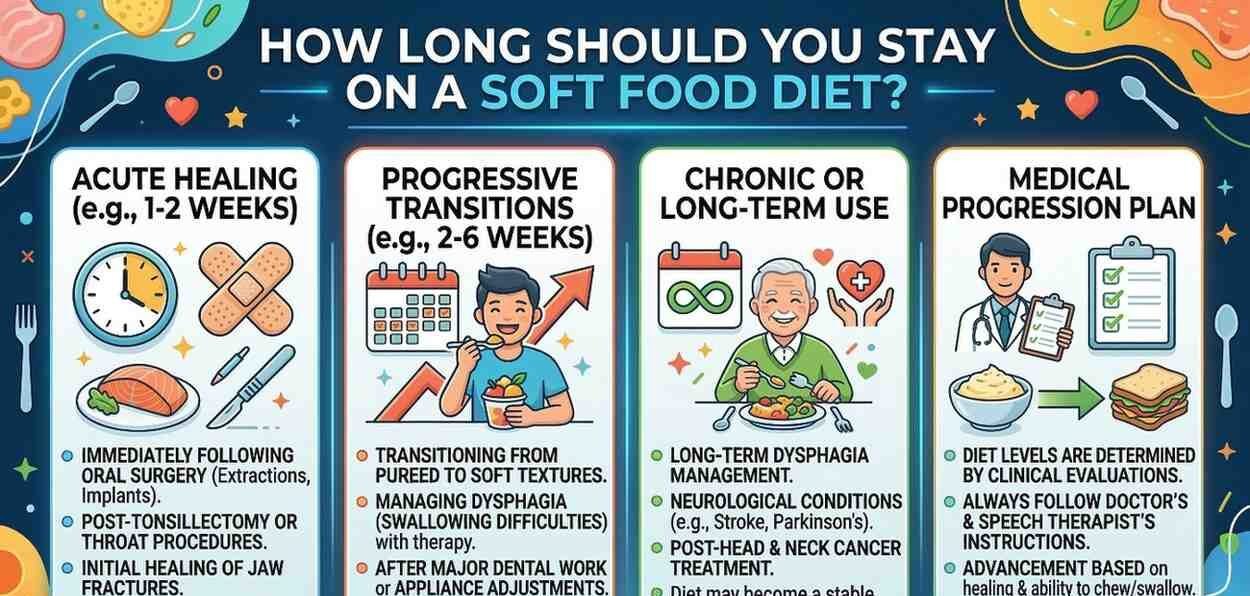
Phase 1: The First 3-5 Days
Immediately after getting braces or a wire tightening, your teeth will be at their most sensitive. During this window, stick strictly to the soft food diet for braces. Treat your mouth like it is recovering from an injury. Soup, yogurt, and smoothies are your staples here.
Phase 2: The Adjustment Period (Week 1-2)
As the acute soreness fades, you can reintroduce “soft solids.” These are foods that require chewing but yield easily to pressure—think pasta, meatballs, and soft bread. You might still find raw vegetables or toasted bread uncomfortable.
Phase 3: The “New Normal”
Once your mouth toughens up (usually after two weeks), you can return to a relatively normal diet. However, the “Red Light” list (sticky, hard, crunchy foods) remains in effect for the entire duration of your orthodontic treatment (18–24 months). You can eat pizza, but cut it up. You can eat burgers, but maybe skip the crispy bacon.
Tips and Tricks for Eating with Braces
Mastering the soft food diet for braces involves technique as much as food choice.
1. The “Cut It Small” Rule
Your front teeth are usually the most sensitive because they have single roots. Cut sandwiches into four triangles. Cut burgers into bite-sized pieces. Use a fork and knife for pizza. Place food directly on your back molars to chew.
2. Chew Slowly
Eating is no longer a race. Chew slowly and deliberately to prevent accidental cheek biting (which happens often as your bite shifts) and to ensure you don’t accidentally chomp down on a hard pit or bone.
3. Hydrate with Water
Keep a glass of water nearby while eating. Swishing water helps dislodge food particles that get stuck immediately, making the post-meal cleanup easier.24 It also helps wash down dryer soft foods like biscuits or bread.
4. Listen to Your Mouth
If a specific tooth is hurting, chew on the other side. If your wires are digging into your cheeks, use orthodontic wax before you eat to create a smooth buffer between the metal and your soft tissue.25
Managing Cravings: When You Miss the Crunch
One of the hardest parts of the soft food diet for braces is the psychological craving for texture. We miss the “crunch.”
- The Safe Crunch: If you are desperate for something crispy, try cheese puffs or baked cheese crackers that essentially dissolve in your mouth. They offer a momentary crunch but soften immediately with saliva.
- Thin Crackers: Saltines or Ritz crackers are generally safe if you let them soften slightly on your tongue before chewing.
- Crispy Fries: Thin, non-burnt french fries can satisfy the salty/crunchy craving without endangering your brackets like a potato chip would.
Eating Out with Braces
You don’t have to become a hermit. You can still enjoy restaurants while adhering to a soft food diet for braces.
- Italian: Order lasagna, fettuccine alfredo, or ravioli. Avoid pizza with thick, hard crusts.
- Mexican: Burrito bowls (skip the tortilla chips), soft tacos, beans, and rice are excellent. Enchiladas are usually soft enough to eat with a fork.
- Asian: Steamed dumplings, noodle soups (Ramen/Pho), and tofu dishes are perfect.26 Avoid dishes with peanuts (like Kung Pao chicken) or crispy fried meats.
- American: Burgers (eaten with a knife and fork), mac and cheese, chili, and mashed potatoes are standard menu items.
FAQ: Common Questions About Soft Food Diets for Braces
Q: Can I eat bread with braces?
A: Yes, but choose soft breads. Brioche, sandwich bread, and soft rolls are fine. Avoid bagels, sourdough with hard crusts, and pizza bones (crusts). If you eat toast, don’t toast it until it’s rock hard.
Q: Is salad off-limits?
A: Not entirely, but it is difficult. Lettuce leaves can be stringy and wrap around wires. Crunchy croutons are dangerous. If you eat salad, chop the lettuce very finely and skip the hard toppings.
Q: Can I drink soda?
A: Technically, liquids are “soft,” but soda is highly acidic and sugary.27 Braces make teeth vulnerable to decalcification (white spots). If you drink soda, use a straw and rinse with water immediately after. It is better to limit soda intake.
Q: What if a bracket comes loose while eating soft food?
A: Sometimes a bracket bond is weak and pops off even with soft food. If this happens, don’t panic. Save the bracket if it comes out, cover the sharp wire with wax, and call your orthodontist to schedule a repair.
Q: Can I eat spicy food?
A: Yes, spicy food doesn’t damage braces. However, if you have mouth sores or cuts on your cheeks from the braces rubbing, spicy food will sting intensely. Proceed with caution.
Conclusion: Embracing the Soft Food Journey
The soft food diet for braces is a temporary lifestyle change that pays off in permanent results. While the first week of soreness can be frustrating, having a plan—and a fridge stocked with pudding, soups, and eggs—makes all the difference.
Remember, this diet isn’t just about restriction; it’s about creativity. It’s an opportunity to try new smoothie recipes, perfect your slow-cooking skills, and discover just how delicious comfort food can be.
Treat your body well with nutritious soft foods, keep your oral hygiene impeccable, and before you know it, the soreness will fade. You will be back to eating (mostly) normal foods, one step closer to that perfect, straight smile you have been dreaming of.