Grow Greenery: The Best Guide to Cultivating Lush Indoor and Outdoor Spaces
Introduction
In an increasingly urbanized and digital world, the human connection to nature has never been more vital. The impulse to “grow greenery” is more than just a design trend; it is a fundamental need to nurture life, improve our surroundings, and find solace in the organic rhythms of the natural world. Whether you have a sprawling backyard, a modest balcony, or just a sunlit windowsill, the act of cultivating plants can transform your living space into a sanctuary and your lifestyle into a more sustainable one.
Growing greenery is not an exclusive skill reserved for those with a proverbial “green thumb.” It is a learnable art based on observation, patience, and understanding the basic needs of plants. This comprehensive guide is designed to take you from novice to confident cultivator. We will explore the profound benefits of surrounding yourself with plants, the fundamental principles of gardening, strategies for both indoor and outdoor spaces, the joy of growing your own food, and the importance of sustainable practices.
Prepare to get your hands dirty, learn the language of leaves, and watch as your world becomes a vibrant, greener place.
1. The Profound Benefits of a Greener Life
Why should you dedicate time and space to grow greenery? The rewards extend far beyond mere aesthetics. Integrating plants into your life offers a cascade of psychological, physical, and environmental benefits that significantly enhance well-being.
1.1 Psychological and Emotional Well-being
The concept of “biophilia” suggests humans have an innate tendency to seek connections with nature. Bringing greenery into your home or spending time tending a garden taps into this need. Studies have consistently shown that the presence of plants can reduce stress levels, lower blood pressure, and improve mood. The act of caring for a living thing provides a sense of purpose and accomplishment, acting as a therapeutic counterpoint to the high-paced demands of modern life.
1.2 Improved Air Quality and Health
Plants are natural air filters. Furthermore, many common houseplants (such as Spider Plants and Peace Lilies) have been shown by NASA research to filter out common volatile organic compounds (VOCs) like benzene, formaldehyde, and trichloroethylene found in household products. By increasing indoor humidity and reducing airborne dust, greenery can also alleviate respiratory discomfort.
1.3 aesthetic and Environmental Impact
Aesthetically, greenery softens architectural lines, adds vibrant color and texture, and breathes life into sterile spaces. Externally, outdoor gardens contribute to urban cooling, reduce stormwater runoff, and provide crucial habitats for pollinators like bees and butterflies. When you grow greenery, you are actively participating in the health of your local ecosystem.
2. The Fundamentals: Understanding What Plants Need
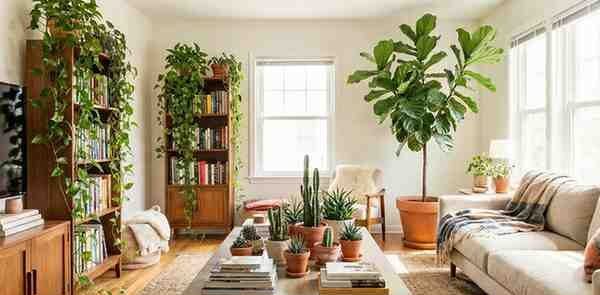
Before diving into specific plants, it is crucial to master the basics. Think of these elements as the toolkit you need to successfully grow greenery. Nearly every plant problem can be traced back to an imbalance in one of these four pillars.
2.1 Light: The Energy Source
Light is food for plants. It drives photosynthesis, the process by which they create energy to grow.
- Direct Light: Intense, unfiltered sunlight, usually found in south-facing windows (in the Northern Hemisphere) or open outdoor spaces. Suitable for cacti, succulents, and many vegetables.
- Bright Indirect Light: The gold standard for most houseplants. It’s a bright spot near a window but out of the harsh, direct path of the sun rays.
- Low Light: Areas far from windows or in north-facing rooms. While few plants thrive here, some, like Snake Plants and ZZ Plants, can tolerate it.
- The Hand Shadow Test: To gauge indoor light, hold your hand a foot above a surface during the brightest part of the day. A sharp, defined shadow indicates bright light; a soft, fuzzy shadow indicates medium light; a barely visible shadow indicates low light.
2.2 Water: The Lifeblood
Watering is where most beginners falter. The key is consistency and understanding the specific needs of your plant.
- The Danger of Overwatering: More plants die from too much water than too little. Soggy soil leads to root rot, a fungal condition that suffocates roots.
- The “Finger Test”: Before watering, stick your finger about two inches deep into the soil. If it’s damp, wait a few days.
2.3 Soil: The Foundation
Garden or lawn soil and potting mix are always not the same.
- Potting Mix: Use a high-quality, fluffy potting mix for containers. These usually contain peat moss or coco coir for moisture retention, and perlite or vermiculite for aeration and drainage.
- Specialty Mixes: Cacti and succulents need a gritty, fast-draining mix (often with added sand), while orchids require a chunky bark mix.
2.4 Air and Environment
Plants need air circulation around their foliage to prevent fungal diseases and around their roots to breathe. They also prefer stable temperatures. Avoid placing plants near drafty windows in winter or directly in front of air conditioning vents or heaters.
3. Indoor Greenery: Bringing the Outside In
Cultivating an indoor jungle is one of the most accessible ways to grow greenery. It allows those without yards to connect with nature year-round. The key to success is matching the right plant to your specific environment and commitment level.
3.1 The “Unkillables” (Beginner-Friendly)
If you are new to plants or travel frequently, start here. These plants are forgiving of neglect and adaptable to various lighting conditions.
- Snake Plant (Sansevieria): Bears low light. Its architectural, upright leaves look modern and sleek.
- ZZ Plant (Zamioculcas zamiifolia): Similar to the Snake Plant, it thrives on neglect and low light. It has glossy, dark green leaflets.
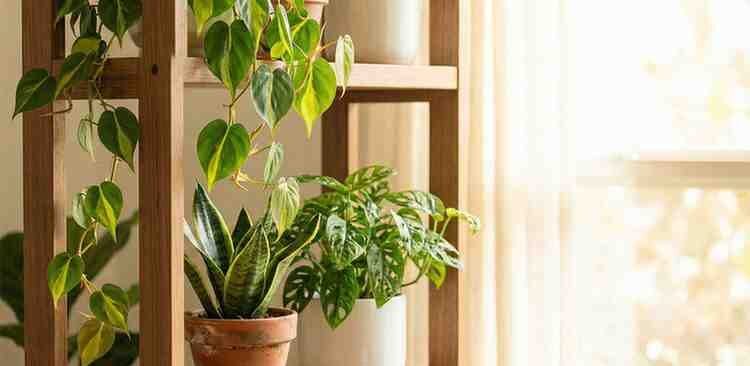
- Pothos (Epipremnum aureum): A fast-growing trailing vine that communicates its needs well—it droops dramatically when thirsty and perks right back up after watering.
3.2 The Intermediate Growers
Ready for a slight step up? These popular plants offer more variety but require a bit more attention to light and watering schedules.
- Monstera Deliciosa (Swiss Cheese Plant): Famous for its large, fenestrated leaves. It needs bright indirect light and a chunky soil mix. It loves humidity.
- Philodendron: A massive genus with varied leaf shapes. Most prefer bright indirect light and consistently moist (but not soggy) soil.
- Rubber Plant (Ficus elastica): A tree-like plant with thick, glossy leaves. It needs bright light to maintain its variegation and avoids dropping leaves.
3.3 The Challenge Plants (Advanced)
These plants are stunning but notoriously fussy. They require specific humidity, light, and watering parameters.
- Fiddle Leaf Fig (Ficus lyrata): Needs very bright, consistent light and hates being moved. It drops leaves if exposed to drafts or irregular watering.
- Calatheas (Prayer Plants): Known for their beautiful, patterned foliage that moves throughout the day. They require high humidity, sensitive to tap water chemicals, and prefer evenly moist soil.
3.4 Biophilic Design Tips
Don’t just plop plants on a windowsill. Integrate them into your decor.
- Grouping: Cluster plants together to create a microclimate of higher humidity, which many tropical plants love. It also creates a greater visual impact.
- Levels: Use plant stands, hanging baskets, and shelves to display greenery at different heights, drawing the eye upward and filling vertical space.
- Statement Plants: Use a large, mature plant like a Bird of Paradise or a tall Dracaena as a focal point in a room corner.
4. Outdoor Greenery: From Balconies to Backyards
Moving outdoors opens up a world of possibilities, from manicured lawns to wild pollinator gardens. The scope changes, but the principles of light, water, and soil remain paramount.
4.1 Assessing Your Outdoor Space
Before you buy a single plant, map your space.
- Sun Mapping: Observe your yard at different times of the day (morning, noon, late afternoon) to determine which areas receive full sun (6+ hours direct), partial shade (3-6 hours), or full shade (less than 3 hours).
- Soil Testing: If planting in the ground, perform a soil test to determine pH and nutrient levels. Your local agricultural extension office can usually help with this. This tells you if you need to amend your soil with compost or specialized fertilizers.
4.2 Container Gardening for Small Spaces
You don’t need land to grow greenery outdoors. Balconies, patios, and even doorsteps are perfect for container gardening.
- Pot Size Matters: The larger the pot, the more soil it holds, and the longer it stays moist. Small pots dry out incredibly fast outdoors in summer.
- Thriller, Filler, Spiller: A classic design technique for mixed containers.
- Choosing Plants: Marigolds, petunias, geraniums, and ornamental grasses are excellent choices for sunny containers. Hostas, ferns, and heucheras thrive in shady pots.
4.3 Raised Bed Gardening
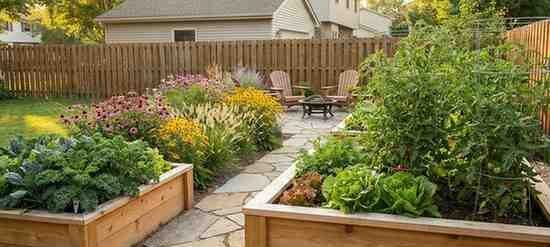
Raised beds are excellent intermediate steps between pots and in-ground gardening. They offer better drainage, warmer soil earlier in the season, and easier access.
- Construction: Use untreated wood (like cedar) or galvanized metal. Ideally, beds should be at least 12 inches deep.
- Filling the Bed: Never fill raised beds with garden soil alone. Use a mix of topsoil, compost, and aeration material like vermiculite to ensure loose, nutrient-rich growing medium.
4.4 In-Ground Planting and Landscaping
When planting directly in the earth, focus on long-term structure.
- Native Plants: The best way to ensure success and support local ecology is to choose plants native to your region. They are adapted to your local climate and rainfall patterns, requiring less water and maintenance once established.
- Layering: Design your garden in layers: canopy trees, understory shrubs, perennials, and groundcovers. This mimics natural ecosystems and reduces weed pressure.
- Mulching: Always apply a 2-3 inch layer of organic mulch (wood chips, straw, shredded bark) around your outdoor plants.
5. Growing Your Own Food: Edible Greenery
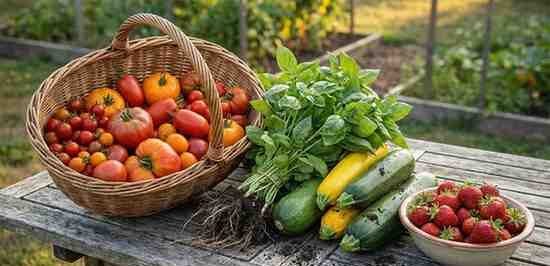
There is perhaps no greater satisfaction than eating something you grew yourself. Growing edible greenery connects you to the food system and provides the freshest produce imaginable.
5.1 Starting Small with Herbs
Herbs are the gateway drug to vegetable gardening. Most need tons of sun (6-8 hours minimum).
- Basil: An annual that loves heat and sun. Pinch off flower buds to helps it producing leaves and best growth.
- Mint: Incredibly invasive. Always plant mint in its own contained pot, even if burying that pot in the ground, or it will take over your entire garden.
5.2 Easy-Win Vegetables
Don’t start with difficult crops like celery or cauliflower. Build confidence with these easier options.
- Leafy Greens: Lettuce, spinach, and kale are cool-season crops that grow quickly. You can harvest them at the “baby leaf” stage in just a few weeks.
- Radishes: One of the fastest vegetables to grow, ready to harvest in as little as 30 days from seed.
- Tomatoes: The most popular home garden vegetable. Buy transplants from a nursery rather than starting from seed if you are a beginner. Cherry tomatoes are generally easier and more prolific than large slicing varieties. Provide a best sturdy cage.
5.3 Fruit for the Home Garden
While fruit trees require a long-term commitment, other fruits are easier to manage.
- Strawberries: Can be grown in the ground, in raised beds, or even in hanging baskets. They are perennials that will return for several years.
- Blueberries: Require highly acidic soil. If your soil isn’t naturally acidic, grow dwarf varieties in large containers using an ericaceous potting mix.
6. Sustainable Practices: Growing Greenery Responsibly
To grow greenery is to partner with nature. Modern gardening emphasizes sustainability, moving away from chemical reliance toward working with ecological systems.
6.1 Composting: Black Gold
Instead of throwing kitchen scraps and yard waste into a landfill where they generate methane, turn them into compost. Compost adds vital nutrients to your soil, improves its texture, and increases its water-holding capacity.
- What to Compost: “Greens” (nitrogen-rich materials like vegetable peels, coffee grounds, fresh grass clippings) and “Browns” (carbon-rich materials like dry leaves, cardboard, straw).
- The Method: Layer greens and browns, keep the pile moist like a wrung-out sponge, and turn it occasionally to add air. Over time, it will break down into dark, earthy material.
6.2 Water Conservation
Water is a precious resource.
- Water Deeply and Infrequently: This encourages roots to grow deeper into the soil to find moisture, making plants more drought-resistant. Mostly, shallow watering keeps the roots near the surface of Earth.
- Water the Soil, Not the Leaves: Wet foliage invites fungal diseases.
- Rain Barrels: Harvest rainwater from your roof gutters to use for watering ornamental gardens.
6.3 Organic Pest Control
A healthy garden has insects. The goal isn’t to eradicate them, but to manage balance.
- Best Insects: Predators like ladybugs, lacewings, and hoverflies gives benefits. They will eat pests like aphids and mites which are harmful for grass.
- Manual Removal: For larger pests like tomato hornworms or Japanese beetles, hand-picking them off into a bucket of soapy water is highly effective.
- Neem Oil and Insecticidal Soap: If you must use sprays, opt for organic options like neem oil or insecticidal soaps, and apply them only in the evening to avoid harming bees and other pollinators active during the day.
7. Troubleshooting Common Challenges
Even experienced gardeners face issues. Don’t be discouraged; look at problems as learning opportunities.
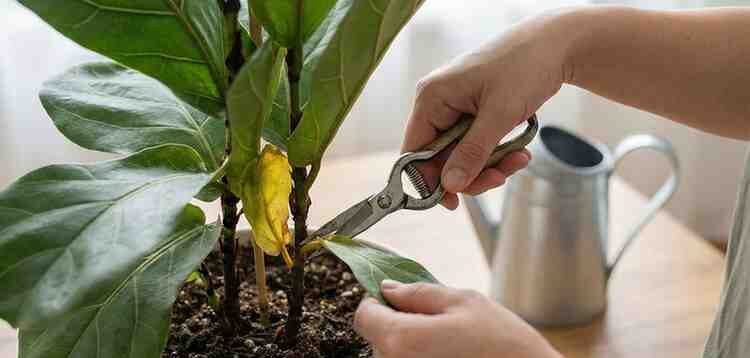
7.1 The Dreaded Yellow Leaf
Yellow leaves are a plant’s universal cry for help, but the cause varies.
- Overwatering: Usually causes yellowing starting at the bottom leaves, which may feel soft or mushy.
- Underwatering: Leaves turn yellow, crispy, and dry before falling off.
- Nutrient Deficiency: If the leaf turns yellow but the veins remain green (chlorosis), it often indicates a lack of iron or magnesium. A balanced fertilizer can help.
7.2 Pests
- Fungus Gnats: Tiny black flies hovering around indoor plants. They thrive in moist soil. Let the top two inches of soil dry out completely between waterings to kill larvae.
- Spider Mites: Some tiny pests that create good webbing on the undersides of leaves. They love sunlight, and dry air. regularly showering and watering your plants.
- Scale and Mealybugs: Look for small brown bumps (scale) or white, cottony masses (mealybugs) on stems and leaf joints.
Conclusion: Your Growing Journey Begins
Deciding to grow greenery is a commitment to patience, observation, and lifelong learning. There will be failures—plants that die despite your best efforts, harvests lost to unexpected pests, and experiments that don’t go as planned. This is entirely normal. Every dead plant is a lesson that makes you a better gardener next season.
Don’t be intimidated by the vast amount of information available. Start small. Buy one Snake Plant for your living room corner. Plant a single tomato plant in a pot on your patio. Scatter a packet of wildflower seeds in a bare patch of your yard.