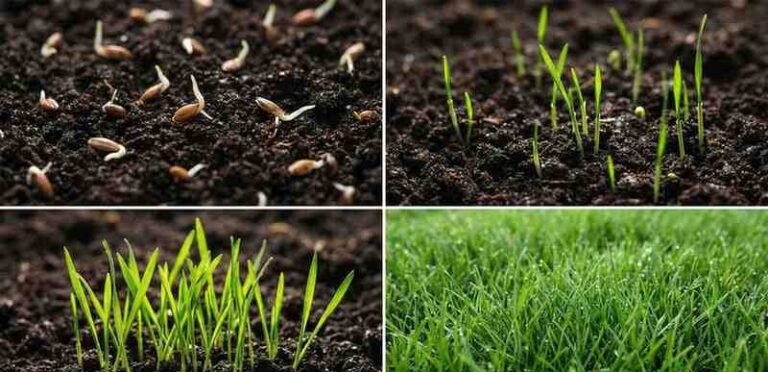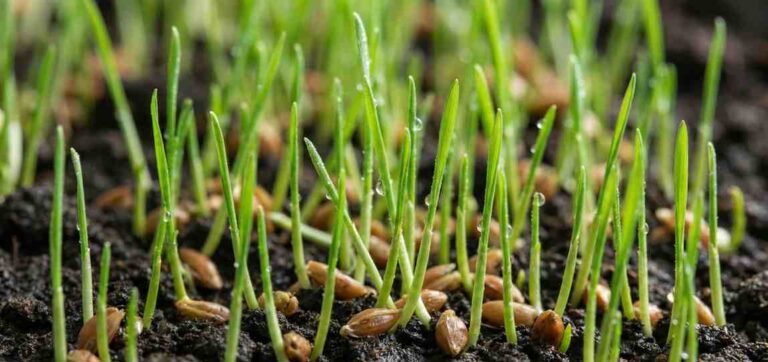
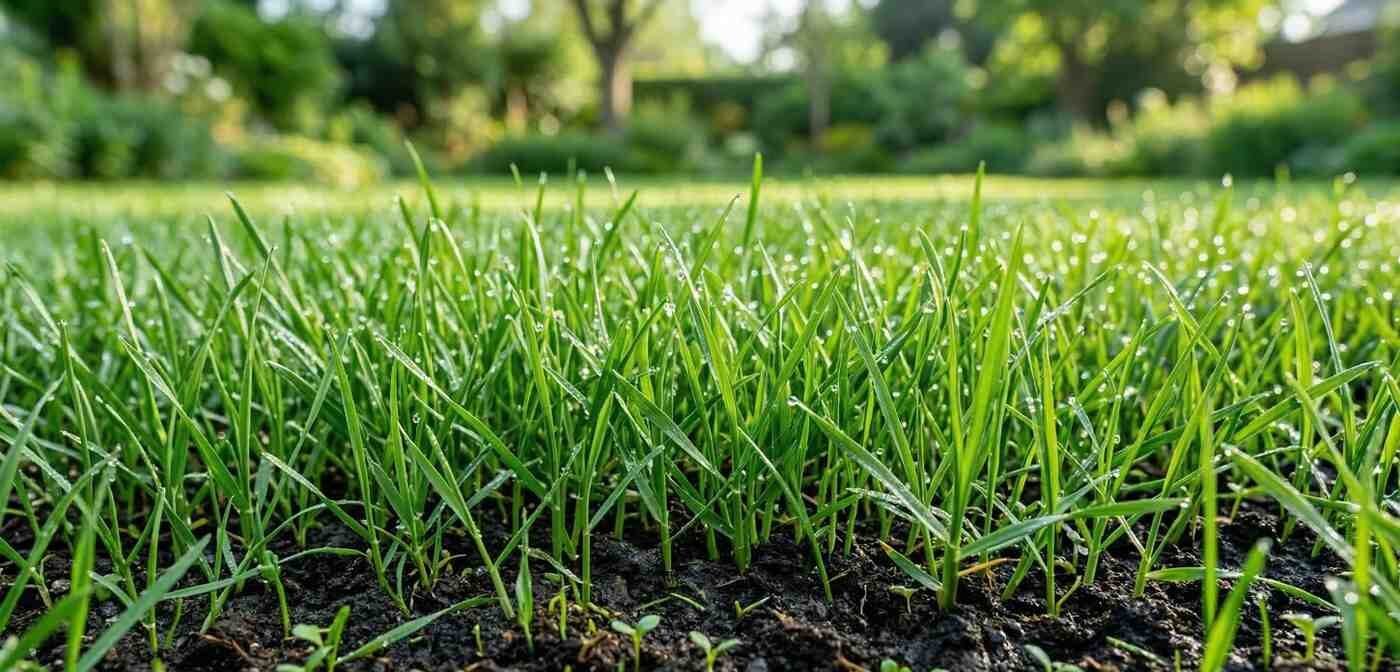
Grass is Growing
Have you ever stared out your window at a patchy, yellowing yard and felt a little ping of despair? Or maybe you’ve looked at your neighbor’s pristine, emerald-green lawn and wondered what secret magic they’re using. You aren’t alone. Achieving that perfect, barefoot-ready lawn feels like a mystery sometimes. But here is the candid truth: there is no magic. It all comes down to understanding the environment, putting in a bit of sweat equity, and realizing that the absolute foundation of successful landscaping and grass is growing.
Whether you live in the rainy, temperate regions of the United Kingdom or the wildly varying climates of the United States, cultivating a beautiful lawn takes more than just tossing seeds on the dirt and crossing your fingers. It takes strategy.
In this comprehensive guide, we are going to walk through everything you need to know. From decoding your soil to picking the exact right seed for your climate, we’ll cover the nitty-gritty details of lawn care.
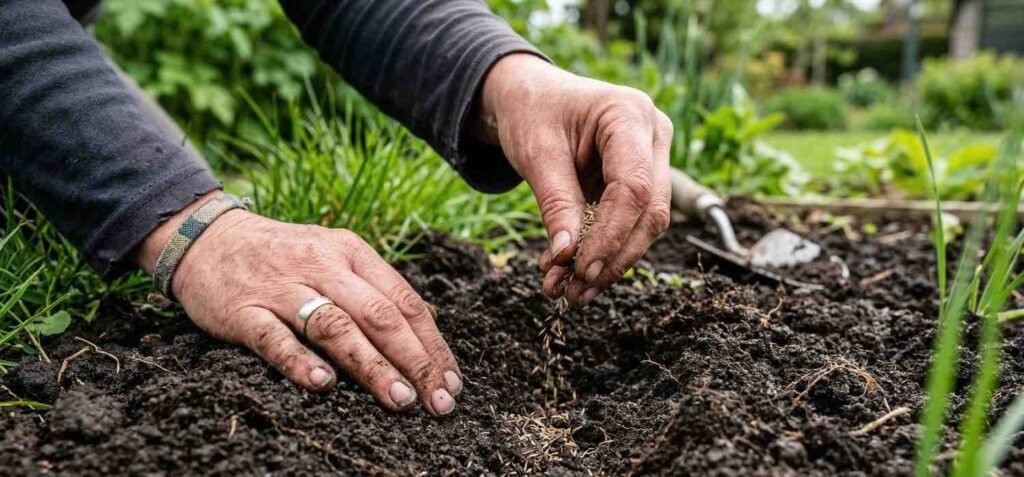
The Core Philosophy: Why “Grass Is Growing” Matters
Before we dive into the technical steps, let’s talk about mindset. When we say “grass is growing,” we mean that your lawn is a living, breathing ecosystem. It’s not just an outdoor carpet. It reacts to stress, needs nutrients, and requires a consistent environment to thrive.
Many homeowners make the mistake of treating their lawns like a one-time project. You plant it, water it for a week, and then forget about it until it needs mowing. But a truly spectacular lawn requires a shift in perspective. You aren’t just maintaining a yard; you are cultivating thousands of individual plants. When you adopt the mindset that your primary goal in outdoor growing is grass health, every other landscaping decision—from planting flower beds to installing a patio—naturally falls into place.
Step 1: Know About Your Zone (The US and UK Climate Divide)
You cannot fight nature and win. The biggest mistake new homeowners make is buying a generic bag of grass seed that isn’t suited for their local climate. Broadly speaking, grass falls into two categories: cool-season and warm-season.
Cool-Season Grasses (Perfect for the UK and Northern US)
If you experience freezing winters and mild-to-warm summers, cool-season grasses are your best friends. These grasses do their heavy lifting (and fastest growing) in the spring and autumn.
- Kentucky Bluegrass: The gold standard for lawns in the northern United States. It creates a dense, beautiful, boat-like turf. However, it requires a fair amount of water and maintenance.
- Perennial Ryegrass: Highly valued in both the US and the UK for its rapid germination. If you have bare patches that need covering yesterday, ryegrass is your go-to. It handles foot traffic incredibly well.
- Fescues (Tall and Fine): If your yard has a lot of shade or if you live in a drought-prone area, fescue is a lifesaver. It has deep roots, making it incredibly resilient. Fine fescue is particularly popular in traditional UK lawn mixes for its elegant, soft texture.
Warm-Season Grasses (Best for the Southern US)
If you live in a region with scorching summers and mild winters (think Florida, Texas, or California), cool-season grasses will shrivel and die by July. You need tough, heat-loving varieties.
- Bermuda Grass: This is the aggressive, sun-worshipping grass you see on golf courses in the South. It thrives in the heat and handles heavy traffic, but it requires full sun and frequent mowing.
- Zoysia: It is a bit slower to establish than Bermuda, but it creates a turf. It’s also slightly more shade-tolerant.
- Centipede & St. Augustine: These are lower-maintenance options excellent for the deep South. They are more sensitive to cold but thrive in hot, humid conditions.

Step 2: Soil Preparation – The Unseen Foundation
You wouldn’t build a house on a crumbling foundation, so don’t try to plant grass in dead, compacted dirt. The secret to a thick lawn happens entirely underground.
Test Your Soil
Don’t guess; test. You can buy a cheap soil testing kit online or at any local garden center. Grass generally prefers a soil pH between 6.0 and 7.0 (slightly acidic to neutral).
- If your soil is too acidic (low pH): You’ll need to add lime to sweeten it. This is very common in areas with heavy rainfall, like the Pacific Northwest of the US or across the UK.
- If your soil is too alkaline (high pH): You’ll need to add soil sulfur to bring the pH down.
Aeration: Let Your Lawn Breathe
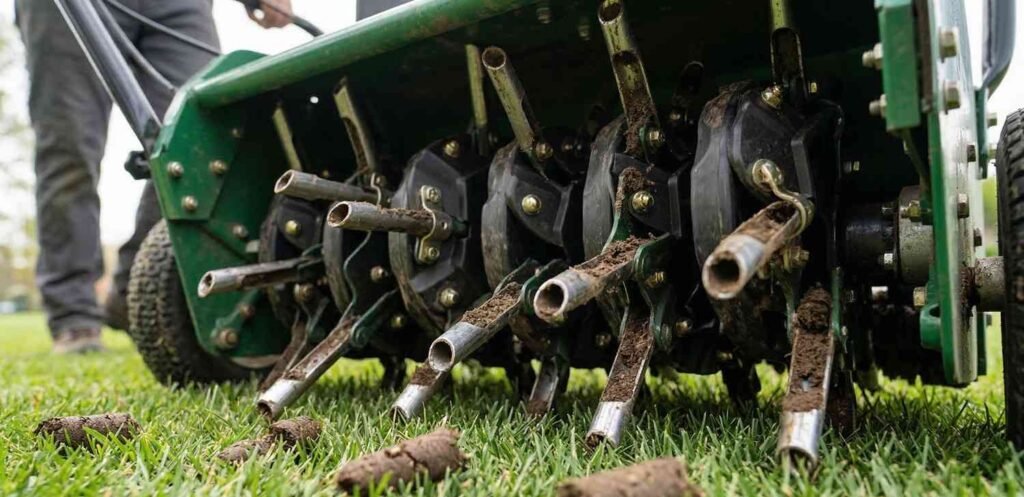
Over time, the soil in your yard becomes compacted from foot traffic, mowers, and heavy rain. Hard soil strangles grass roots and prevents water from soaking in. Core aeration—using a machine to pull small plugs of dirt out of the lawn—alleviates this pressure. If you can’t easily push a screwdriver into your lawn, it’s time to aerate.
Dethatching
Thatch is the layer of dead grass, roots, and organic matter that builds up between the soil and the green grass blades. A little thatch is good; it acts as mulch. But if it gets thicker than half an inch, it blocks water and fertilizer from reaching the soil. Use a dethatching rake or machine in the early spring or early autumn to clear this out.
Step 3: The Art of Seeding and Overseeding
Whether you are starting from bare dirt or trying to thicken up a patchy lawn (overseeding), timing and technique are everything.
When to Plant
For cool-season grasses (UK and Northern US), the absolute best time to plant is early autumn. The soil is still warm from summer (which helps seeds germinate quickly), but the air is cool, and the heavy weed competition of spring has died down. Spring is your second-best option.
For warm-season grasses (Southern US), plant in late spring or early summer when the soil is reliably warm and the threat of frost is entirely gone.
How to Plant
- Prep the Bed: Rake the area to loosen the top quarter-inch of soil. Seed needs “seed-to-soil contact” to grow. If you just throw seed on top of hard dirt or existing dead grass, the birds will eat it, or it will wash away.
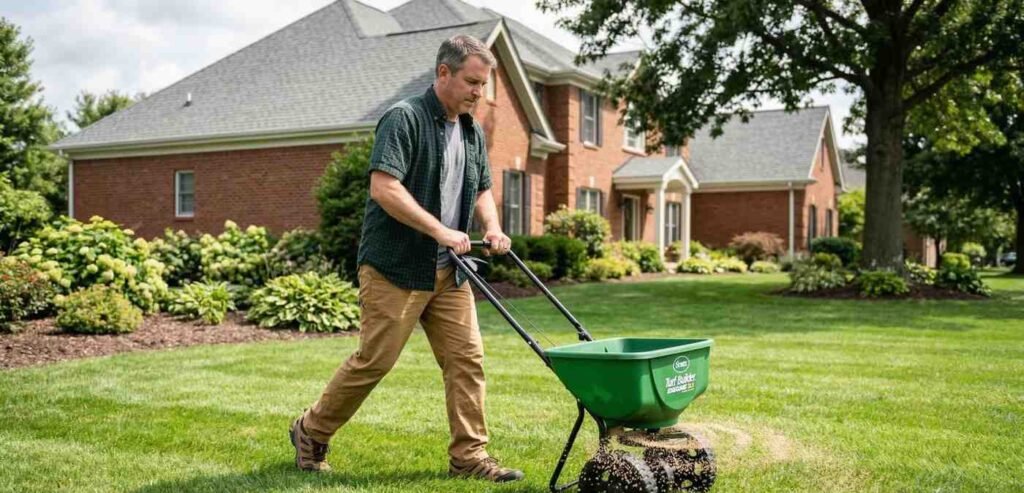
- Spread the Seed: Use a broadcast spreader for large areas or a hand spreader for small patches. Don’t overdo it! If you put down too much seed, the seedlings will compete for resources and end up weak and thin. Follow the bag’s coverage rate.
- Topdress: Lightly rake the seeds into the soil or cover them with a very thin layer (about 1/4 inch) of peat moss or compost. This hides the seed from birds and holds in crucial moisture.
Step 4: Watering Wisdom – Don’t Drown Your Hard Wor
Watering is where most well-intentioned homeowners ruin their lawns. The golden rule of watering your yard is: Deep and infrequent.
When you water your lawn every single day for 10 minutes, the water only penetrates the top inch of soil. Because the water is shallow, the grass roots stay shallow to drink it. Shallow roots mean weak grass that dies the second a drought hits.
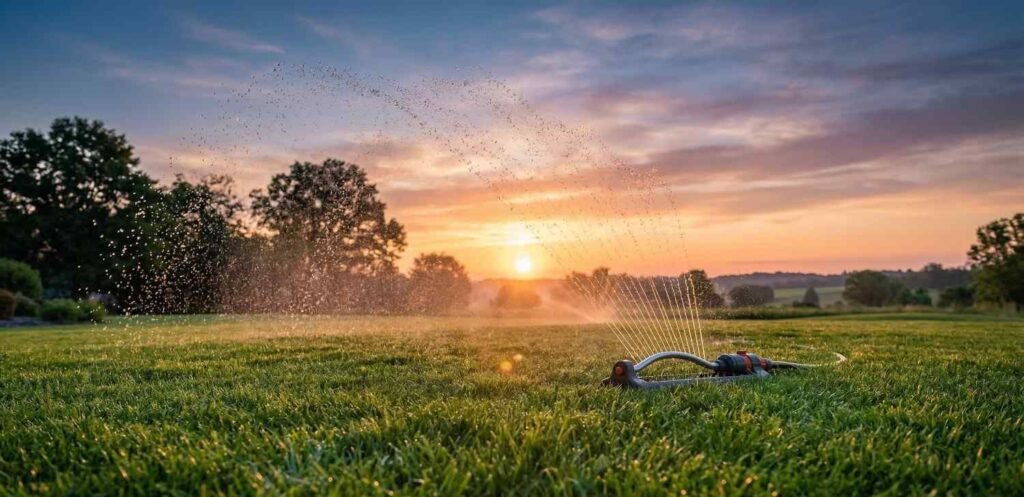
Instead, you want to train your grass roots to dive deep into the earth. You do this by watering deeply—about 1 inch of water per week—spread over one or two watering sessions.
The Tuna Can Trick: How do you know when you’ve watered 1 inch? Place a few empty tuna cans around your yard and turn on your sprinklers. You know your yard needs 45 minutes of watering a week.
Water in the Morning: Always water between 4:00 AM and 10:00 AM. Watering in the evening leaves the grass wet overnight, which is a massive invitation for fungal diseases to destroy your turf.
Step 5: Feeding the Beast (Fertilizers Demystified)
Grass is a hungry plant. Every time you mow, you are cutting away its energy-producing leaves, so it needs extra nutrients to recover and grow. If your passion for growing is grass that looks like a golf course, you need a solid fertilizer schedule.
When you look at a bag of fertilizer, you will see three numbers (e.g., 20-5-10). These represent the N-P-K ratio:
- Nitrogen (N): Promotes rapid, green, leafy growth. (The most important nutrient for grass).
- Phosphorus (P): Stimulates root growth. (Crucial for new seeds).
- Potassium (K): Helps with disease resistance and overall cellular health.
Organic vs. Synthetic
- Synthetic fertilizers give your lawn a fast, massive hit of green. They are cheap and effective but can burn your lawn if applied too heavily, and they don’t do much to improve long-term soil health.
- Organic fertilizers (like Milorganite or composted manure) break down slowly. They feed the beneficial microbes in the soil, which in turn feed your grass. They won’t burn your lawn, but they take longer to show results.
Pro Tip: Never fertilize a dormant lawn. If your grass has gone brown from a summer drought or winter freeze, forcing it to grow with fertilizer will severely damage it.
Step 6: Mowing – The 1/3 Rule
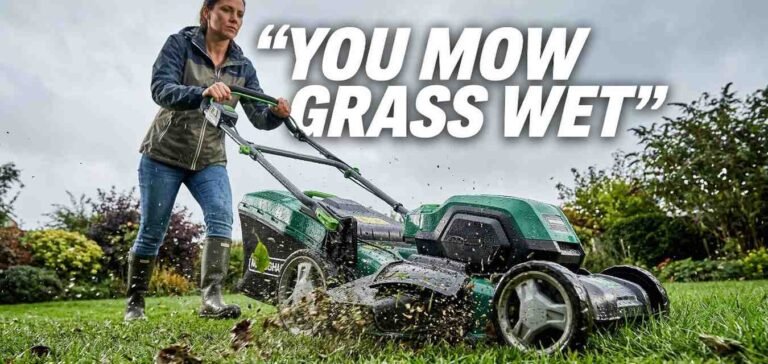
Mowing isn’t just a chore; it’s a pruning process. How you mow dictates how thick your lawn will be.
The biggest mistake you can make is “scalping” your lawn—cutting it super short so you don’t have to mow as often. Cutting grass too short stresses the plant, exposes the soil to the hot sun (which dries it out), and allows weed seeds the light they need to germinate.
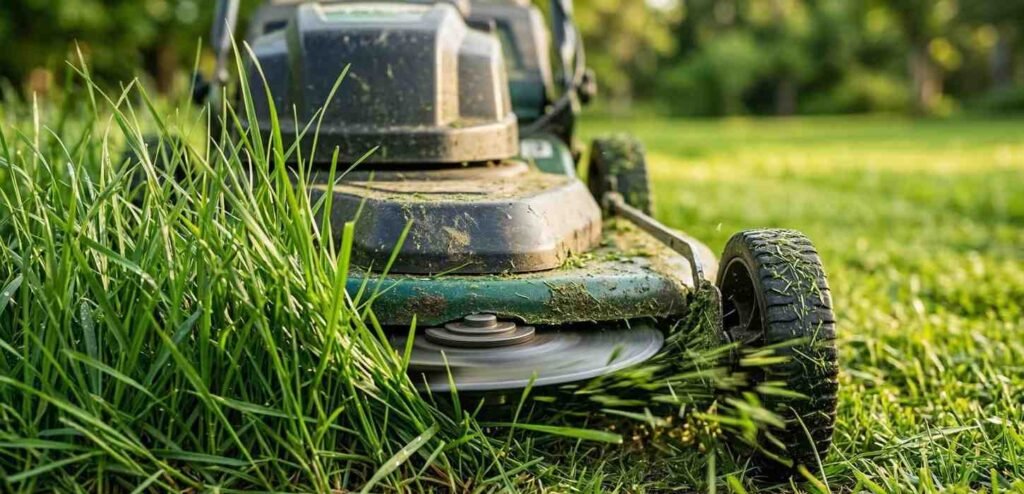
Follow the 1/3 Rule: Never cut off more than one-third of the grass blade’s height in a single mow. If you want your grass to be 2 inches tall, let it grow to 3 inches before you cut it.
Step 7: Troubleshooting Weeds, Pests, and Diseases
Even the best-kept lawns will run into trouble. Here is how to handle the inevitable hurdles.
Weed Control
The best and effective defense against weeds is a thick and healthy lawn. Weeds are only grow where the grass is thin.
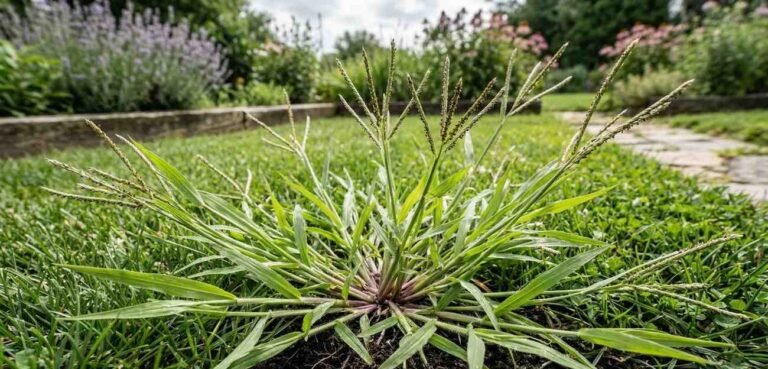
- Pre-emergent herbicides: Apply these in early spring before soil temperatures reach 55°F (13°C). They create a barrier in the soil that stops weed seeds (like crabgrass) from germinating.
- Post-emergent herbicides: Use these to spot-treat broadleaf weeds (like dandelions or clover) that have already sprouted.
Pests (Grubs and Chinch Bugs)
If your lawn feels spongy when you walk on it, or if you can pull the grass up like a loose carpet, you likely have grubs. Grubs are beetle larvae that live in the soil and eat grass roots. You’ll need to apply a grub control treatment in late spring or early summer to catch them before they do massive damage.
Fungal Diseases
Brown patches, red thread, or powdery mildew are usually signs of a fungal infection. These almost always stem from poor watering habits (watering at night) or severe soil compaction. Adjust your watering schedule first, and if the problem persists, apply a lawn fungicide.
The Financial Value of a Great Lawn
Let’s talk about why you are putting in all this effort, particularly in high-property-value areas across the US and the UK. A pristine lawn isn’t just about neighborhood pride; it’s an investment. Studies consistently show that excellent landscaping can add anywhere from 5% to 11% to the perceived value of a home.
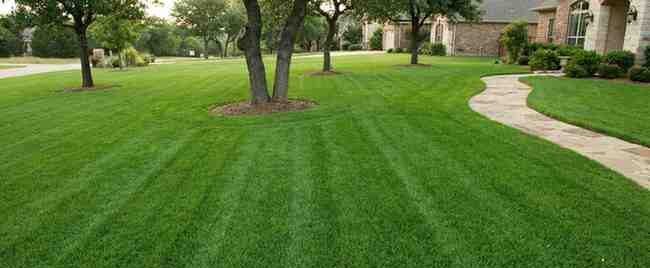
When a potential buyer pulls up to a house, the lawn is the very first thing they see. It signals to them how well the rest of the property has been maintained. A thick, weed-free lawn suggests that the homeowner cares about the details. So, while buying quality seed, investing in a good mower, and spending your Saturday mornings edging the driveway might feel like a chore, remember that growing is grass that pays you back in property equity.
Final Thoughts: Patience is Your Best Tool
Creating a spectacular lawn is not a weekend DIY project. It is a seasonal rhythm. It takes time for soil amendments to change the pH. It takes time for seeds to germinate and establish deep roots. It takes patience to slowly thicken a lawn year after year through consistent aeration and overseeding.
Don’t get discouraged if your yard isn’t perfect in month one. Celebrate the small victories—the patch that finally filled in, the weeds that didn’t come back this spring, the rich green color that held strong through the summer heat.
Stick to the fundamentals. Water deeply. Mow high. Feed the soil. If you follow these steps and respect the climate you live in, you will absolutely transform your yard. Remember, underneath the fertilizers, the mowers, and the schedules, the heart of the matter is simple: growing is grass, and grass just wants to grow. Give it the right environment, and it will do the rest.