Best Grass Seed : Guide for Choosing, Planting, and Growing a Perfect Lawn
Introduction
Every homeowner wants their lawn to be lush and beautiful to enhance the beauty of their home. Whether you want soft grass for your kids to play on, a sturdy surface for your pets, or just to add to the beauty of your home, success depends on choosing the right grass seed for your situation.
If you go to the market or look online, you will find so many options that it can be confusing. Big claims are written on seed packets, such as ‘fast-growing’ or ‘best in heat and shade,’ which makes it difficult to decide what will actually be best for your home. The truth is, there is no one seed that works everywhere. Grass that is best in cool areas will quickly wither in the hot sun.
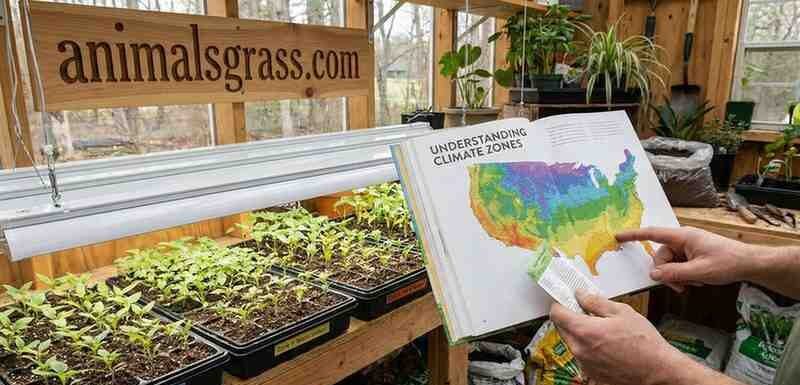
Understanding Climate Zones
Grass is also a living thing and is greatly affected by temperature. It is generally divided into two categories: cool-season grasses and warm-season grasses. Often, lawns fail because we choose the wrong seeds for our area’s climate.
Cool-season grasses are best for those living in the northern parts of the United States (such as New England). The winters are cold and the heat is mild. This grass grows best when the temperature is between 60 and 75 degrees Fahrenheit. It thrives in spring and fall, but if it is not watered regularly during hot weather, it will wilt.
In contrast, the southern regions fall into the warm-season zone. Here, the heat and humidity are high and the cold is low. Here, you want a grass that loves heat and grows quickly in 80 to 95 degrees. This grass turns brown and goes dormant with the first frost, then greens up again the following spring when the ground warms up.
Cool-Season Grass Varieties
For those who live in colder climates, there are three types of grass that are generally considered the best: Kentucky bluegrass, ryegrass, and fescues. All three have their own strengths and weaknesses, which should be considered when making a decision.
- Kentucky Bluegrass: This is the most popular cool-season grass. Its deep green color and soft texture give it the luxurious look we often see in the lawns of the wealthy. Its greatest advantage is that it spreads underground, meaning that if the grass is uprooted or there is a gap, it fills it in on its own. But this beauty comes at a price. Its roots are small, so it needs a lot of water, fertilizer, and sun. If your garden is shaded or you don’t want to put much effort into your lawn, this is not for you.
- Perennial Ryegrass: This grass is often planted in combination with bluegrass. Its The biggest advantage is its speed. Where bluegrass can take months to germinate, it emerges in 5 to 7 days. It grips the ground firmly. It is quite tough. If you have children playing cricket or pets running around in your house, it is perfect because it can withstand the pressure of footsteps. The only problem is that it does not spread itself; if a patch becomes bare, you will have to reseed it.
- Fescues: This is the best grass for difficult areas.

Warm-Season Grass Varieties
Those living in the South have different problems, they need grass that can withstand the hot sun and intense heat. Here, three names are generally the most popular: Bermuda, Zoysia and Bahia.
- Bermuda Grass: It is called the king of southern lawns. It is for those who want a very strong grass. It spreads quickly both above and below the ground and forms a dense mat. If it is damaged somewhere, it heals itself quickly, so it is perfect for areas with a lot of traffic. But it also has its drawbacks. It needs to be cut frequently and fertilized regularly to keep it beautiful. It does not work at all in the shade, it needs full sun all day.
- Zoysia Grass: This is perfect for those who want both beauty and strength. It looks like a carpet after it grows and is a pleasure to walk on it barefoot. It is so dense that it does not allow wild weeds to grow. It tolerates a little more shade than Bermuda. However, its seed germinates very slowly, so it requires patience to plant it. But once it is established, it requires very little water and maintenance.
- Bahia Grass: If you live in a coastal or sandy area, this grass is the best. It is quite hardy and has deep roots. It grows even in poor and sandy soil where other grasses die. It is not as fancy to look at, but it is not as demanding on water and fertilizer.

Evaluating Your Yard’s Specific Conditions
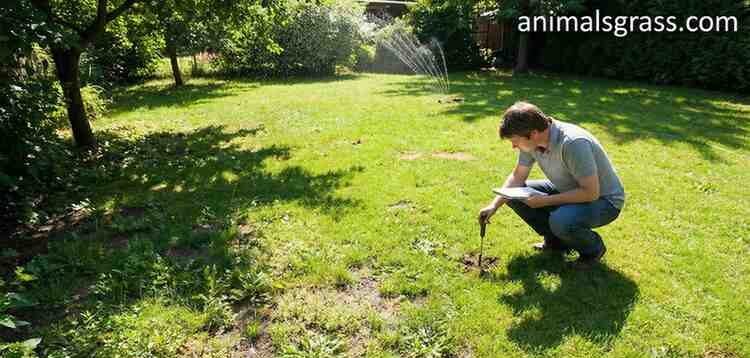
It’s not enough to just know your area’s climate. To choose the best seeds for your home, you need to take a close look at your yard’s conditions. Three things will determine your success: how much sun it gets, how much walking there is, and how well the soil drains.
- Sunlight: Sun is grass’ food, so get a good idea of how much sun your yard gets.
Full Sun: This means 6 to 8 hours of direct sunlight per day. If so, you can plant Kentucky, Bermuda, or ryegrass.
Partial Shade: This means 4 to 6 hours of sun, or light filtered through trees. Tall fescue or Zoysia will do well here.
Deep Shade: This means less than 4 hours of sun. This is the toughest environment for grass. Only fine fescue can do here, but if it’s too dark, add plants or mulch instead of wasting money on grass.
- Walking: The second important thing is how the lawn will be used. Be realistic. If you have large dogs or kids play soccer, you want a hardy grass that will recover quickly.
- Soil moisture: Finally, look at your soil. If your area is dry or you don’t want to water daily, look for “Water Smart” seeds or plant grasses that have deep roots, such as tall fescue or Bermuda. On the other hand, if your soil is clayey and stays wet all the time, you may have problems.
Read a Seed Label Like a Professional
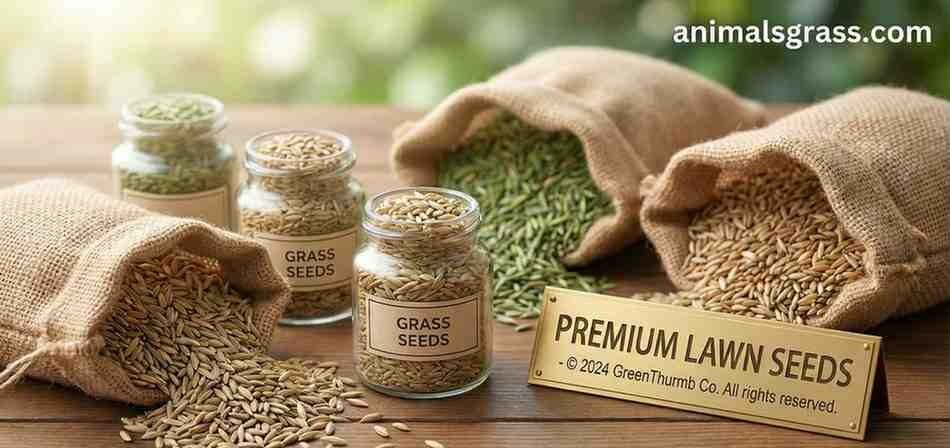
The most important skill when buying weed seeds is to know how to read the label on the back of the bag. The front of the packet is just advertising, which is often misleading, but the information on the back is always true. To find the best seeds, look carefully at these three things on the label:
- Weed Seed: This is the most important number. It tells you what percentage of the seeds in the bag are not weeds, but weeds. Always look for a packet that says 0.01% or even better 0.00%. 0.5% may seem like a small amount, but in a 5-pound bag it means thousands of weeds that will grow in your lawn and cause immediate trouble. Cheap seeds often have a lot of this stuff, which will waste your time and money later.
- Inert Matter: This refers to soil, straw, or garbage. It does not harm your lawn but is just ‘filler’, i.e. weighting material. If it is high, then you are getting less real seeds and you are paying for garbage.
- Noxious Weeds: Look carefully at this line. It should always say ‘None Found’ or 0.00%. These are dangerous and stubborn plants that are very difficult to eradicate and are also bad for the environment. Never compromise on this.

The Planting Process
Once you have purchased the best seed, the next step is to plant it. Many people fail not because the seed was bad, but because they were lazy in preparing the soil. If you simply throw the seed on hard, compacted soil, the grass has little chance of growing. The seed needs to be in contact with the soft soil to germinate.
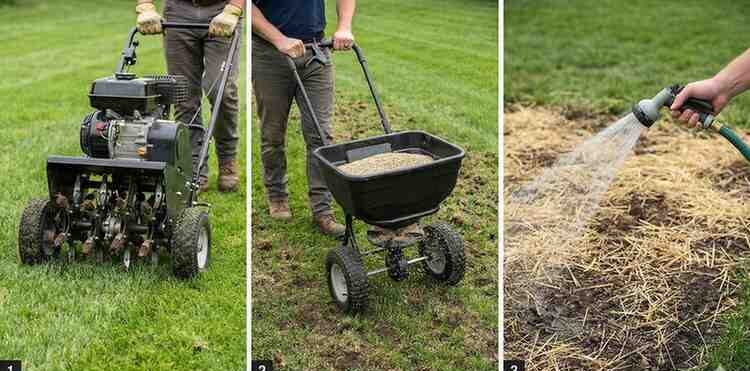
- Soil preparation: The first step is to prepare the soil. If the soil is very hard (such as in new homes or areas with a lot of foot traffic), you should rent an ‘aerator’ machine. This machine removes small pieces of soil from the soil, which softens the soil and allows air, water, and seeds to enter. Then, rake the soil to loosen the top layer of soil. The surface should be level. If you are building a brand new lawn, also test the soil to ensure that the pH level is between 6.0 and 7.0.
- Seeding method: Use a spreader instead of your hands to spread the seeds. A professional method is to divide the seed into two parts. Spread half lengthwise (north to south) and the other half widthwise (east to west). This will create a ‘check’ or grid and there will be no gaps or streaks of grass anywhere. After spreading the seeds, gently work them into the soil. The goal is just to cover the seeds with a very light layer of soil (about a quarter of an inch). Don’t press them too deep or they will die before they can emerge.
- Fertilizer and protection: Be sure to use ‘starter fertilizer’ when sowing. Regular fertilizer contains nitrogen which promotes leaf growth, but ‘starter fertilizer’ “Manure is high in phosphorus, which strengthens the roots, and that’s what new plants need. Finally, cover the seedbed with a little straw or mulch to help retain moisture in the soil and prevent birds from eating your seeds.
The Critical Role of Watering and Maintenance
The most important thing to do in the weeks after planting is to water it. Even the best seed in the world will die if it is allowed to dry out while it is growing.
- How to water (initially): The rule for new seed is simple: keep the soil moist, but not soggy.
- Change the watering schedule: When the grass has sprouted and is about 1 to 2 inches tall, change your watering schedule.
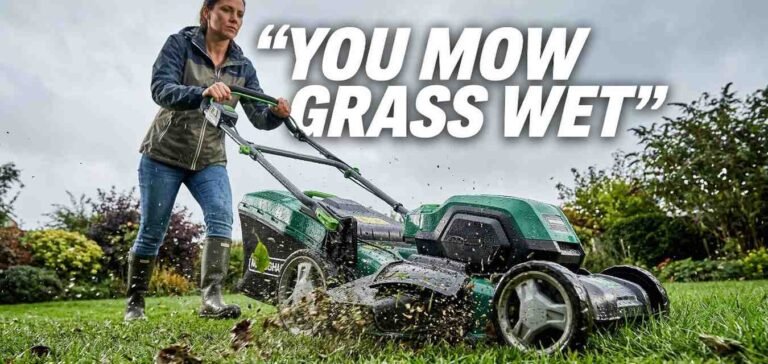
- Mowing: The first mowing of a new lawn is a big accomplishment. But don’t rush.
Most importantly: Your mower’s blade should be sharp. A dull blade will tear the tender grass instead of cutting it, which can uproot and spread disease.
- Keep the mower high and only cut a small amount of the grass above.
- Creating a great lawn is both a science and a test of patience. “Best” is what works for your conditions.
- You’ve chosen the right seeds for your area, your sun, and your soil.
- Read the label and get a good quality one.
- Prepared the soil with care.