Do Bunnies Eat Grass? The Ultimate Guide to a Rabbit’s Diet
Do Bunnies Eat Grass?
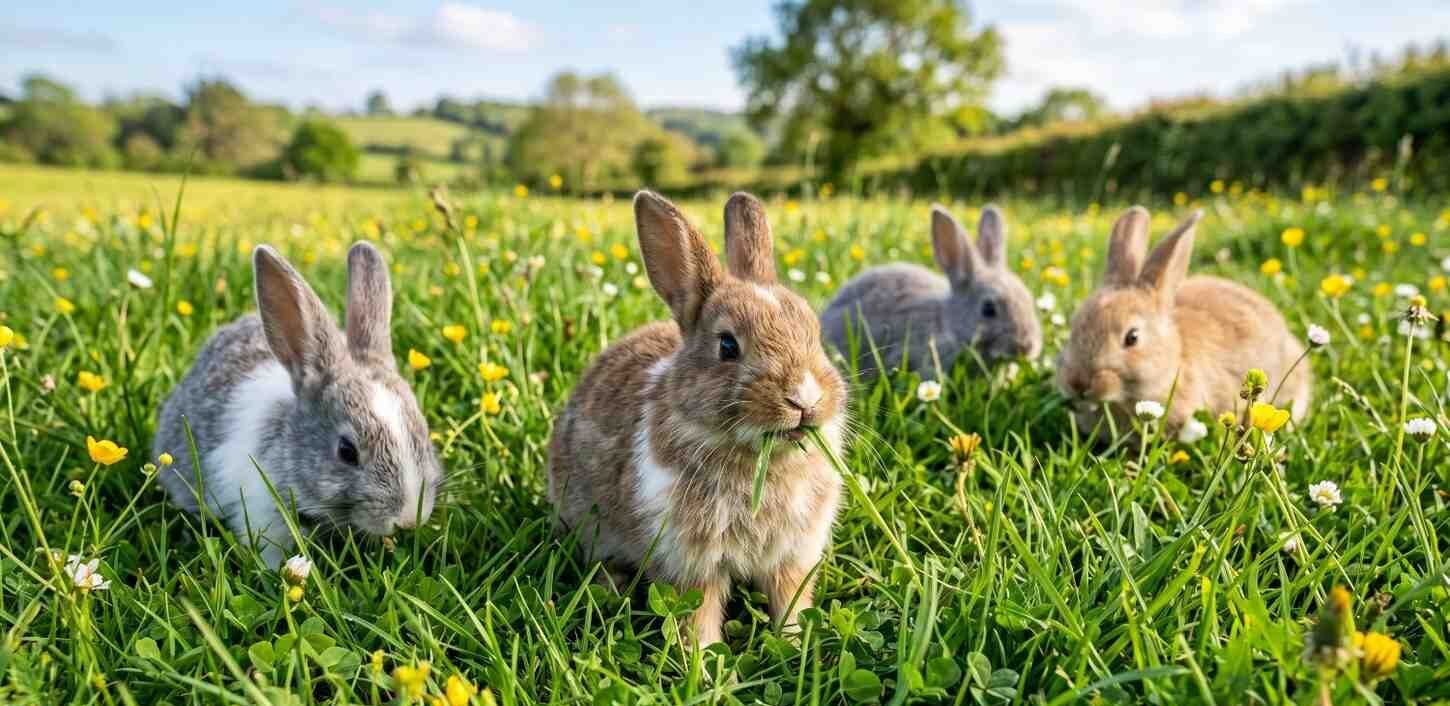
In a word, the answer is a big yes. If you’ve ever wondered, do bunnies eat grass, then you’re looking at the most vital component of a healthy rabbit’s daily diet. Rabbits are grazing herbivores, and in the wild they spend the great majority of their waking hours munching grasses and fibrous vegetation. Domestic rabbits have exactly the same biological necessity.
Hay and fresh grass should make up roughly 80% to 90% of your pet bunny’s entire meal intake. A rabbit with insufficient grass will swiftly develop significant health problems that can often be life-threatening. Their digestive processes are specially adapted for continuously digesting plant that is heavy in fiber and low in calories. A diet rich in grass keeps your bunny’s intestines flowing and its fast-growing teeth well filed. The key to responsible rabbit ownership is knowing just how and what kind of grass to feed them.
The Biological Importance of Grass for Rabbits
To really understand why grass is so important, you really have to look at a rabbit’s anatomy. Rabbit teeth never stop growing. In fact, their incisors can grow up to five inches in a single year if left untreated. This constant back and forth grinding motion needed to break down the strong silica and fibers in grass acts like natural sandpaper. This mechanical chewing preserves their teeth at a safe, functioning length.
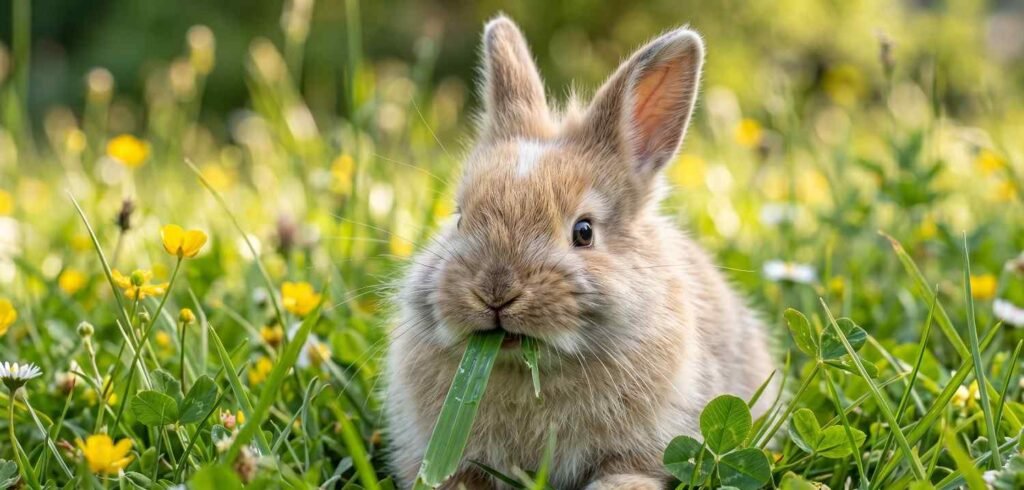
Grass also offers the dental health and roughage that a rabbit’s sophisticated digestive system needs. Rabbits are hindgut fermenters, which means they have a specific organ called the cecum that ferments and breaks down plant fibers. A continual supply of grass supplies indigestible fiber which moves food throughout the intestine. If a rabbit stops eating fibrous grass, their digestive tract slows down or stops working altogether. This is called gastrointestinal (GI) stasis and is very harmful and a significant cause of mortality in pet rabbits.
Fresh Grass vs. Hay: What Is the Difference?
Fresh grass and hay are essentially the same plant, but they differ widely in the amount of moisture they contain and in the way they are used on a farm. Hay is hay that has been harvested, dried and cured for storage over a lengthy period of time. Hay is the most practical staple for indoor rabbits because it contains no water, is high in fiber and less likely to deteriorate.
| Feature | Fresh Grass | Dried Grass (Hay) |
| Moisture Content | High (around 70-80%) | Low (usually under 15%) |
| Nutrient Density | Higher in vitamins A and E | High in stable fiber |
| Availability | Seasonal and weather-dependent | Available year-round |
| Storage | Must be eaten immediately | Can be stored for months |
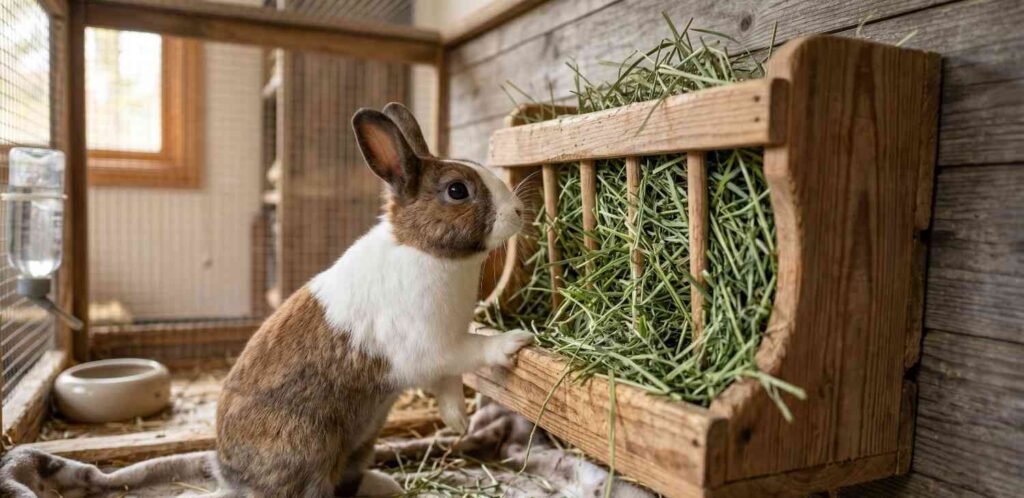
Fresh grass is safe for your rabbit to eat, but hay must always be available in endless supply. Fresh grass is a lovely moistening treat that simulates their natural grazing. But if you only use fresh grass you need a huge pesticide free lawn and you have to be on watch all the time to make sure it hasn’t wilted or molded. Most owners find a hybrid approach is best: unlimited hay indoors, with supervised grazing on fresh grass outdoors.
Safe Types of Grass for Bunnies
Not all grasses are equal when it comes to your bunny’s digestion. The best grasses are high in fiber, low in calcium and free of harmful chemicals. When acquiring fresh grass or buying hay, you should look for the exact types that fit a rabbit’s nutritional profile.
- Timothy Grass: The gold standard for adult rabbits. It has the perfect balance of high fiber, low protein and low calcium.
- Orchard Grass: If your rabbit is a finicky eater or if you have allergies to Timothy hay, orchard grass is a perfect option.
- Bermuda Grass: A very healthy and safe choice with excellent roughage, but may be tougher to find in some areas.
- Oat Grass: This is a thick and very tasty grass, although slightly higher in calories it is perfectly acceptable to consume. Best fed in moderation or mixed with Timothy.
- Meadow Grass: Generally a blend of several wild grasses and harmless weeds, it is made to resemble what a wild rabbit might eat.
Grasses and Plants to Strictly Avoid
So the short answer to the question “do bunnies eat grass” is yes, but there are stringent limitations to where that grass originates from. The main threat to a domestic rabbit is not the grass itself, but human interference. Never allow your rabbit to eat any grass which has been treated with chemical fertilisers, herbicides or pesticides. Even trace amounts of lawn chemicals can be extremely toxic to a small herbivore.
Don’t feed your rabbit lawnmower clippings, either. The blades of grass are crushed by the heat and mechanical action of a lawnmower and fermentation starts rapidly. If a rabbit then eats this pre-fermented grass it can cause severe gas build up and unpleasant bloating in their stomachs. Because rabbits cannot physically burp or vomit, this trapped gas can become lethal very quickly. Always hand-pick new grass or let your rabbit graze directly on safe soil.
Finally, be aware of hazardous weeds that may grow hidden within typical grass. Plants like buttercups, clover (in large quantities, too much quantities), nightshade, foxglove are poisonous. If you are not sure you can identify the plants in your yard, then stick to commercially cultivated hay.
How to Safely Introduce Fresh Grass to Your Rabbit
You can’t suddenly change your rabbit into a fresh-grass-eater if it has always eaten dried hay and pellets. Rabbits have very delicate gut flora that is vulnerable to sudden changes in nutrition. If you introduce new grass that is too wet too quickly, their digestive system can be overwhelmed and they may have loose stools or diarrhea.
Start by adding a few selected blades of fresh clean grass to their regular diet. Watch your rabbit’s dropping over the next 24 hours. If their fecal pellets stay round, dry, and normal, you can slightly increase the amount of fresh grass the next day. This slow introduction allows the cecum to adapt the bacterial equilibrium.
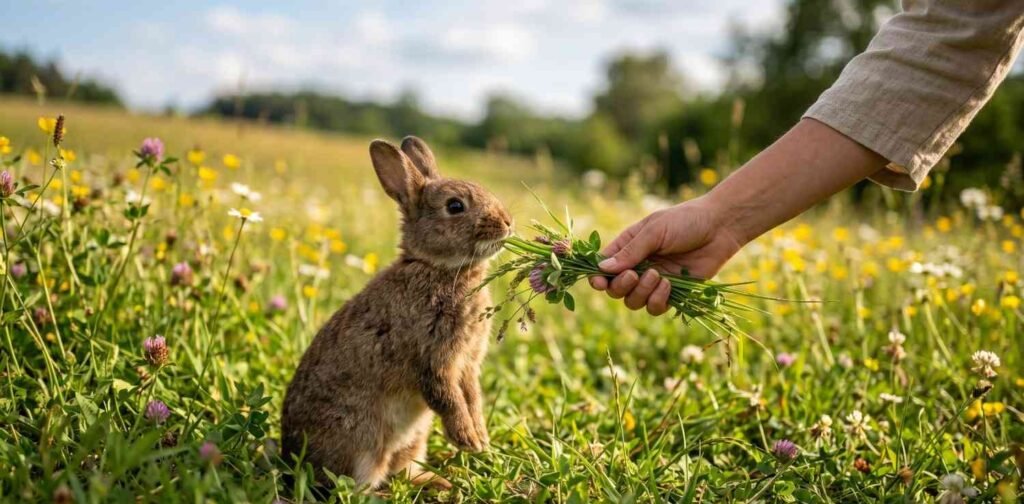
If you observe any signs of loose stools or upset digestion, discontinue the fresh grass immediately and go back to a strict diet of dry hay and water. Adult rabbits can comfortably graze on fresh grass for a few hours a day once their digestive system is properly adjusted.
Can Baby Bunnies Eat Grass?
The guidelines for diet change quite a bit when it comes to baby rabbits, aka kits. Baby bunnies have very sensitive digestive tracts, which are still building the microorganisms they need to break down complex plants. They are totally dependent on their mother’s milk for the first few weeks of their lives.
Around three to four weeks of age, newborn bunnies will begin to nibble on foods. At this stage they should be offered Alfalfa hay, not the usual grass hays such as Timothy. Alfalfa is actually a legume, not a grass, and it contains much more protein, fat and calcium. These extra nutrients are vital for sustaining a kit’s rapid bone and muscle growth.
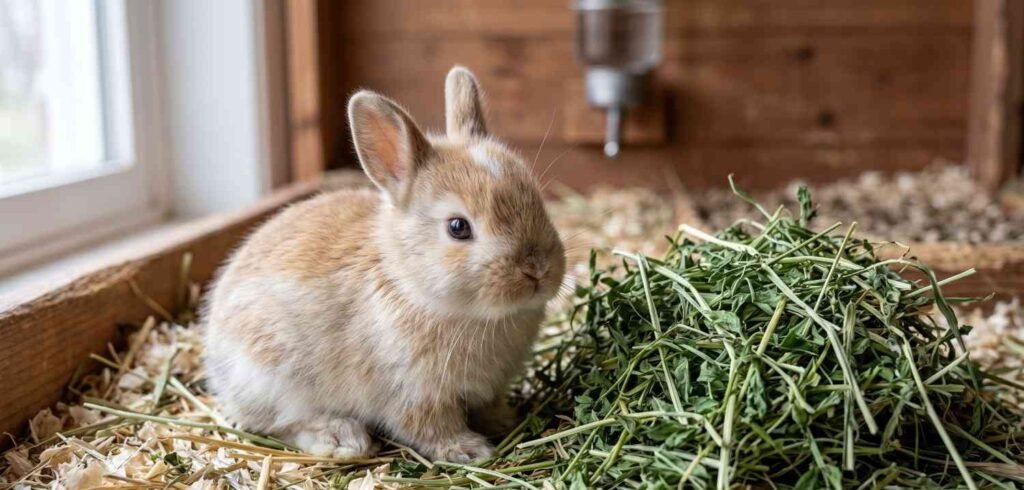
Never give newborn rabbits under six months old fresh, wet grass. Their intestinal bacteria is too immature to cope with the high water and fluctuating sugar content of fresh grass. When the rabbit is six months old, matured, you want to wean them off of Alfalfa and onto adult grasses such as Timothy. You also want to be careful introducing fresh greens.
Growing Your Own Bunny-Safe Grass
Growing your own grass is a great answer if you live in an apartment or don’t have access to a safe, pesticide-free yard. Growing tiny trays of fresh grass indoors is surprisingly easy. This means that your rabbit gets a safe, chemical-free treat year-round.
You can buy untreated wheatgrass, oat or barley seeds from health food stores or pet suppliers. In shallow trays, plant in unfed organic potting soil. Keep the soil moist and set the tray in a sunny window. And you will have a rich crop of fresh grass in seven to 10 days.
You may either chop the grass with scissors and hand feed to your rabbit, or put the whole tray in their enclosure for supervised grazing. Having your own grass comes in handy especially when you can’t graze outside in the winter months. Plus it’s great mental stimulation and enrichment for your cat.
Identifying Signs of a Poor Diet
Since grass and hay are so critical to a rabbit’s health, the absence of it will soon show itself in the form of bodily complaints. As an owner you should be aware of warning signals that your diet is low in fiber. The most typical sign is a difference in how their stool comes out. Healthy rabbit droppings are huge, completely spherical, dry, and crumbly.
If the droppings are tiny, malformed, linked together with fur or are completely absent your rabbit is not receiving enough grass. It is an early indication of GI stasis. Overgrown teeth is another bad flag. If your rabbit is dropping food from his mouth, drooling or reluctant to eat, it may be that their teeth have grown too long since they haven’t been chewing enough grass.
In these instances, quick veterinary attention is essential. But the long term prescription will always be the same: a big increase in high grade grass and hay.
Conclusion
So do rabbits eat grass? “They don’t just eat it, they rely on it totally for their survival.” Your rabbit’s diet is built on fibrous grasses, whether they come from fresh, sun-kissed yard grass or severely dried indoor Timothy hay. It regulates their digestion, assures their oral health, and supplies them with crucial psychological enrichment.
The single most important thing you can do to increase your rabbit’s lifetime is to provide them with limitless access to safe, untreated grasses. Introduce any new greens cautiously, avoiding lawnmower clippings and pesticide-treated lawns. Master that piece of their nutrition and you will have a happy, healthy companion for many years to come.