Do Lions Eat Grass? The Surprising Truth About Big Cat Diets
The Awe-Inspiring Truth About What Big Cats Eat
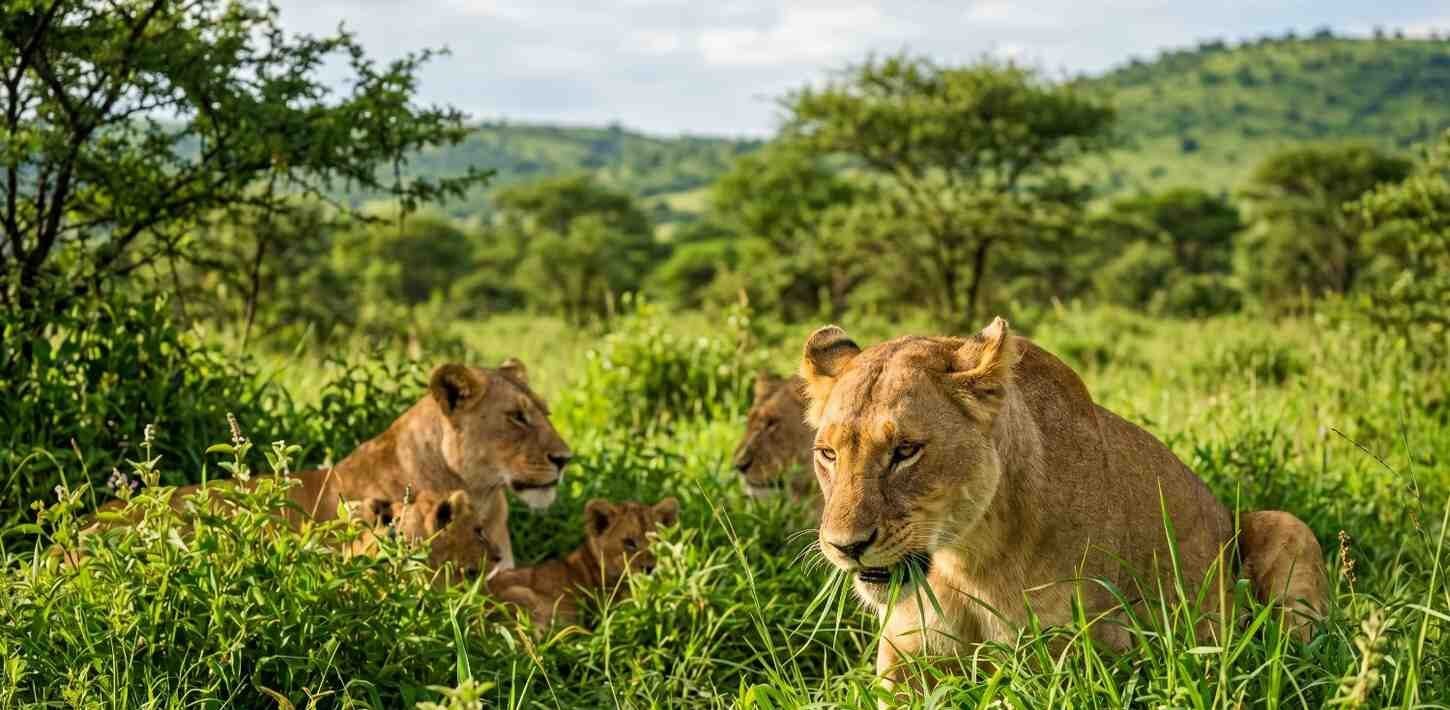
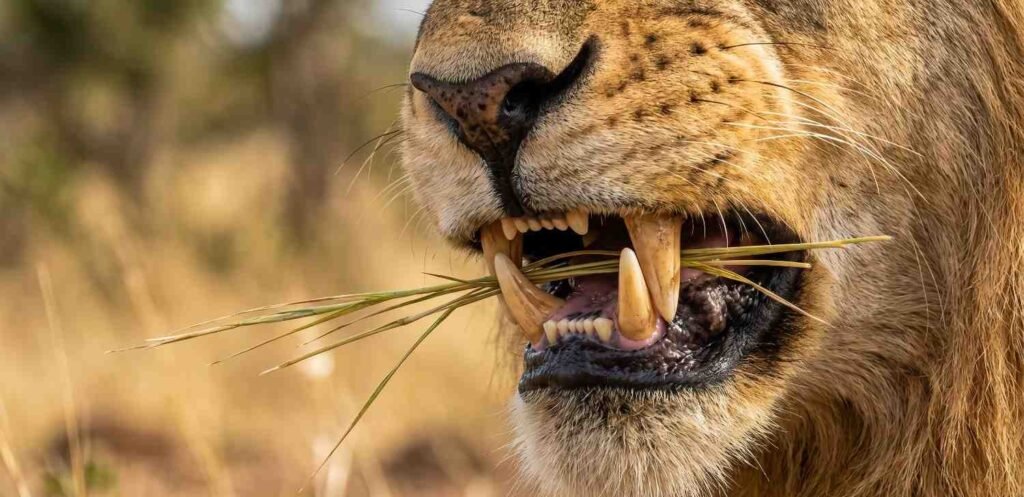
When you think of a lion in the wild, you probably picture a ferocious predator hunting down a herd of zebras or resting under an acacia tree. I doubt you image the “King of the Jungle” munching on grass in a field like some ordinary cow. But nature is full of surprises and large cat eating habits are no exception. Do lions eat grass? The quick answer, is yes, certainly they do. Lions do snack on vegetables from time to time, but the main majority of their diet is meat.
This is not the anticipated behavior and often leaves safari-goers and wildlife aficionados scratching their heads in perplexity. Lions, after all, have sharp teeth for ripping flesh, not flat molars for grinding difficult plant materials. They are obligate carnivores , meaning their bodies require meat to survive and thrive . But it is not too uncommon to see a huge male lion daintily snipping at some green grass on the African savanna. We must study feline biology in depth to explain this phenomenon.
The reasons for this quirky behavior are deeply rooted in a lion’s digestive health and survival instincts. Eating grass is not a symptom of famine or lack of available prey in their region. Instead, it plays a very particular, almost therapeutic role for these top predators. In this essay we will go into just why lions consume grass, how it impacts their bodies and what it reveals about big cat biology.
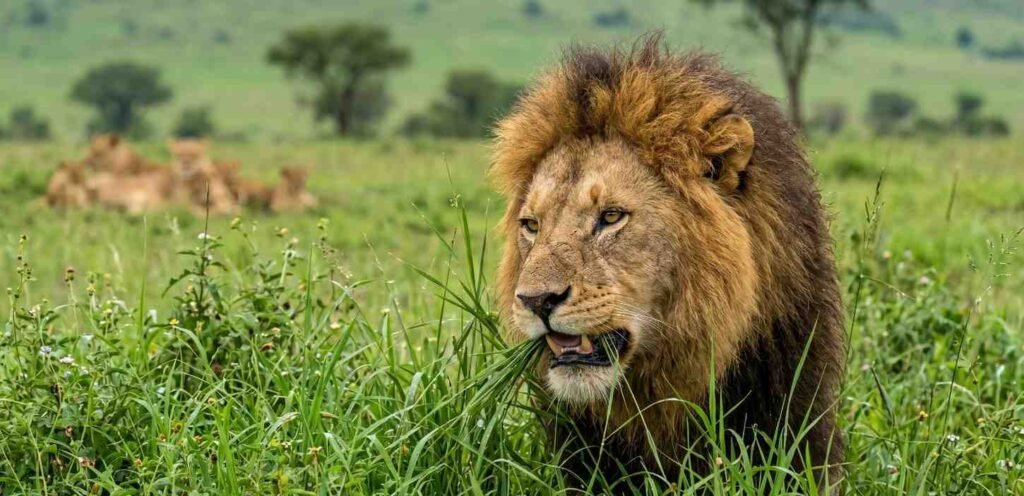
Why Do Lions Eat Grass? The Science of the Behavior
To solve the riddle of why lions consume grass, we have to go inside their stomachs. Raw meat, skin, bones and fur of their prey. A lion’s diet is mainly made of these. Their powerful stomach acids are incredibly effective at breaking down proteins and bone, but they can’t digest all they eat. Thick animal hair and rough feathers are indigestible substances that can accumulate rapidly un a lion’s digestive tract. This might cause severe stomach distress, obstructions or general discomfort over time.
When a lion experiences this inside discomfort, instinct takes control and they look for a natural cure. The stiff strands of grass irritate the lining of the lion’s stomach when he eats it. Lions don’t have the digestive enzymes to digest plants . The grass is completely intact . This physical irritation serves as a natural emetic, causing the lion to vomit successfully. The lion then vomits up the grass . In the process , the fur , feathers , and fragments of bone that were stuck inside are also thrown up , relieving the lion of its discomfort .
Eating grass not only clears indigestible trash but also helps eliminate intestinal parasites. Wild lions are frequently exposed to different intestinal worms and parasites through the raw meat they devour. The rough texture of grass blades may aid to physically expel these unwanted guests from the lining of the stomach. The parasites are then dislodged and vomited up with the grass and hairballs. This amazing self-medication keeps their digestive systems clean and functioning at their peak.
The significance of folic acid in the cat’s diet
Lions mainly consume grass to empty the stomach but there is another biological explanation involved. Some wildlife biologists believe that munching on grass gives large cats trace amounts of important vitamins. Specifically, grass includes folic acid, which is a crucial vitamin that contributes in the formation of hemoglobin. Hemoglobin is a protein that is found in red blood cells and carries oxygen throughout the body. Animals who don’t get enough folic acid can develop anemia and slow growth.
Lions obtain most of the folic acid they need from consuming the liver and tissue of their prey. But sometimes a lion’s food in the wild may be erratic or imbalanced depending on the season. A lion may have a slight nutritional deficiency if there are times when some prey is not available . Nibbling on fresh, green grass juices might deliver a modest, although useful, boost of this crucial nutrient.
It is vital to remember that the digestive system of the lion is not adapted to take vast amounts of nutrients from vegetation. The grass itself passes through or is voided in nearly undigested condition. So the folic acid explanation is regarded a secondary advantage, not the primary cause of the behavior. But it does show the wonderful ways that wild creatures instinctively hunt for what their bodies require to survive.
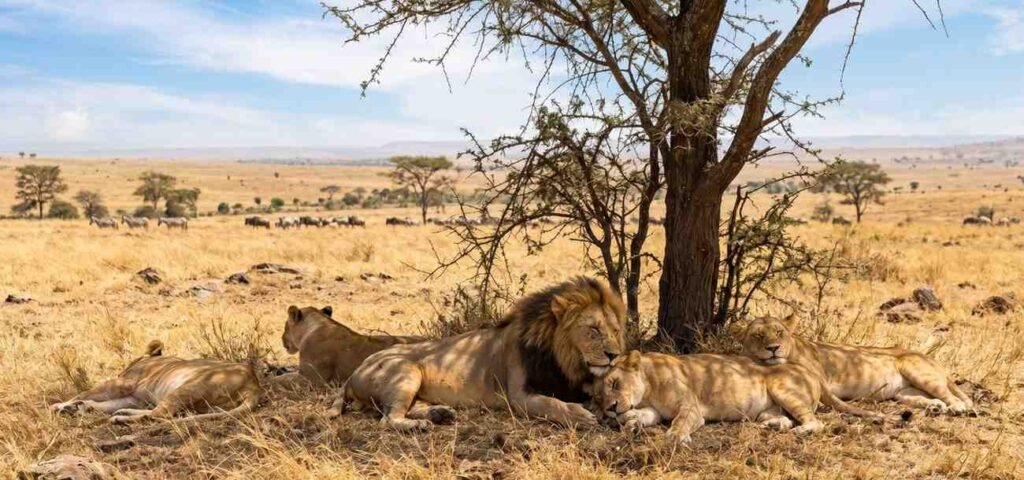
Obligate Carnivores vs. Occasional Grazers
Before we discuss the lion’s diet, we need to understand what an obligate carnivore is. An obligate carnivore is an animal that is physiologically programmed to process and obtain nutrients only from animal protein. Herbivores utilize specialized teeth , long digestive tracts , and the requisite gut flora to break down cellulose , yet they lack all of these . If a lion were to be fed a vegetarian diet it would soon die from starvation. Meat, for them, is not a matter of choice but a hard biological necessity.
That is why it seems so contrary to all we know about lions to witness them eating grass. But there is a difference between eating for nutrition and eating for mechanical digestion. When a cow eats grass, it chews the cud, using numerous stomachs to absorb energy and calories. When a lion eats grass it is just using the plant as a physical tool, like a scrub brush. The grass is eaten, serves its purpose of irritating the stomach, and is promptly spat out.
What comes after a lion eats grass?
If you are lucky enough to see a lion eating grass on safari, you may also see what happens next. It is not the most glamorous portion of wildlife watching, but it is a fascinating biological process. The lion’s stomach will usually start to contract within minutes of it taking a few mouthfuls of grass.
The lion may lower its head, open its jaws wide, and begin to heave rhythmically. Soon after the lion will bring out a tightly packed pile of grass, saliva and whatever indigestible matter was caught up in it. This lump is frequently a huge, cylindrical hairball, comparable to what a domestic house cat could leave on your rug.
Once the deed is done the lion usually shows quick indications of relief. They may shake their head, lick their chops and quickly return to their normal resting or hunting behaviours. For novice onlookers, this vomiting process can look scary, causing people to fear the lion is critically ill. But wildlife guides and veterinarians assure us this is a perfectly healthy and natural function. It is a proactive health measure, not a symptom of a deadly disease. Indeed, a lion that routinely purges its digestive tract in this manner is likely in superb physical shape.
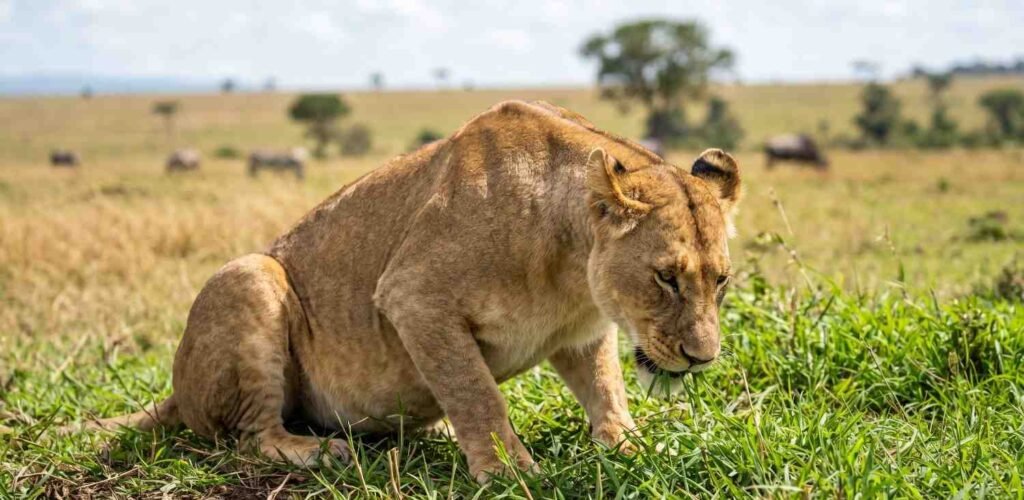
Lions vs. Domestic Cats: Are They the Same?
What is most interesting about asking the question “do lions eat grass” is just how much big cats are like small cats. If you own a domestic cat, you’ve probably seen it nibbling on your lawn or houseplants. The biological drive below is surprisingly the same in all cats, no matter the size.
Grass is a natural digestive help for a 400-pound African lion and a 10-pound tabby cat. Cats spend a lot of time grooming themselves, using their barbed tongues to clean their fur and eat the loose hair. Lions groom each other – a lot – for social bonding, although not nearly as obsessively as domestic cats. Also lions eat large amounts of fur and hide when they eat their prey on the savanna.
Either way, you end up with an uncomfortable lump of hair in your stomach that you have to throw up. This behavioral link is a sweet reminder of the evolutionary history shared by all cats. Their core biochemistry remains highly related, despite millions of years of separation and vastly different surroundings. Next time you get on your house cat for eating grass, remember the great King of the Jungle does the same thing. It is a universal feline trait that has stood the test of time.
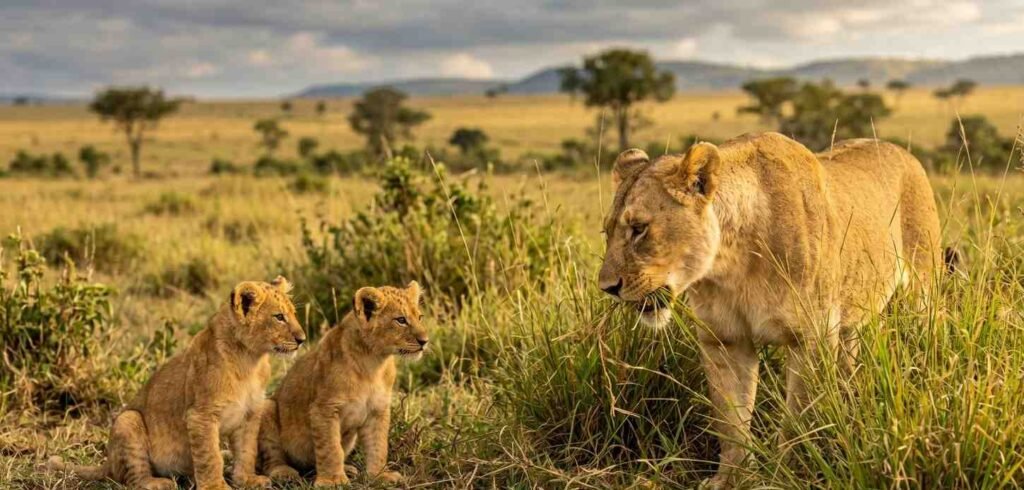
Cubs, do they learn to eat grass from grown lions? Lion society is incredibly complex, revolving around tight-knit family units called prides. The lion cubs spend their first years in these prides observing and imitating what their mothers and aunts do.
This raises the interesting question whether grass-eating is instinctive or learnt behavior. Studies show that it’s a blend of instinct and observational learning. A young cub with a tummy ache may naturally reach for roughage to help soothe the internal irritation. But observing the older members of the pride safely eating certain grasses certainly promotes the behavior.
Cubs are quite interested, and will typically inspect whatever the adults are sniffing or chewing on. They are moving from mother’s milk to solid meat, which is challenging their digestive systems in new ways. They also have to learn how to manage their own health when the tough animal hide and bones come in all of a sudden. The cubs quickly learn from the example of experienced adults which grasses give the best alleviation. This common information is just one small facet of the sophisticated survival culture within a lion pride.
Other Big Cats That Munch on Greens
Lions aren’t the only huge predators who eat plants when their tummies are disturbed. This is the very same grass chewing activity seen in almost all species of wild big cats in their particular habitats. In the thick jungles of India, tigers have been seen to devour tall, fibrous grasses thoroughly. In the same vein, leopards and cheetahs across the African continent will break from their hunting patrols for a taste of some choice foliage. Even solitary large cats in the Americas, such as jaguars and mountain lions, resort to this natural treatment.
The types of plants they eat vary widely , depending on the geographical region and local flora . But the procedure is the same: locate a stiff, fibrous leaf or blade of grass, chew, swallow and regurgitate. This is a very common pattern of behaviour and shows that this is not a peculiar habit of the lion, but a basic necessity of the animal.
Interestingly, wild canines such as wolves and foxes also eat grass for very similar reasons. That indicates that the evolutionary need to physically empty the digestive tract crosses the border between distinct families of carnivores. Nature has supplied predators with a basic, universal method for dealing with the inevitable dyspepsia that accompanies eating uncooked prey.
What is the Diet of Lions? The Main Diet of Lions
It’s fun to think about their grass-munching ways, but it’s good to remember what really powers a lion. Lions need huge amounts of protein to maintain their huge muscle mass and high energy output for hunting. Their diet consists mainly of medium to big ungulates, or hooved mammals, that live in their habitat. Wildebeest, zebra, buffalo and several kinds of antelope are the most frequent prey on the African savanna.
A grown male lion may eat up to 90 pounds (40 kilograms) of meat in one sitting. When they make a kill they like to eat the food rich internal organs first such as the heart, liver… These organs offer important vitamins, minerals, and the necessary moisture needed to survive in severe, arid settings.
In reality, lions can go days without drinking actual water, deriving much of their necessary hydration from the blood and tissues of their prey. They swallow the meat, the fat, and even smash smaller bones with their powerful jaws to obtain the marrow inside. This is exactly why they sometimes require grass . They eat so much animal stuff at a time . Their robust digestive systems work hard to process the enormous load, making an occasional “cleanse” very necessary.
Can grass hurt a lion?
For the most part, grass munching is a perfectly harmless and useful activity for wild lions. Their teeth and digestive systems are extraordinarily strong, intended to smash bones and tear through thick animal hides. But not all the flora of the savanna is totally harmless. Some types of grass have very sharp serrated edges which could theoretically cause small cuts or irritation.
If a lion ate a very tough or sharp blade of grass it might become stuck in their throat for a while. This could result in coughing, gagging or mild pain until the plant material is properly removed or vomited up. In addition, there are poisonous plants throughout their surroundings, which might be harmful if consumed. Fortunately, lions possess extremely developed senses of smell and taste, allowing them to easily discern between safe grasses and deadly plants.
In the wild, the benefits of eliminating a digestive blockage significantly exceed the slight dangers of a scratched throat. Lions are tough survivors and a little bit of prickly grass is nothing compared to what they have to deal with from rival predators or hostile prey. Therefore, wildlife specialists do not panic when they witness a lion grazing, knowing it is a calculated and safe survival practice.
Where Do Lions Find the Right Grass?
The African savanna is a habitat characterized by its wide, undulating grassland. That is why when stomach issue occurs, a lion is seldom far away from a natural treatment. During the wet season, the plains erupt with lush, green, fragile shoots that are simple for the lions to chew and consume. Fresh grasses probably have the largest contents of moisture and trace vitamins, such as folic acid.
During the dry seasons, which are often brutal, the landscape turns into a sea of coarse yellow and brown stalks. Even when the foliage is dry and brittle, lions will still use it for stomach relief. The coarser texture of dry grass might even be more efficient in physically scraping the stomach lining to produce vomiting. A lion does not need a manicured lawn, or a flawless lawn, any rugged fibrous vegetation will do.
This grass is typically found around watering holes, under the shelter of trees, or right out in the open plains. Their domain is basically made of grass, so they have the luxury of self-medicating whenever the instinct hits. It is a superb example of an animal that existed in perfect harmony with its environment’s resources.
Summary: An Even-Tempered Predator
So, the question of whether lions consume grass opens the door to a greater understanding of feline biology. They need huge amounts of meat to thrive , being strict obligate carnivores . But grass is important to their health . Lions can make themselves vomit on purpose by consuming indigestible plant debris to eliminate harmful obstructions from their stomachs.
It’s a great evolutionary characteristic that lets them shed extra hair, feathers, bits of bone and even internal parasites. So next time you’re watching a wildlife documentary or visiting a zoo, pay particular attention to the big cats. When you observe the huge King of the Jungle delicately grazing on a patch of vegetation you will know exactly what is happening.
This is not an identity crisis and it is not a sign of a failing ecology. It’s just a really well adapted apex predator that takes great care of its own internal health.
Frequently Asked Questions
Why do carnivores eat grass?
Lions eat grass not because they need it but to help digestion. They eat their prey whole, but the fur and bones they cannot digest collect in their intestines. The grass irritates the stomach lining and they vomit to get rid of the trapped, indigestible items.
Can a lion live on a vegetarian diet?
No, a lion cannot possibly live on a vegetarian diet. They are obligate carnivores, meaning their biology compels them to ingest animal protein, amino acids (such as taurine) and nutrients that can only be found in meat. Without meat, the lion would soon become severely malnourished and suffer organ failure.
Do Lions eat grass when sick?
Yes, grass munching is often a reaction to mild illness or upset stomach. A lion with a little upset stomach from anything it has eaten, or, from a build-up of parasites, may look for grass and eat it purposely to clear its system.
Do Lions simply consume grass for plant material?
Lions mostly eat grasses for their plant material . They will occasionally munch on soft leaves or plants . In the wild, though, they don’t eat fruits, berries or vegetables since their digestive systems aren’t designed to break those down for energy.
Do tigers and cheetahs eat grass as well?
Yes. All of the large cats display this habit . Tigers , cheetahs , leopards , and jaguars . Almost all of the members of the feline family have the same characteristic of eating grass to cleanse their digestive system.