Comprehensive Guide to the Anatolian Shepherd: Traits, Care, & History
Anatolian Shepherd Dog – Introduction
Welcome to the world of the Anatolian Shepherd, a breed designed for ultimate protection and loyalty. This large dog demands respect with nothing but its size and its exceedingly calm disposition. For thousands of years these amazing dogs have guarded flocks in the wildest of conditions. If you are thinking about introducing one into your home, you must first know their particular features.
Let’s go deeper into what makes this ancient breed so special. Buying a livestock guardian dog (LGD) is a whole different ballgame than owning a normal pet retriever or spaniel. The Anatolian Shepherd was bred to think autonomously and make life-or-death decisions without human direction. This amazing intelligence makes them wonderful protectors but hard partners for rookie owners. They need a way of life, plenty of room and a committed leader. The first step is understanding their attitude.
A Rich Past and Deep-Rooted History
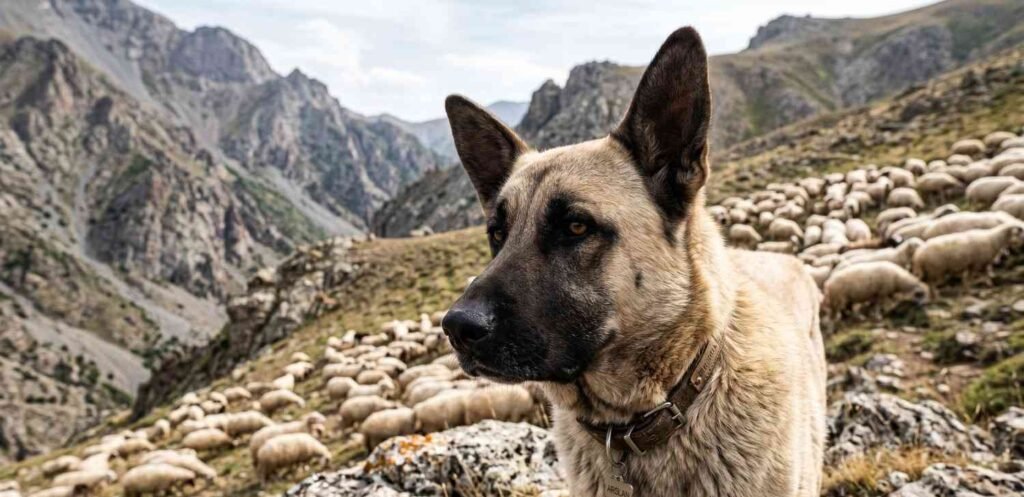
The Anatolian Shepherd has its origins on the rocky Anatolian Plateau of Turkey. Created approximately 6,000 years ago by nomadic shepherds to defend their treasured flocks. They needed a dog that could fend off fearsome predators such as wolves, bears and cheetahs. In the harsh climate only the fittest and most adapted dogs could live. They are still one of the most loyal and most brave guardian dogs on the planet today. Interestingly enough, the original Turkish masters of these dogs did not keep them as household pets. They lived fully outdoors, moving with the sheep and fending for themselves in adverse weather. Their thick, weatherproof coats and fierce independence are explained in this history. In the 1970s, the breed was imported to the United States to help farmers defend their cattle from coyotes.
Eye-Catching Physical Traits
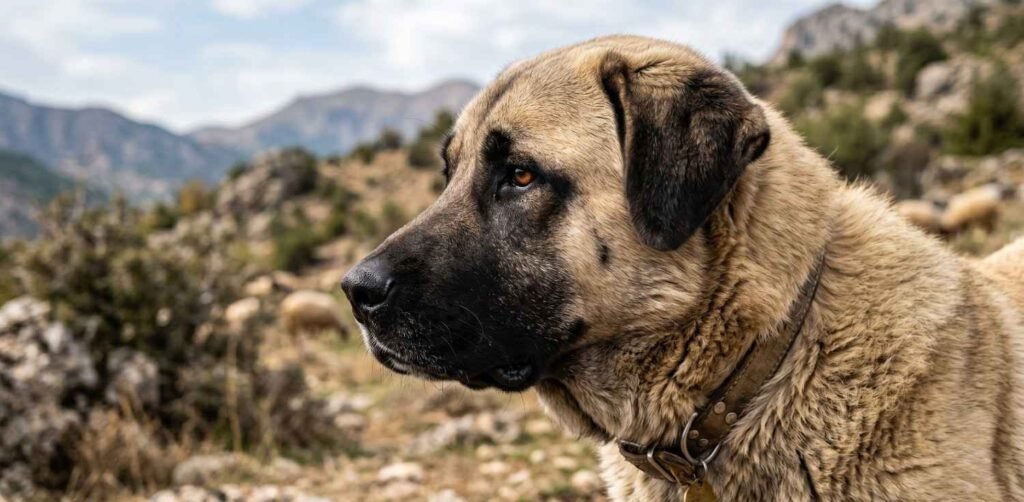
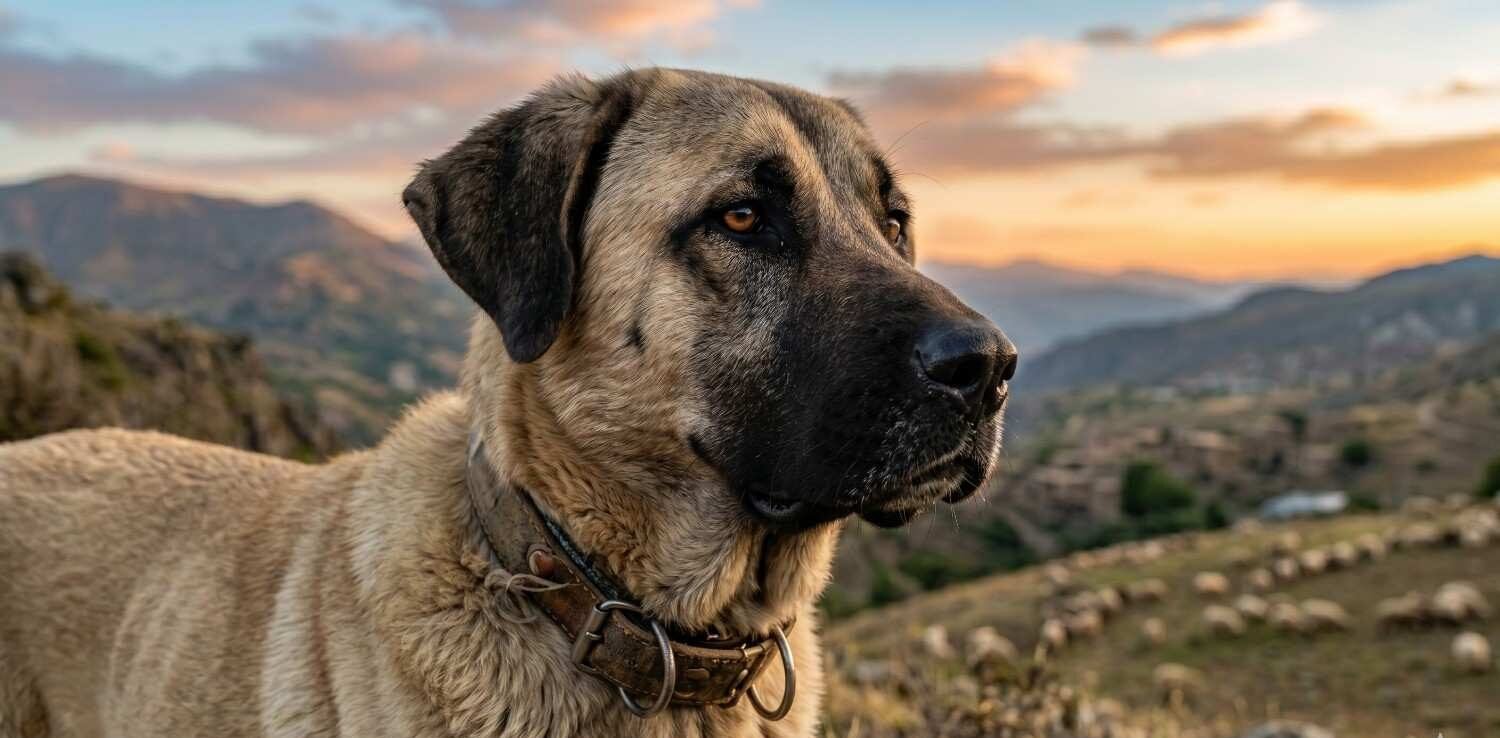
When you first see an Anatolian Shepherd, their immense stature quickly draws your attention. Fully mature males can weigh up to 150 pounds and females can weigh up to 120 pounds. They are wonderfully tall, the males reaching up to 29 inches at the shoulder. For their heavy build they are surprisingly agile and can reach impressive speeds when chasing off a threat. Their powerful bodies are built for endurance and for short bursts of power. Their double layer is thick enough to protect them from the searing summer heat and freezing winter snow. The exterior coat is very short but very weather-proof, and the undercoat is very deep. The most prevalent color variation is fawn with a black mask on the muzzle and ears. However, they can have many coat colors, including as brindle, white, and pinto. Their eyes are usually intelligent, observant and serene, black and almond-shaped.
Temperament and Personality Characteristics
Anatolian Shepherds are very devoted and faithful to their human families. They are very loving to the people they know and trust, often acting like giant lap dogs indoors. Their first inclination, though, is to guard and they are very distrustful of strangers. They are highly serious about their protective duty and will be continually patrolling their domain. If they see their “flock” (including their human relatives) threatened, they will not hesitate to act. They were bred to labor distant from their shepherds and are fiercely independent minds. They don’t wait for your permission to react to a problem. They assess hazards independently and pick the best course of action. This makes them brilliant guardians, but it can also be seen as stubbornness in normal obedience training.
These aren’t the sort of dogs who are going to just fetch a ball or do tricks at parties.
- Loyal: Attached to their immediate family. Protective A natural inclination to guard property, livestock and children. Independent – Can make decisions without input from the owner.
- Calm: Typically quiet and observant unless challenged.
- Wary: Highly distrustful of unknown people and animals.
Training a Livestock Guardian Dog
Training an Anatolian Shepherd dog is a challenge, requiring a firm, consistent and very patient approach. Due to their size and protective tendencies, early socialization is definitely non-negotiable. Young puppies need lots of exposure to people, places and other animals. This exposure helps kids distinguish between regular, daily events and actual risks. However, without adequate socialization their innate suspiciousness can easily become dangerous aggressiveness.
Traditional obedience training methods typically fail with this fiercely autonomous breed. Harsh corrections are not liked, which can break down the trust between dog and owner. Instead, the optimum approach is positive reinforcement with high-value incentives. Limit training sessions and make them really engaging so that they don’t become bored. You have to be the calm, confident leader that the dog respects.
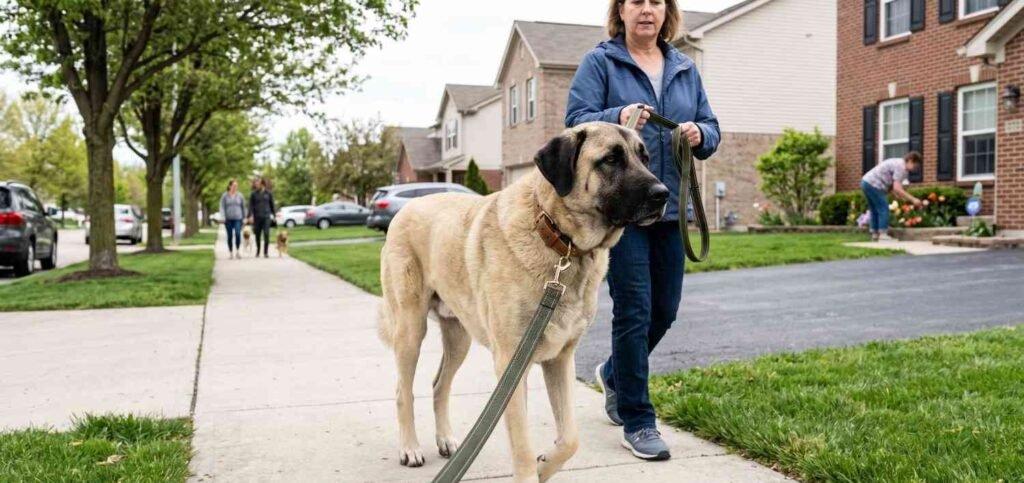
Another important part of raising a well-adjusted Anatolian Shepherd is leash training. They can easily out-muscle an adult human, thus they need to be taught to walk politely on a leash from a young age. Train them to obey simple orders such as “sit”, “stay”, “come”, and “leave it” so you remain in charge. Just remember, you are not attempting to break their protective instinct, you are just molding it. A well-trained Anatolian is a safe, loyal and very satisfying companion.
Exercise and space needs
An Anatolian Shepherd is completely unsuitable for apartment living or a constrained urban environment. They need a lot of safe gated room to roam and patrol everyday. A wide, securely gated yard or a rambling rural tract is perfect. They are moderately energetic, yet have tremendous stamina for walking the perimeter of their land. If they don’t have something to do, they might become bored and very destructive.
They certainly need daily planned exercise, but they don’t need hours of rigorous running. Alengthy brisk stroll every day is normally enough to keep them both physically and psychologically fit. This is a very clever breed and mental stimulation is just as vital as physical exercise. Give them lots of opportunity to sniff and check out their surroundings on walks. Giving them a definite territory to guard answers their most basic innate urge.
Coat Maintenance and Grooming
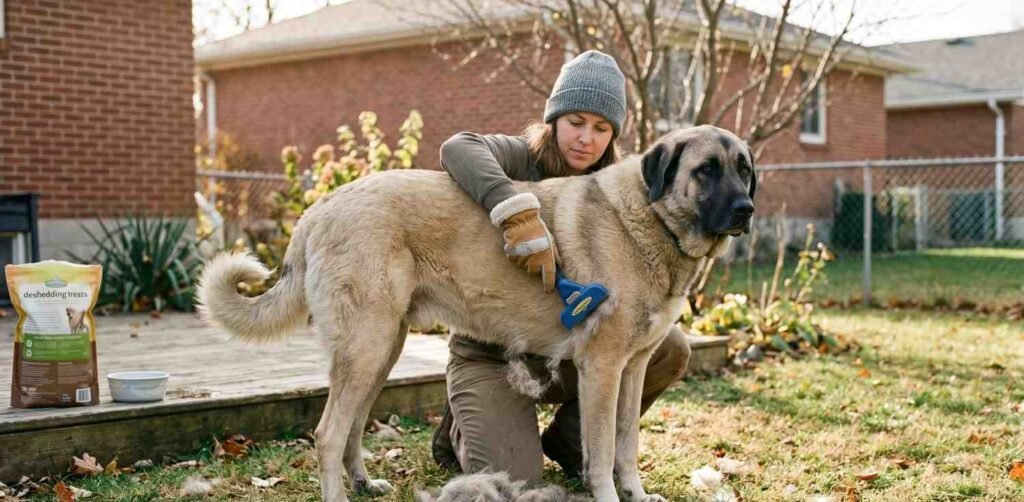
Grooming an Anatolian Shepherd is surprisingly easy, even though they have a thick double coat. They are clean dogs by nature and do not have a pronounced “doggy” smell. They normally just need a brush once or twice a week to keep their coats clear of mats and debris. But they do have two severe shedding seasons called “blowing their coat” twice a year. During these stages, it is highly advised that you brush regularly with a professional deshedding tool.
They only need a bath if they get really muddy or roll in anything nasty. Bathing too often might remove the coat of its natural weather-resistant oils. As well as looking after their coat, their ears need frequent checking and cleaning to avoid uncomfortable infections. Trim their rapidly growing nails every several weeks to prevent discomfort when walking. Lastly, develop a habit of consistent dental care such as brushing their teeth to minimize tartar buildup.
Health & Life
The Anatolian Shepherd is generally a hardy and healthy breed, especially considering its large size. They have a long life span of 11 to 13 years, which is rather long for many other huge breeds. That toughness is the result of the harsh natural selection they’ve endured in the Turkish mountains. But like any purebred dog they can be prone to a few health issues with a genetic component. Responsible breeders will always screen their breeding dogs for these recognized concerns.
Hip and elbow dysplasia are one of the most common problems in large breeds like the Anatolian. This problem happens when the joints don’t develop properly and painful arthritis results. Sometimes entropion is also noticed. This is a condition where the eyelid folds in and irritates the eye. Additionally, owners must be aware of stomach torsion, popularly known as bloat, which is a life-threatening emergency. To decrease this risk, split your meals into smaller portions and refrain from strenuous exercise for a while after eating.”
- Hip Dysplasia: A hereditary fault of the joints. Elbow Dysplasia Abnormal development of the elbow joint.
- Entropion: Inward turning of the eyelids.
- Hypothyroidism: Low activity of the thyroid gland affecting your metabolism.
- Gastric Torsion (Bloat): The stomach twists, which is harmful.
Diet and nutritional requirements
Proper feeding of a large breed dog is important to their long term health, and their joint growth. Anatolian Shepherd puppies develop exceptionally fast and require a food specifically formulated for large breed puppies. If puppies are overfed they can grow too fast and develop serious skeletal problems later in adulthood. Keep them slim and check their weight constantly during their first two years of rapid growth. Consult your veterinarian to find out the right portion size for their age and activity level.
Adult Anatolian Shepherds really consume less than you might anticipate for a dog of their gigantic size. They have a very slow metabolism, thus they are quite effective at using the calories they take in. Find a good commercial dog food with high protein or get advice from a dog nutritionist for a balanced raw diet. Always provide them with fresh and clean drinking water throughout the day. Try not to feed them too many treats from the table . Obesity may be very hard on their joints and can shorten their lives tremendously .
The Kangal Vs. The Anatolian Shepherd
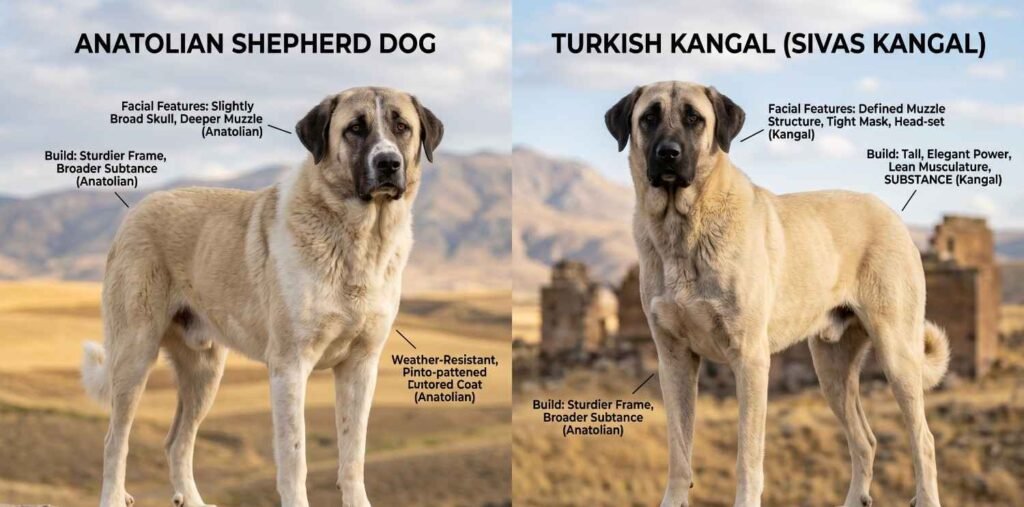
The difference between Anatolian Shepherd and Turkish Kangal is often very confusing. With very tight standard standards, the Kangal is a separate national breed in Turkey. Kangals are almost universally a uniform light fawn or sable color with a distinct black mask. In the West, the name “Anatolian Shepherd” was originally a catch-all for several Turkish LGDs. Over time, Western kennel associations recognized the Anatolian as its own independent, official breed.
While they share a similar history and defending instinct, there are subtle morphological and temperamental distinctions. The Anatolian Shepherd is usually a bit larger and more accepting of a wider array of coat colors. Sometimes Kangals are reported to be a little speedier and more uniform in look. Both dogs are outstanding livestock guardians, fearless beyond measure when it comes to predators. Both breeds will exceed expectations if you are seeking for a working farm dog.
Is This The Right Dog For You?
Bringing an Anatolian Shepherd into your life is a decision that involves deep, honest self-reflection. These canines are not for first time dog owners due to their size and strong willed temperament. They need an owner that is confident, knowledgeable and ready to devote a lot of time to early training. If you live in a heavily populated neighborhood with lots of visitors, then expect their loud booming bark to be an issue. They are most comfortable in peaceful, rural settings where they have a definite job to complete.
But with the appropriate set up they are tremendously rewarding partners. They are an essential resource for farmers and ranchers, shielding livelihoods from destructive predator assaults. For households with extensive holdings, they give unrivaled security and deeply tender compassion toward their own group. They ask for very little, only your respect and enough space and clear boundaries . Owning an Anatolian Shepherd is a serious commitment but the loyalty you recieve in return is priceless.
Summary
The Anatolian Shepherd is a beautiful combination of ancient instinct, raw strength and deep devotion.They are not a dog that fits into modern, urban pet expectations and they shouldn’t have to be. It’s in their DNA, their past as autonomous caretakers of the rough Turkish plains. Knowing they need space, socializing early and competent leadership you may build a wonderful bond. The Anatolian Shepherd will defend you and your property to the death if you respect their nature.